Starmer Can't Create a Palestinian State – Here's Why
The Symbolism and Implications of Recognizing Palestine
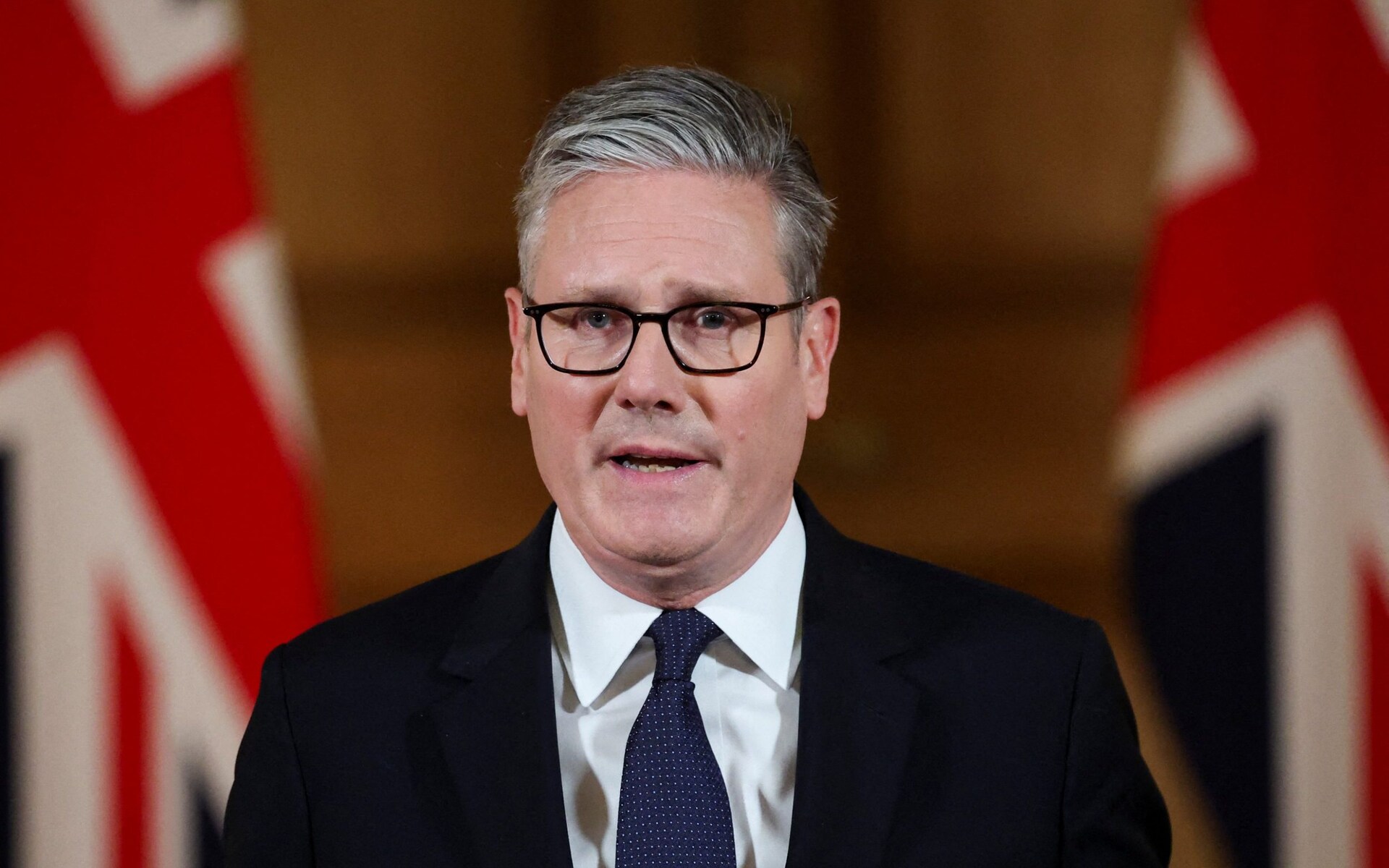
Sir Keir Starmer’s proposal to recognize Palestine, contingent on Israel ending its war in Gaza and committing to a two-state solution, carries significant symbolic weight. Britain has played a pivotal role in shaping the modern Middle East, particularly through the Balfour Declaration of 1917. This 67-word statement supported the establishment of a Jewish national home in Palestine, laying the groundwork for the creation of Israel three decades later.
Many British diplomats, Labour backbenchers, and Cabinet ministers view recognizing Palestine as a way to address historical imbalances, placing both Israel and Palestine on equal footing. They hope this move will increase international pressure on Benjamin Netanyahu, Israel’s prime minister, to halt the conflict and pursue a fair peace settlement with the Palestinians.
Unlike France, which became the first G7 country to formally recognize Palestine, Britain’s stance remains conditional. Sir Keir stated that recognition would be withheld if Israel reaches a ceasefire, pledges to abandon threats of annexing the West Bank, and commits to a long-term peace process that delivers a two-state solution. However, these conditions are unlikely to be met. Netanyahu, who has long opposed a two-state solution, is more likely to harden his position rather than concede under what he may see as British provocation. As a result, recognition appears almost inevitable.
The Limits of Recognition
Beyond symbolism, the move will have little tangible effect. Over 147 countries have already recognized Palestine without significantly altering its prospects for statehood. Recognition alone cannot create a functioning state. According to the Montevideo Convention of 1933, a state must have a permanent population, a government, defined borders, and the capacity to conduct foreign relations. Palestine meets only two of these criteria.
The country faces internal divisions, with two rival governments: the Palestinian Authority led by Mahmoud Abbas in the West Bank, which recognizes Israel, and Hamas in Gaza, which does not. Israeli officials argue that Britain, like France, is effectively rewarding Hamas by placing demands on Netanyahu but none on the group responsible for the massacre of over 1,000 people in Israel on October 7, 2023.
Concerns About Hamas and Ceasefire
Some warn that Hamas may now be less inclined to agree to a ceasefire and release the hostages it still holds in Gaza. Shany Mor, a former director for foreign policy at Israel’s National Security Council, said, “Hamas has even less incentive now to agree a ceasefire that it did a week ago.” He added, “Starmer is burying the last living Israeli hostages alive in the tunnels.”
The Challenges of Defining Borders
Another missing criterion for statehood is defined borders. While the Oslo Accords of the 1990s envisioned a Palestinian state encompassing the West Bank and Gaza with East Jerusalem as its capital, the situation has changed dramatically. Jewish settler numbers have nearly tripled to over 700,000, and new settlements fragment Palestinian cities. Gaza lies in ruins, East Jerusalem is effectively annexed, and the West Bank is divided into what critics call “Bantustans.” A viable state has never looked less likely.
Why Recognize Palestine?
Proponents argue that recognition sends two key messages. First, it signals that some of Israel’s closest allies have lost patience with Netanyahu’s war in Gaza. Bronwen Maddox, director of Chatham House, noted that these are permanent members of the UN Security Council and G7 countries that traditionally support Israel. Their recognition suggests that even Israel’s friends are drawing a line.
Second, they argue that recognition could help revive the long-dormant two-state solution. France and Saudi Arabia are co-hosting a UN conference to reinvigorate peace talks. Saudi Arabia, which previously seemed ready to normalize ties with Israel, now demands Palestinian statehood first. Britain and France had initially planned to recognize Palestine after a peace deal, but officials now hope unilateral recognition will push Netanyahu into negotiations and bolster moderate Palestinian leadership against Hamas.
Doubts About Outcomes
Despite these hopes, the outcome seems doubtful. Britain’s influence over Netanyahu is already modest and may shrink further. Israel might retaliate by expanding settlements or annexing parts of the West Bank. Relations with Washington could also suffer. Marco Rubio, the US secretary of state, called French recognition “a slap in the face to victims of Oct 7,” while Donald Trump dismissed Macron’s pledge as having no impact.
The US president is likely to view Starmer’s move similarly—perhaps as a gesture to appease Labour’s left and signal virtue, but ultimately lacking the weight that the Balfour Declaration once held when Britain wielded far greater global influence.

Post a Comment for "Starmer Can't Create a Palestinian State – Here's Why"
Post a Comment