South Korea's Shrinking Population and Military: A Growing Concern as North Korea Strengthens
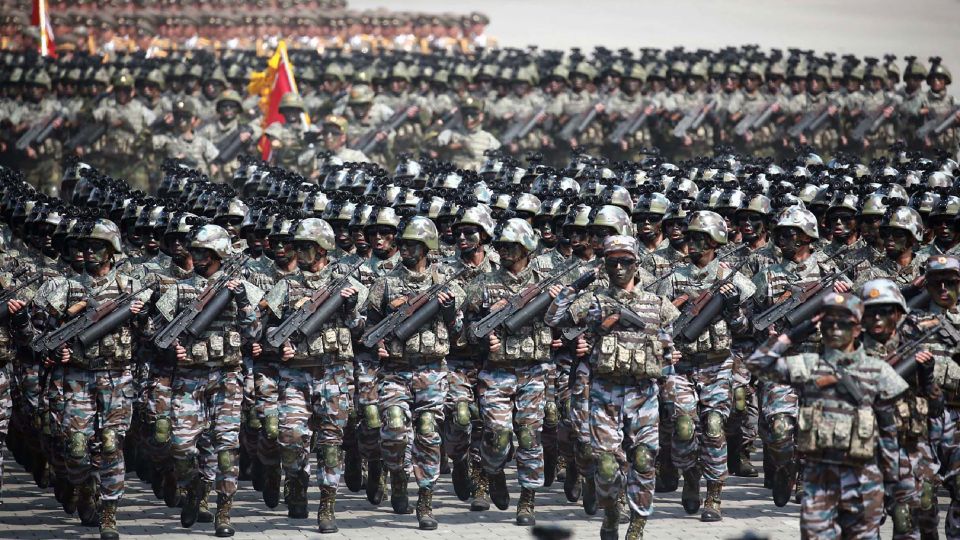
South Korea’s Military Faces a Crisis of Declining Numbers and Rising Challenges
South Korea has long been grappling with a declining birth rate, which has had significant implications for its military. Over the past decade, the country has seen a steady drop in the number of young men available for conscription, leading to a 20% reduction in active troops over the last six years. This decline is not just a numbers game; it reflects broader demographic challenges, including an aging population and a shrinking workforce. The Defense Ministry report highlighted that this trend is driven by complex factors, such as population decline and a growing reluctance among young men to join the military due to concerns about treatment.
As of July, the South Korean military had 450,000 troops, down from 563,000 in 2019. A report shared by lawmaker Choo Mi-ae warned that if this trend continues, there could be difficulties in securing elite manpower and operating advanced equipment. The situation is particularly concerning given the geopolitical tensions on the Korean Peninsula and the ongoing conflict in Europe, where North Korea has sent tens of thousands of soldiers to fight alongside Russia in Ukraine. This development raises fears that Moscow may share advanced military technology with Pyongyang, potentially violating international sanctions.
North Korea, despite having a larger military force, is also facing its own set of challenges. While it has up to 1.3 million armed forces personnel, according to the CIA World Factbook, its fertility rate has declined in recent years. The North’s population woes are compounded by economic difficulties and an authoritarian regime that struggles to attract enough citizens to serve. Kim Jong Un has urged women to have more children, highlighting the importance of population growth for the nation's future.
In contrast, South Korea has a reserve force of about 3.1 million men, which could provide a critical buffer in times of conflict. Additionally, the presence of 28,500 U.S. troops stationed in the country offers a strategic advantage. However, the South faces its own challenges in maintaining a strong military presence. Women are not conscripted in South Korea, which has led to controversy and resentment among some young men who feel they are at a disadvantage compared to their peers.
Experts suggest that conscripting more women could help address the manpower shortage, but others argue that the focus should shift toward technological advancement rather than increasing troop numbers. Choi Byung-ook, a national security professor at Sangmyung University, emphasizes the need for a "small but strong military" that leverages technology and innovation. He believes that South Korea should take this crisis as an opportunity to become a science and technology powerhouse.
Technological solutions such as drones, cyber-warfare, and AI-assisted systems could reduce reliance on traditional infantry and artillery. These tools can enhance combat readiness and make the military more efficient. However, experts caution that no amount of technology can fully replace trained soldiers. Leif-Eric Easley, a professor of international studies at Ewha Womans University, agrees that South Korea’s military will still face manpower shortages in the event of war.
Cultural attitudes toward the military remain a significant challenge. Negative perceptions, fueled by high-profile cases of hazing and bullying, have contributed to a decline in voluntary enlistment. Recent efforts to improve military welfare and offer alternative service options have not been sufficient to reverse this trend. Choi stresses the need for comprehensive reforms to improve morale and support for the current military structure.
Looking ahead, South Korea must address the growing demographic challenges that threaten its military strength. By 2040s, even maintaining 350,000 troops could prove difficult. Establishing an optimized manpower structure system is crucial to ensuring the country’s security in the face of evolving threats. As the nation navigates these challenges, it must balance traditional military values with the need for innovation and adaptability.

Post a Comment for "South Korea's Shrinking Population and Military: A Growing Concern as North Korea Strengthens"
Post a Comment