South Korea and U.S. Forces Conduct Major Drills to Counter North Korean Threats
U.S. and South Korea to Conduct Major Military Exercise Amid Rising Tensions
South Korea and the United States are set to conduct their annual large-scale military exercise this month, aimed at enhancing readiness against potential threats from North Korea. This move is expected to heighten tensions with Pyongyang, especially as diplomatic efforts remain stalled.
The joint exercise, known as Ulchi Freedom Shield, is one of two major drills held each year in South Korea. The other occurs in March. Typically, these exercises involve thousands of troops participating in computer-simulated command post training and combined field exercises. This year’s event, scheduled from August 18 to 28, may provoke a strong reaction from North Korea, which views such drills as rehearsals for invasion. In response, North Korea often escalates its military activities and weapons tests, particularly targeting its nuclear program.
North Korea has been actively pursuing its nuclear ambitions and has repeatedly refused to engage in dialogue with Washington and Seoul. The last round of negotiations collapsed in 2019, and since then, North Korea has shifted its focus toward strengthening ties with Russia. The country has sent thousands of troops and significant military equipment to support Moscow’s war in Ukraine.
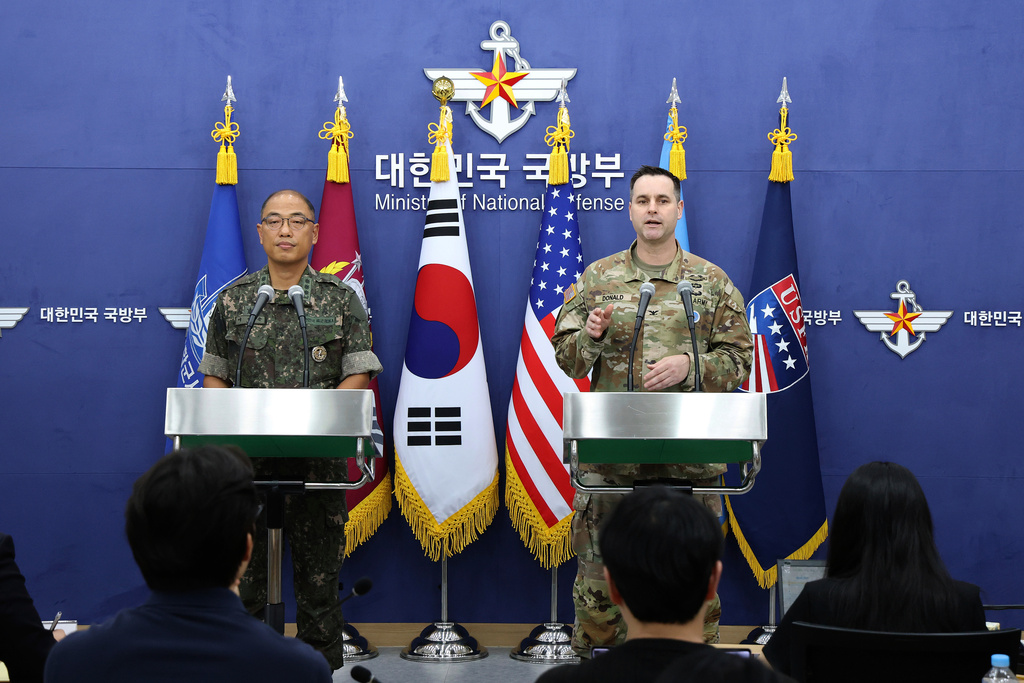
This year’s Ulchi Freedom Shield will see approximately 18,000 South Korean troops participate, according to Col. Lee Sung Joon, a spokesperson for South Korea’s Joint Chiefs of Staff. While the number of U.S. troops involved remains undisclosed, both South Korean and U.S. officials have emphasized that the scale of the exercise is similar to previous years. However, some of the originally planned 40 field training programs have been postponed to September due to concerns over the heat.
A primary focus of the exercise will be the threat posed by North Korea’s advancing nuclear and missile programs. Training will include measures to deter the use of nuclear weapons and respond to missile attacks. Additionally, the exercise will incorporate lessons learned from recent conflicts, such as Russia’s war in Ukraine and the clashes between Israel and Iran. It will also address emerging threats like drones, GPS jamming, and cyberattacks.
“We look across the globe at the challenges we may face on the battlefield and incorporate that so we can challenge the participants in the exercise,” said Col. Ryan Donald, a U.S. Forces Korea public affairs director. He added that the alliance must remain sustainable and capable of deterring aggression from North Korea while addressing broader regional security challenges.
The announcement of the exercise comes shortly after Kim Yo Jong, the powerful sister of North Korean leader Kim Jong Un, rejected overtures from South Korea’s new liberal government. She criticized Seoul’s “blind trust” in its alliance with the United States and its hostility toward Pyongyang, suggesting that the current administration is no different from its hard-line conservative predecessor. Kim Yo Jong also dismissed the Trump administration’s interest in resuming diplomacy on North Korea’s denuclearization, indicating that Pyongyang sees little urgency in restarting talks with either Seoul or Washington.
Meanwhile, South Korea faces concerns about how the U.S.-South Korea alliance might evolve under a potential second term of President Donald Trump. Trump has previously called for South Korea to pay more for the 28,500 American troops stationed there. Recent statements by key Trump administration officials, including Undersecretary of Defense Elbridge Colby, have hinted at a desire to restructure the alliance. Some experts suggest this could lead to a shift in the roles of U.S. forces, with South Korea taking a greater role in countering North Korean threats while U.S. forces focus more on China.
Despite these concerns, South Korean officials have downplayed the possibility of significant changes to the U.S. military presence in the country. During a recent interview with the Washington Post, South Korea’s foreign minister, Cho Hyun, stated that there is no concern about the U.S. forces in Korea and that their role will remain unchanged.
As tensions continue to rise, the future of the U.S.-South Korea alliance remains a critical topic of discussion. A summit between Trump and South Korean President Lee Jae Myung is expected this month, and it may provide further insights into the direction of the relationship.

Post a Comment for "South Korea and U.S. Forces Conduct Major Drills to Counter North Korean Threats"
Post a Comment