Sora 2 Debuts, But Can It Outshine Google's Veo 3?
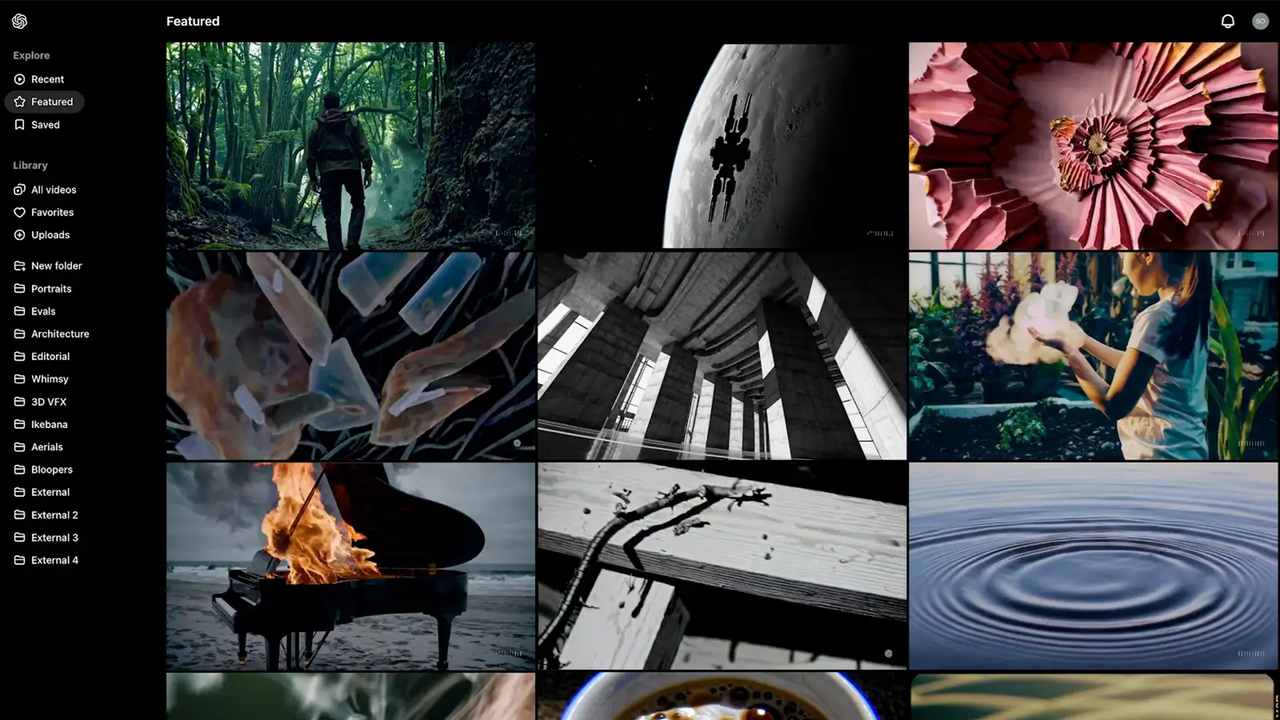
The Next Big Thing in AI Video: Sora 2 vs. Veo 3
OpenAI is reportedly preparing to launch its next-generation AI video model, Sora 2, which is expected to be a significant step forward from the original Sora. While no official announcement has been made, clues have been found in OpenAI’s servers that suggest the company is working on this new version. This development comes as OpenAI faces increasing competition from Google’s Veo 3, a model that already offers features not present in the current Sora.
The race between these two models isn’t just about generating high-quality visuals. It's also about sound and the overall experience of creating content based on user prompts. When Sora was first introduced, it impressed many with its ability to generate detailed images, but the videos it produced were silent. In contrast, Veo 3 demonstrated short clips with synchronized audio, including speech, environmental sounds, and background music. This added layer of realism gives Veo 3 a unique advantage over Sora.
To stand out from Veo 3, Sora 2 will need to integrate realistic audio elements such as voices, sound effects, and ambient noise. One of the biggest challenges in AI video generation is ensuring that audio matches the visual content, especially when it comes to lip-syncing. Most models can show a character speaking, but making it look like the words are actually coming from that character is a complex task.
While Veo 3 isn't perfect in this regard, there are examples where the audio and visual elements align surprisingly well. The model can create videos that feel authentic, such as scenes of cats jumping off high dives into a pool. However, the maximum length of eight seconds per video limits the scope for both success and failure. Before considering longer durations, fidelity to the scene is essential.
If Sora 2 can extend its video length to 30 seconds or more while maintaining high quality, it could attract users looking for more flexibility in creating AI-generated videos. The ability to produce longer, high-quality clips would make Sora 2 a more appealing option for creators and developers.
Sora 2's Movie Mission
Currently, Sora can generate up to 20 seconds of high-quality video, and it is integrated into ChatGPT, allowing users to incorporate it into larger projects. This flexibility is a key advantage for Sora, but the absence of audio remains a notable drawback. To compete directly with Veo 3, Sora 2 must not only add audio capabilities but also ensure that it integrates seamlessly with the visuals.
However, there are potential challenges with adding audio. As AI video models become more advanced, concerns about their ability to blur the line between reality and fiction increase. Both Sora and Veo 3 already restrict prompts involving real people, violence, or copyrighted content. Adding audio introduces a new level of scrutiny regarding the origin and use of realistic voices.
Another important factor is pricing. Google’s Veo 3 is available through the Gemini Advanced paywall, requiring a subscription to the $250-a-month AI Ultra tier for full access. OpenAI might bundle Sora 2 into the ChatGPT Plus and Pro tiers, similar to how Google handles Veo 3. However, if OpenAI offers more value in the cheaper tier, it could quickly expand its user base.
For the average user, the choice of an AI video tool often depends on price, ease of use, and the quality of the output. Sora 2 has a lot to prove if it wants to be more than a fleeting presence in the AI video landscape. But with the upcoming release, it's clear that OpenAI is determined to make a strong showing in this competitive space.
Other Developments in AI Video
In addition to the Sora 2 and Veo 3 competition, other companies are also making waves in the AI video space. Midjourney recently launched its first AI video model, which could pose a threat to both Sora and Veo 3. Meanwhile, Google has improved its AI video generation capabilities, allowing users to create content faster than ever before.
As the AI video market continues to evolve, it's clear that the race for innovation is far from over. With each new release, the technology becomes more sophisticated, raising questions about its impact on creativity, authenticity, and ethics. Whether Sora 2 can rise to meet these challenges remains to be seen.

Post a Comment for "Sora 2 Debuts, But Can It Outshine Google's Veo 3?"
Post a Comment