Socialism Falls in Bolivia After Two Decades
A New Era for Bolivia
Bolivia has witnessed a significant shift in its political landscape, marking the end of an era where the leftist movement led by former president Evo Morales dominated for over two decades. Preliminary election results revealed that voters have opted for a centrist and a right-wing candidate to compete in a presidential runoff election, signaling potential transformative changes for this South American nation.
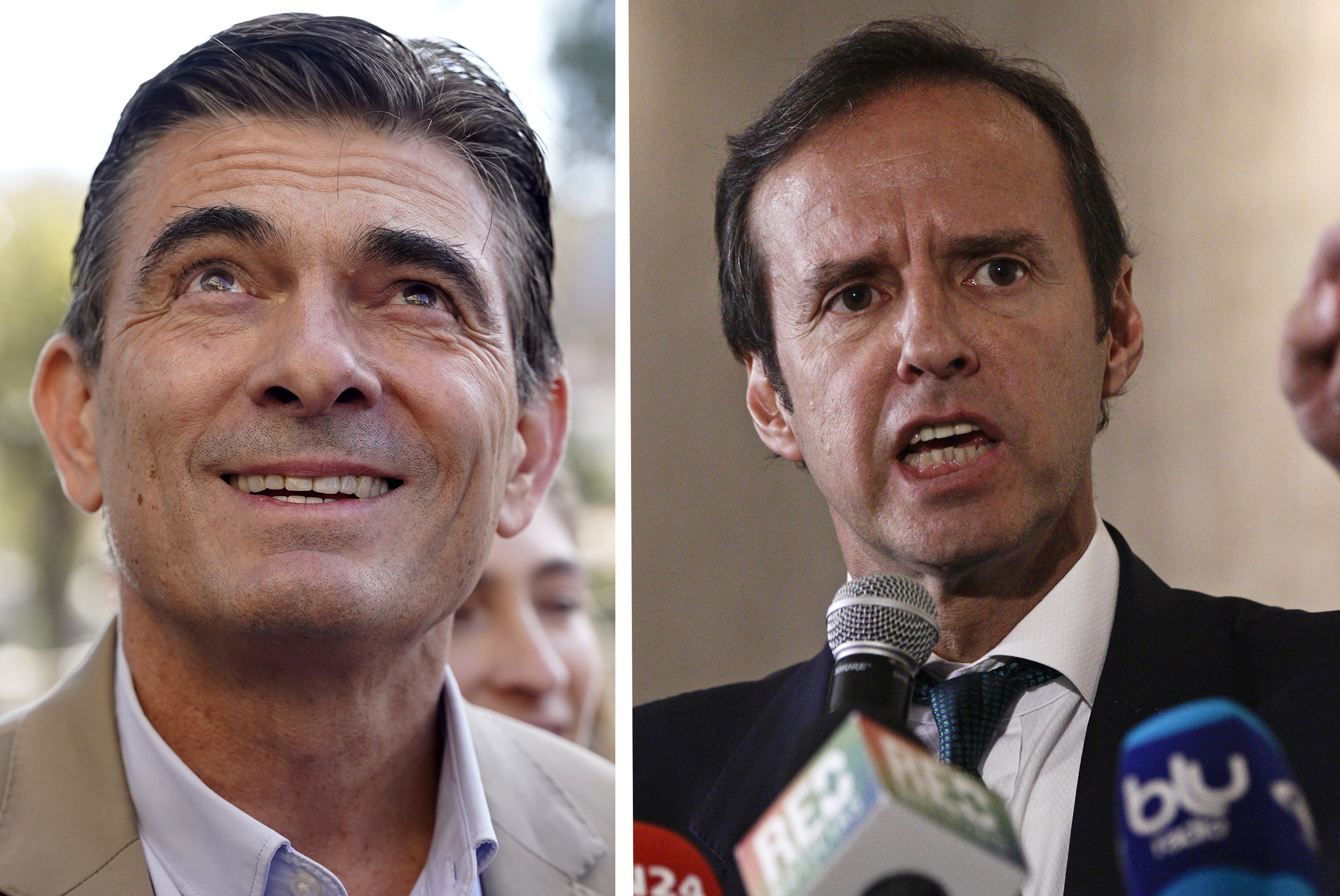
In the first round of voting, centrist senator Rodrigo Paz and right-wing former president Jorge “Tuto” Quiroga emerged as the top contenders. An unofficial early count indicated that they had secured a strong lead in the competitive race. This outcome represents a departure from the long-standing influence of Morales’s Movement Toward Socialism (MAS) party, which has shaped Bolivian politics since his 2005 election.
The country is currently facing its worst economic crisis in 40 years, with widespread dissatisfaction among the population. Voters are seeking change, driven by economic instability, inflation, and shortages of essential goods. The initial polls had predicted a second-round contest between two right-wing candidates, but the unexpected surge in support for Paz introduced a new dynamic to the election.
Paz, who gained traction by offering an alternative path, was supported by his running mate, Edman Lara, a young and charismatic former police captain known for his viral denunciation of police corruption. Their campaign resonated with many voters, particularly those disillusioned with the current political system.
After the results were announced, Paz expressed his commitment to combating corruption and reforming the economy to ensure it benefits the people rather than the state. He emphasized that this election marks the beginning of a significant transformation for Bolivia, calling for a reevaluation of the political system itself.
Samuel Doria Medina, who came in third, conceded and pledged support for Paz in the second round. Meanwhile, two leftist candidates ranked fourth and sixth, highlighting the shifting tides in Bolivian politics.
Political analyst Maria Teresa Zegada noted that this election reflects a protest vote against the MAS party. Paz's campaign offered an antiestablishment option outside traditional parties, providing a fresh perspective that many voters welcomed.
Morales’s tenure, once celebrated as a socialist success story, saw millions lifted out of poverty and into the middle class. However, his government's reliance on global commodities, particularly natural gas, left the country vulnerable when prices plummeted. This economic downturn led to fuel shortages, soaring inflation, and widespread hardship.
As Bolivians grapple with these challenges, the MAS party has experienced internal divisions. Former allies, such as Luis Arce and Morales, have become political adversaries, each blaming the other for the country’s struggles. Arce, whose popularity has waned, chose not to run for reelection, further complicating the political landscape.
Morales, now in exile, has urged voters to reject the elections by nullifying their ballots. His supporters, armed and protective, have created a tense environment in the coca-growing Chapare region, where he resides. This situation raises concerns about potential violence and instability.
The defeat of the left could signal a shift in Bolivia’s relationship with the United States, which has historically been strained under Morales’s leadership. Both leading candidates in the runoff have studied at U.S. universities, suggesting a possible alignment with more market-oriented policies.
Rodrigo Paz, the son of former president Jaime Paz Zamora, brings a blend of experience and fresh ideas to the table. His proposals include tax incentives and market-driven fuel prices, alongside a single-term presidency. These policies resonate with many voters seeking a new direction.
Santiago Anria, a political scientist at Cornell University, notes that Paz may represent a new kind of politics, drawing on his father’s legacy but presenting it through a younger generation. His focus on the working class and informal sector, along with the slogan “capitalism for all,” has garnered support, particularly from evangelical communities.
Quiroga, the former president, aims to stabilize the economy by negotiating financing from international institutions and privatizing unprofitable state companies. He emphasizes the need for a transition from a centralized state to one that promotes individual property rights and free trade.
Voters like Janeth Alvarez and Paolo Monroy reflect the broader sentiment of frustration with the left’s governance. They see the need for radical change, driven by economic hardship and a desire for a more responsive and effective government.
This election marks a pivotal moment for Bolivia, as the nation stands at a crossroads, poised for significant transformation in the coming years.

Post a Comment for "Socialism Falls in Bolivia After Two Decades"
Post a Comment