Sky Harbor Cancellations Rise as Workers Resist Canadian Airline
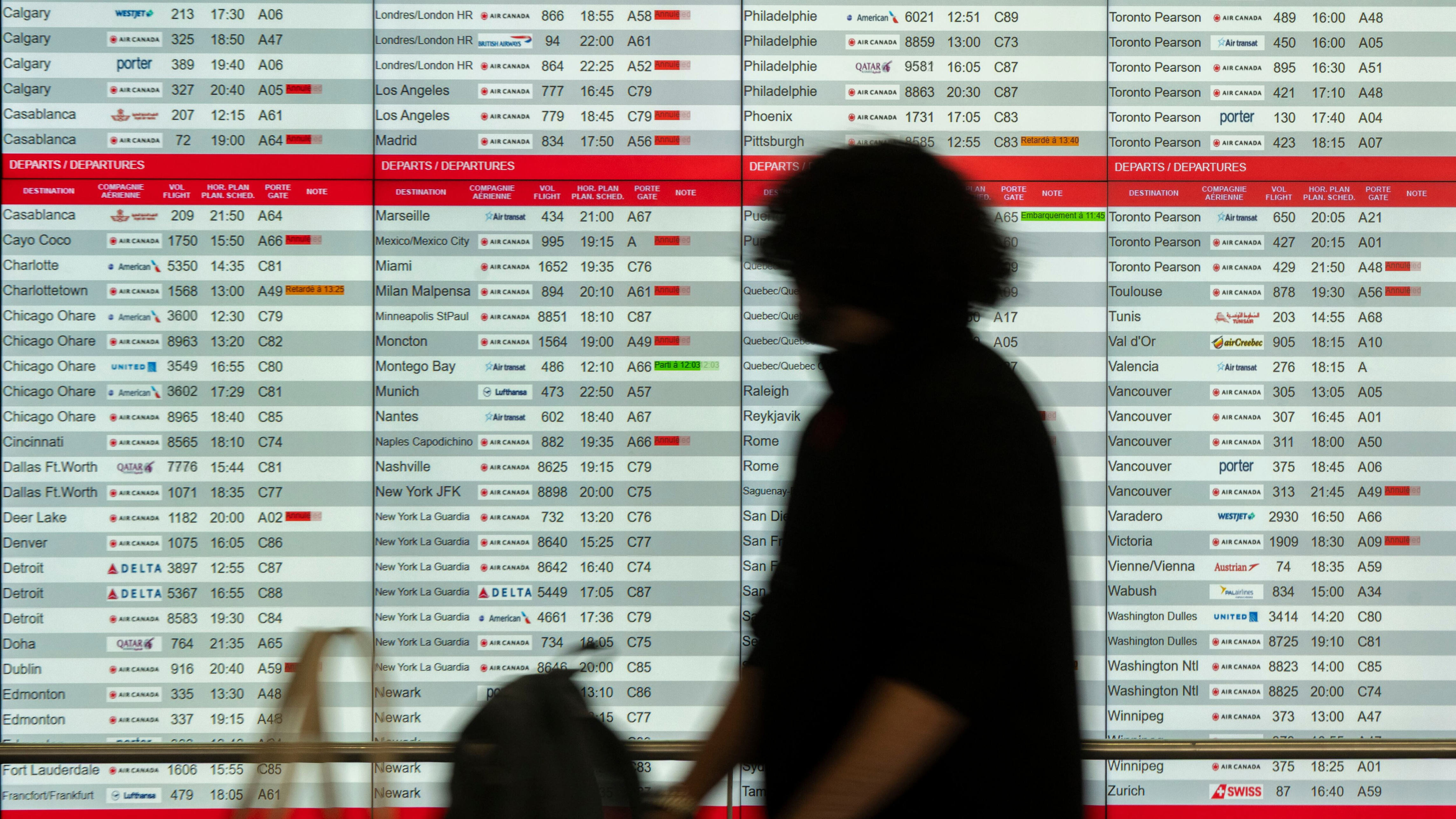
Air Canada Strike Disrupts Travel During Peak Summer Season
Air Canada has suspended its operations after over 10,000 flight attendants went on strike early Saturday. This unexpected development has left thousands of travelers stranded and scrambling to adjust their plans during the busy summer travel season. The strike began after a deadline for reaching a new contract deal passed without an agreement.
At Phoenix Sky Harbor International Airport, several flights have been affected. As of 3 p.m. Sunday, three arrivals and three departures were canceled. Travelers are advised to check for the latest updates on flight status through official airline channels.
The Canadian Union of Public Employees (CUPE) confirmed that the strike started when no deal was reached with Air Canada. The airline stated that it halted all operations as a result of the walkout. The dispute between the airline and the union centers around a contract negotiation that has been ongoing for months.
Escalation of the Contract Dispute
The conflict escalated on Friday when the union rejected Air Canada’s request to enter into government-directed arbitration. This process would eliminate the union's right to strike and allow a third-party mediator to decide the terms of a new contract. The union argued that this move would undermine their ability to negotiate fairly.
In response to the strike, the Canada Industrial Relations Board (CIRB) ordered airline staff back to work by 2 p.m. on Sunday. However, Air Canada later announced that it would resume flights on Monday evening. The airline claimed that the union “illegally directed its flight attendant members to defy a direction from the CIRB.”
Mark Hancock, national president of CUPE, stated that the union would not return to work. He publicly ripped up a copy of the back-to-work order outside Toronto’s Pearson International Airport, emphasizing the union’s stance. Flight attendants chanted slogans like “Don’t blame me, blame AC” while picketing.
Government Involvement and Ongoing Tensions
Federal Jobs Minister Patty Hajdu expressed concern over the situation, stating that the government is monitoring the issue closely. She emphasized that the CIRB is an independent tribunal and that the government is not anti-union. However, she also noted that the current circumstances pose risks to the economy, especially given the recent U.S. tariffs on Canadian goods.
Hajdu referred the work stoppage to the CIRB, which has extended the term of the existing collective agreement until a new one is determined by an arbitrator. The strike has impacted approximately 130,000 people daily, with Air Canada operating around 700 flights per day.
Impact on Travelers and Financial Strain
Travelers have faced significant disruptions. Mel Durston, a tourist from southern England, found herself unable to continue her journey to the Rockies due to flight cancellations. James Hart and Zahara Virani, who were visiting Toronto from Calgary, had to pay $2,600 Canadian to rebook their trip with another airline.
Despite the inconvenience, some travelers expressed understanding of the flight attendants’ concerns. Virani said, “What they’re asking for is not unreasonable whatsoever.”
Long-Term Implications and Future Steps
The strike began around 1 a.m. EDT on Saturday, with Air Canada starting to lock flight attendants out of airports. The dispute has highlighted the challenges of labor negotiations in the aviation industry, especially during peak travel times.
Last year, the government forced two major railroads into arbitration during a similar work stoppage. The rail workers' union is currently challenging the decision, arguing that it removes the union's leverage in negotiations.
Air Canada has offered refunds and alternative travel options for affected passengers. However, the airline warned that immediate rebooking may not be possible due to high demand during the summer travel season.
Ongoing Negotiations and Uncertainty
Both Air Canada and CUPE have been in contract talks for about eight months, but they remain far apart on key issues such as pay and the unpaid work flight attendants perform when planes are not in the air. Air Canada’s latest offer included a 38% increase in total compensation over four years, which it claimed would make flight attendants the best compensated in Canada. However, the union criticized the proposed 8% raise in the first year as insufficient given inflation.
As the situation unfolds, both parties continue to face pressure from travelers, unions, and the government. The outcome of these negotiations will likely have lasting effects on the airline industry and labor relations in Canada.

Post a Comment for "Sky Harbor Cancellations Rise as Workers Resist Canadian Airline"
Post a Comment