Signs of Dental Disease in Cats
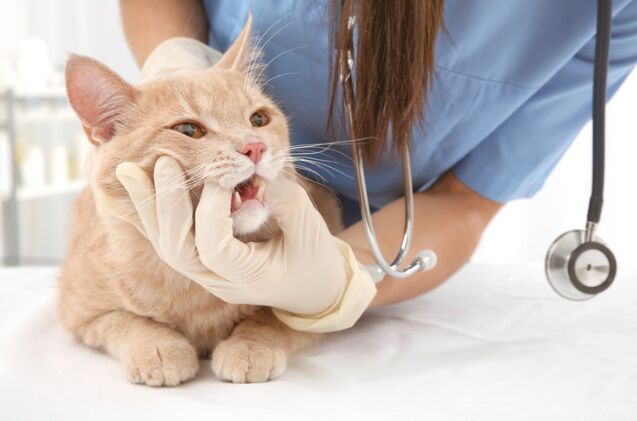
Understanding Feline Dental Disease
Cats are known for their graceful and independent nature, but they also have a tendency to hide their discomfort. This is especially true when it comes to dental issues. Feline dental disease is a common yet often overlooked problem that affects a significant number of cats, particularly those over the age of four. It's estimated that between 50 and 90% of older cats suffer from some form of dental disease. The challenge lies in the fact that cats are experts at masking pain, making it difficult for owners to recognize the early signs.
Dental disease begins with the accumulation of bacteria in the mouth, which mixes with food particles and saliva to form plaque. Over time, this plaque hardens into tartar, creating an environment where more bacteria can thrive. If left untreated, this process can lead to various conditions, including gingivitis, periodontal disease, tooth resorption, stomatitis, and even fractured teeth.
Recognizing the Signs of Dental Issues
One of the most challenging aspects of feline dental disease is that it often goes unnoticed until it becomes severe. Cats are natural survivors and tend to hide their pain, making it essential for owners to be vigilant. Here are some key signs to watch for:
- Changes in Eating Habits: Your cat may start eating more slowly, dropping food, or tilting their head while chewing. They might also show a preference for soft foods over dry kibble.
- Grooming Changes: Pain from dental issues can make grooming uncomfortable. You may notice matted fur, an unkempt coat, or food residue around the mouth.
- Behavioral Shifts: A previously social cat may become reclusive or avoid interaction. Sudden aversion to touch, especially around the face or mouth, can indicate discomfort.
- Excessive Drooling: While some drooling is normal, persistent or discolored drooling, especially with blood, is a red flag.
- Mouth Pawing: Cats may paw at their mouths or rub their faces on surfaces to relieve discomfort.
Visible Clues in Your Cat’s Mouth
If your cat allows you to examine their mouth, look for these signs:
- Bad Breath: An unusually strong or foul odor is often a sign of dental disease.
- Red or Swollen Gums: Healthy gums are pale pink. Redness, swelling, or bleeding could indicate inflammation.
- Tartar Buildup: Yellow, brown, or green discoloration on the teeth suggests hardened plaque.
- Missing or Broken Teeth: Look for gaps where teeth should be or signs of fractures.
- Ulcers or Lesions: Sores, red spots, or abnormal growths in the mouth are concerning and require veterinary attention.
When to See the Vet
If you notice any of these signs, it's important to schedule a vet visit as soon as possible. Advanced dental issues, such as periodontal disease or tooth resorption, often occur below the gum line and may not be visible during a basic exam. A professional cleaning under anesthesia is typically necessary to fully assess and treat the problem.
Certain symptoms warrant immediate attention, including sudden refusal to eat, excessive drooling with blood, facial swelling, or obvious pain when opening the mouth. Trust your instincts—if something doesn't seem right, it's better to seek veterinary care promptly.
Preventing Dental Disease
Prevention is key to maintaining your cat's oral health. Here are some effective strategies:
- Daily Toothbrushing: Use a feline-specific toothpaste and a soft brush or finger brush to clean your cat's teeth regularly.
- Dental Diets and Treats: Choose foods and treats approved by the Veterinary Oral Health Council (VOHC) to help reduce plaque and tartar.
- Water Additives: These can help reduce bacteria in the mouth, though they are less effective than brushing.
- Regular Vet Checkups: Annual wellness exams allow your vet to monitor your cat's dental health and recommend timely cleanings.
By staying proactive and attentive, you can significantly reduce the risk of dental disease in your cat. Early detection and consistent care are essential to ensuring your feline companion lives a healthy, comfortable life.

Post a Comment for "Signs of Dental Disease in Cats"
Post a Comment