Signal Boost Reveals Hundreds of Hidden Protein Partners
Understanding the Complexity of Blood Proteins
The human blood contains more than a thousand different glycoproteins, each with varying concentrations. Remarkably, the top 10 most abundant glycoproteins make up about 90% of the total mass in the blood. This wide variation in protein levels is known as dynamic range, which poses a significant challenge for scientists trying to detect less common proteins and their corresponding receptors.
Scientists at Sanford Burnham Prebys and colleagues at Scripps Research Institute have made a breakthrough in identifying less-abundant proteins that interact with a specific type of receptor called an endocytic lectin. Their research, published in Nature Communications, highlights a strategy that enables the identification of these proteins, shedding light on the roles they play in health and disease.
A New Approach to Protein Identification
To address the challenge of detecting rare proteins, the researchers used a well-known mannose-binding lectin called Concanavalin A (ConA). This protein was chosen because it shares similar binding properties with Mrc1, a receptor involved in the clearance of mannosylated proteins from the bloodstream. However, unlike Mrc1, ConA is readily available as an active recombinant protein, making it a useful tool for enrichment experiments.
The team isolated proteins that bind to ConA from the plasma of normal mice and mice lacking Mrc1. By comparing these samples, they were able to identify a greater number of ligands for Mrc1, revealing its critical role in maintaining healthy protein levels in the blood.
The Role of Mrc1 in Protein Regulation
Mrc1, also known as CD206 or MMR, plays a key role in regulating the concentration of various blood plasma proteins. It does this by binding to proteins that have been modified with mannose, a process known as mannosylation. Once bound, Mrc1 initiates an endocytic clearance mechanism that limits the half-life and abundance of these proteins in the bloodstream.
When the researchers compared the blood of normal mice with those lacking Mrc1, they found that 244 mannosylated proteins accumulated to double or more the levels seen in normal mice. This suggests that Mrc1 is essential for keeping these proteins within a healthy range.
Insights into Health and Disease
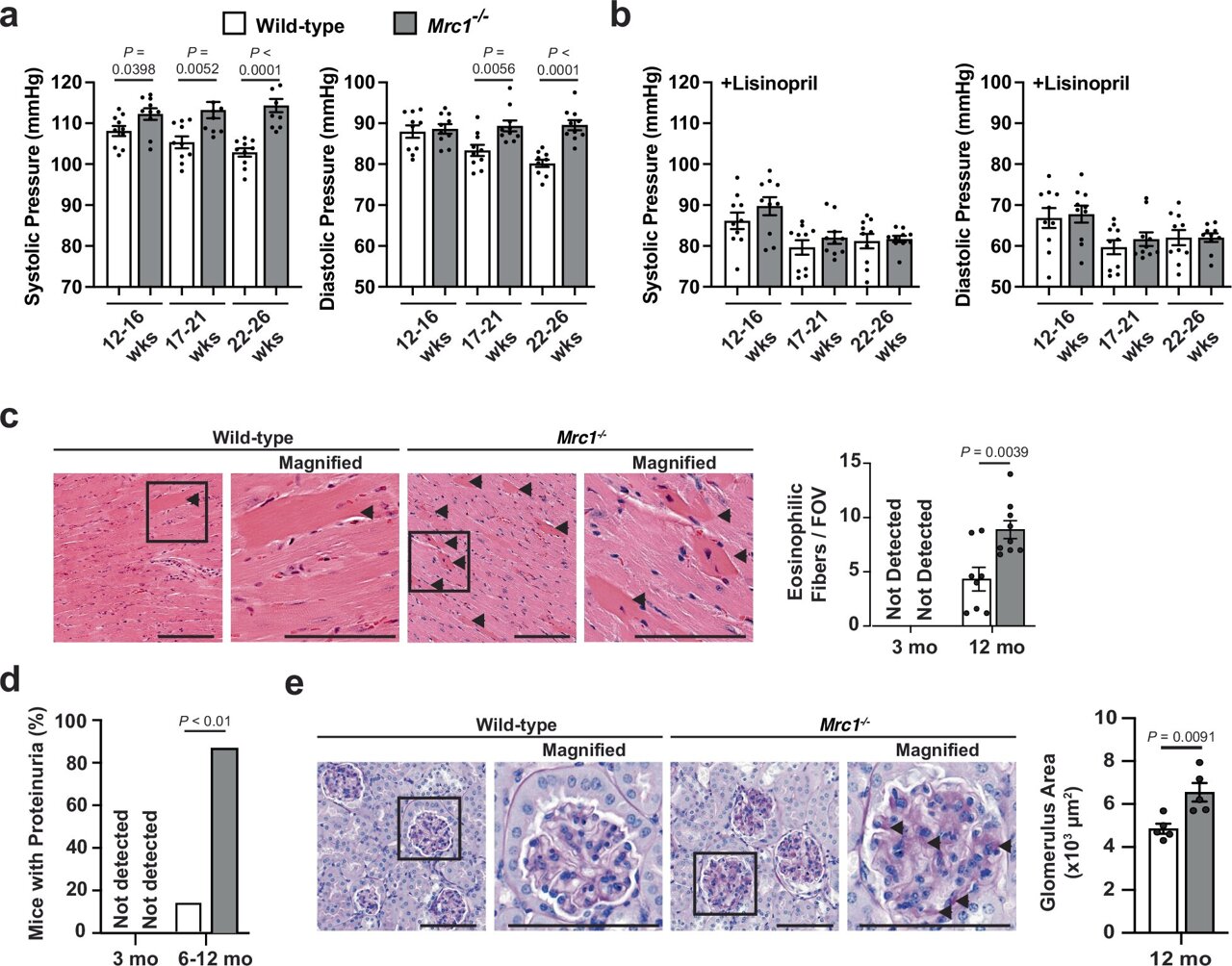
The team then analyzed the functions of the newly identified ligands using bioinformatics tools. They discovered that many of these proteins are involved in critical physiological processes, such as blood pressure regulation and inflammation control. For example, renin and angiotensin-converting enzymes are major regulators of blood pressure, highlighting the importance of Mrc1 in maintaining cardiovascular health.
The researchers further investigated eight of these proteins, focusing on their roles in blood pressure, inflammation, organ function, and sepsis. They observed that the absence of Mrc1 led to disruptions in normal physiological functions, with some effects correlating with chronological age. In particular, mice lacking Mrc1 showed increased mortality when exposed to sepsis.
Implications for Human Health
When the team examined blood samples from human sepsis patients, they found differences in the accumulation of mannosylated proteins compared to Mrc1-deficient mice. However, they also observed that half of the pathways activated in human sepsis were similarly affected by Mrc1 dysfunction. This suggests that Mrc1 may play a broader role in human health than previously understood.
Understanding how glycosidic linkages influence the abundance and activity of blood glycoproteins is crucial for deciphering the complex interactions between protein glycosylation and disease. By uncovering these relationships, scientists can develop new strategies for detecting abnormalities and improving therapeutic interventions.
Future Directions
The findings from this study open up new avenues for research into the role of Mrc1 and other endocytic lectins in health and disease. As scientists continue to explore the implications of these discoveries, they may uncover novel targets for treating conditions such as sepsis, inflammation, and age-related organ dysfunction.
This work underscores the importance of studying the intricate balance of proteins in the blood and how small changes in this balance can have significant consequences for overall health. With further research, the insights gained from this study could lead to better diagnostic tools and more effective treatments for a wide range of diseases.

Post a Comment for "Signal Boost Reveals Hundreds of Hidden Protein Partners"
Post a Comment