Sierra Valley Ranchers Battle Rising Wolf Threat
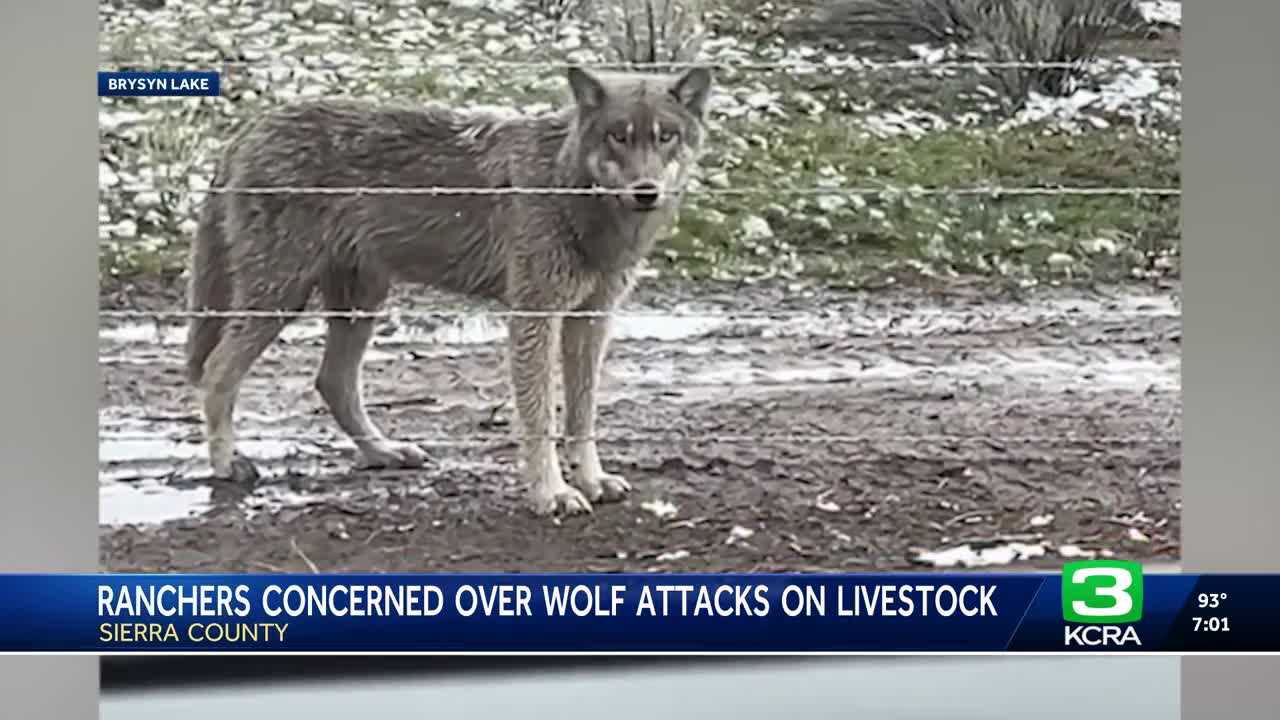
The Struggle Between Ranchers and Gray Wolves in Sierra Valley
For over a century, agriculture and cattle ranching have been the backbone of the Sierra Valley. However, this once-thriving industry is now under threat from an unexpected source: gray wolves. These predators, which were once extinct in California, have made a comeback as part of a federally and state-protected endangered species recovery effort. Today, there are 10 confirmed wolf packs across the state, and their recent arrival in Sierra County has caused significant concern among local ranchers.
“This is unprecedented,” said Sierra County Supervisor Paul Roen, who is also a rancher. “I don’t think anybody’s seen the losses that we’ve seen here anywhere in the nation.” Roen has personally lost 16 livestock to wolf attacks, and he estimates that the valley has experienced over 50 documented probable or confirmed losses this spring.
Most attacks target calves, but not all result in consumption. Some cows are left injured, forcing ranchers to make the painful decision to end their suffering. The emotional and financial toll on these families is immense, and frustration is growing as the situation worsens.
Legal Challenges and Limited Options
Ranchers face a difficult dilemma. Unlike with other predators such as bears, mountain lions, or coyotes, they cannot take action against wolves due to their protected status. “If you have a bear or a mountain lion or trouble with coyotes, you can take care of the animal and save your livestock; that’s not the case here. No, they’re protected,” explained Lorenzo Larrucea, foreman at Sierra Valley Ranch. “We’re not allowed to even chase them or anything.”
Harming or killing a wolf, even if it is attacking livestock, is illegal and can result in steep fines or jail time. This lack of action has led to wolves becoming more emboldened, as they no longer fear humans.
In response to the growing problem, a strike team has been deployed for the first time in the state to help investigate wolf attacks. California Fish and Wildlife says this team is working to manage the situation and provide support to ranchers. However, many believe the initiative is not enough.
“I think it’s probably saved a couple cows’ lives, but for the couple million dollars they’re going to spend, I don’t really think it’s a worthwhile endeavor,” said Larrucea.
Research and Deterrence Efforts
Libby Ehlers, a senior scientist with California Fish and Wildlife, said the strike team provides round-the-clock support while continuing research on wolf behavior. “It is really tough and frustrating,” she said. “I don’t think anybody really wants wild animals killing livestock, and so we’re trying to understand where these animals are going, how are they moving, how many do we have in the state.”
The team is focused on deterring wolves from entering ranch properties. One method used is “hazing,” which involves direct interaction to give wolves a negative response to people. “Wolves do respond positively to that. It can be very tricky, though, because they are smart,” Ehlers explained. “They’re curious in a place where they’re not heavily hunted, they’ll come closer to check things out.”
While the strike team marks progress, many ranchers say it’s not enough and are calling for stronger action and faster results as the wolves continue to threaten their way of life.
Calls for Action and Compensation Programs
Some ranchers are pushing for more aggressive measures. “They’re going to do what they’re born to do, and we’re going to suffer that. And I’m not saying kill them. I’m saying remove them. I don’t care what you do with them, but put them in a zoo, take them to Alaska, take them somewhere where they belong,” said Roen.
In the meantime, the Department of Fish and Wildlife offers a Wolf Livestock Compensation program for those facing direct losses due to wolves. While this helps offset some of the financial burden, it does little to address the ongoing conflict between ranchers and wolves.
As the situation continues to unfold, the challenge remains: how to protect both wildlife and the livelihoods of those who depend on the land. For now, the balance remains delicate, and the future of Sierra Valley’s ranching community hangs in the balance.

Post a Comment for "Sierra Valley Ranchers Battle Rising Wolf Threat"
Post a Comment