Should You Try Fibermaxxing for Better Gut Health?
Understanding the Fibermaxxing Trend
TikTok users are increasingly promoting a trend called “fibermaxxing,” which involves adding more fiber to meals in creative and often visually appealing ways. This movement has gained traction on social media, with users sharing tips on how to boost their fiber intake through various food combinations and supplements. The concept of fibermaxxing is rooted in the idea that increasing fiber consumption can lead to significant health benefits.
Dietitians have welcomed this trend, noting that many Americans are not meeting their daily fiber requirements. According to the U.S. Department of Agriculture’s 2020–2025 Dietary Guidelines for Americans, women need about 25 grams of fiber a day, while men require around 31 grams. However, most people fall short of these targets, with over 90% of women and 97% of men not meeting their daily needs.
What Is Fiber?
Fiber is a type of carbohydrate found in plants that the body cannot digest. Despite this, it plays a crucial role in maintaining overall health. As it passes through the digestive system, fiber helps regulate blood sugar levels, supports feelings of fullness after meals, and improves digestion.
There are two main types of fiber: soluble and insoluble. Soluble fiber dissolves in water and forms a gel-like substance in the digestive tract, which can help slow digestion and lower cholesterol levels. Insoluble fiber does not dissolve in water but aids in moving food through the digestive system, helping to prevent constipation.
Most Americans consume only about 15 grams of fiber per day, which is significantly less than the recommended daily intake. This deficiency can lead to various health issues, including digestive problems and an increased risk of chronic diseases.
Benefits of Fiber
Incorporating more fiber into your diet can offer numerous health benefits. One of the primary advantages is improved gut health. Fiber adds bulk to stool, helping to prevent constipation and improve digestive regularity. It also supports the growth of healthy bacteria in the intestines, which play a vital role in the immune system and mood regulation.
Regular bowel movements, facilitated by fiber, can also reduce the risk of colon cancer. Additionally, fiber helps stabilize glucose levels by slowing the absorption of sugar, which can lower the risk of type 2 diabetes. When consumed, fiber can also help the body absorb less cholesterol from food and reduce inflammation, which may decrease the risk of heart disease and stroke.
Fiber can also aid in weight loss by regulating blood sugar levels and balancing hunger hormones. High-fiber foods tend to be more filling and take longer to digest, leading to prolonged satisfaction and fewer cravings between meals. These foods are often lower in calories, making them an excellent choice for those looking to maintain a healthy weight.
Best High-Fiber Foods
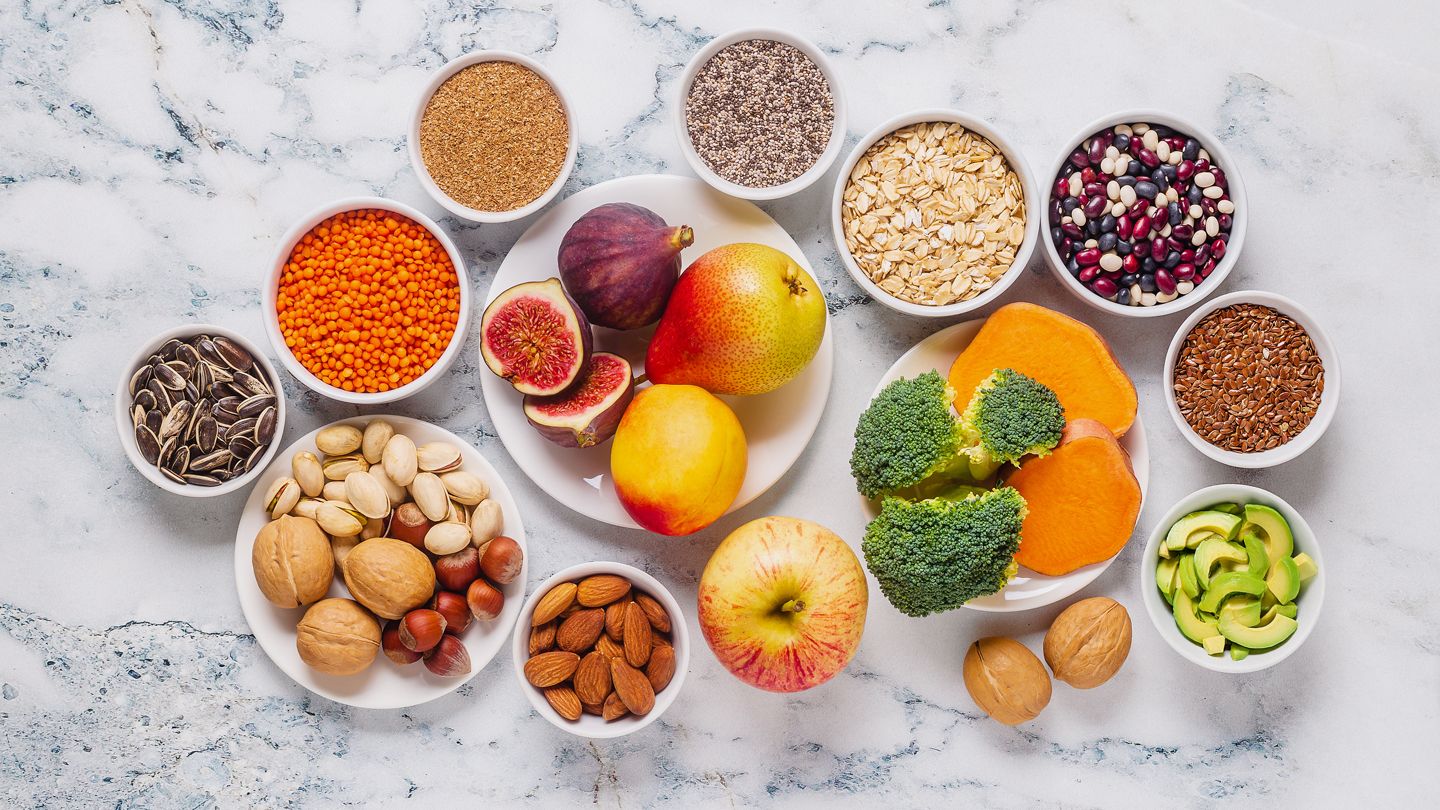
The healthiest sources of fiber include fruits, vegetables, whole grains, nuts, seeds, beans, and legumes. Dietitians recommend incorporating a variety of these foods into your diet for optimal health benefits. Some of the top high-fiber foods include:
- Raspberries and other berries
- Lentils
- Chia seeds
- Oats
- Avocados
- Sweet potatoes with the skin
- Broccoli
- Beans
- Almonds
- Whole grains
These foods not only provide fiber but also contain essential nutrients such as unsaturated fats, protein, vitamins, minerals, and antioxidants.
When to Consider Fiber Supplements
While it's best to obtain fiber from whole foods, some individuals may find it challenging to meet their daily fiber needs through diet alone. In such cases, fiber supplements can be beneficial. They may be particularly useful for picky eaters, individuals with food allergies, or those with gastrointestinal conditions who need to limit certain foods.
However, it's important to consult with a healthcare provider before starting any supplement regimen, as fiber supplements may not be suitable for everyone.
Who Should and Shouldn’t Try Fibermaxxing
Fibermaxxing is generally beneficial for most people, as few of us meet our daily fiber requirements. However, if you're not used to eating fiber, it's important to increase your intake gradually to avoid discomfort such as bloating, cramping, or constipation. Drinking plenty of water with fiber-rich foods can also help prevent these issues.
Fiber recommendations can vary based on individual factors such as age, weight, and overall health. Therefore, it's advisable to consult with a physician or registered dietitian for personalized guidance. Individuals with specific gut conditions, such as IBS or inflammatory bowel disease, may need a different approach to fiber intake and should seek professional advice.
The Bottom Line on Fibermaxxing
Fibermaxxing is a positive trend that encourages the addition of fiber-rich foods to the diet, which can lead to improved health outcomes. While many people benefit from increasing their fiber intake, it's essential to do so gradually and in consultation with a healthcare professional. By focusing on whole foods and making informed choices, individuals can enjoy the many benefits that fiber offers.

Post a Comment for "Should You Try Fibermaxxing for Better Gut Health?"
Post a Comment