Should the Kennedy Center Be Renamed for the Trumps?
The Controversy Over Renaming the Kennedy Center
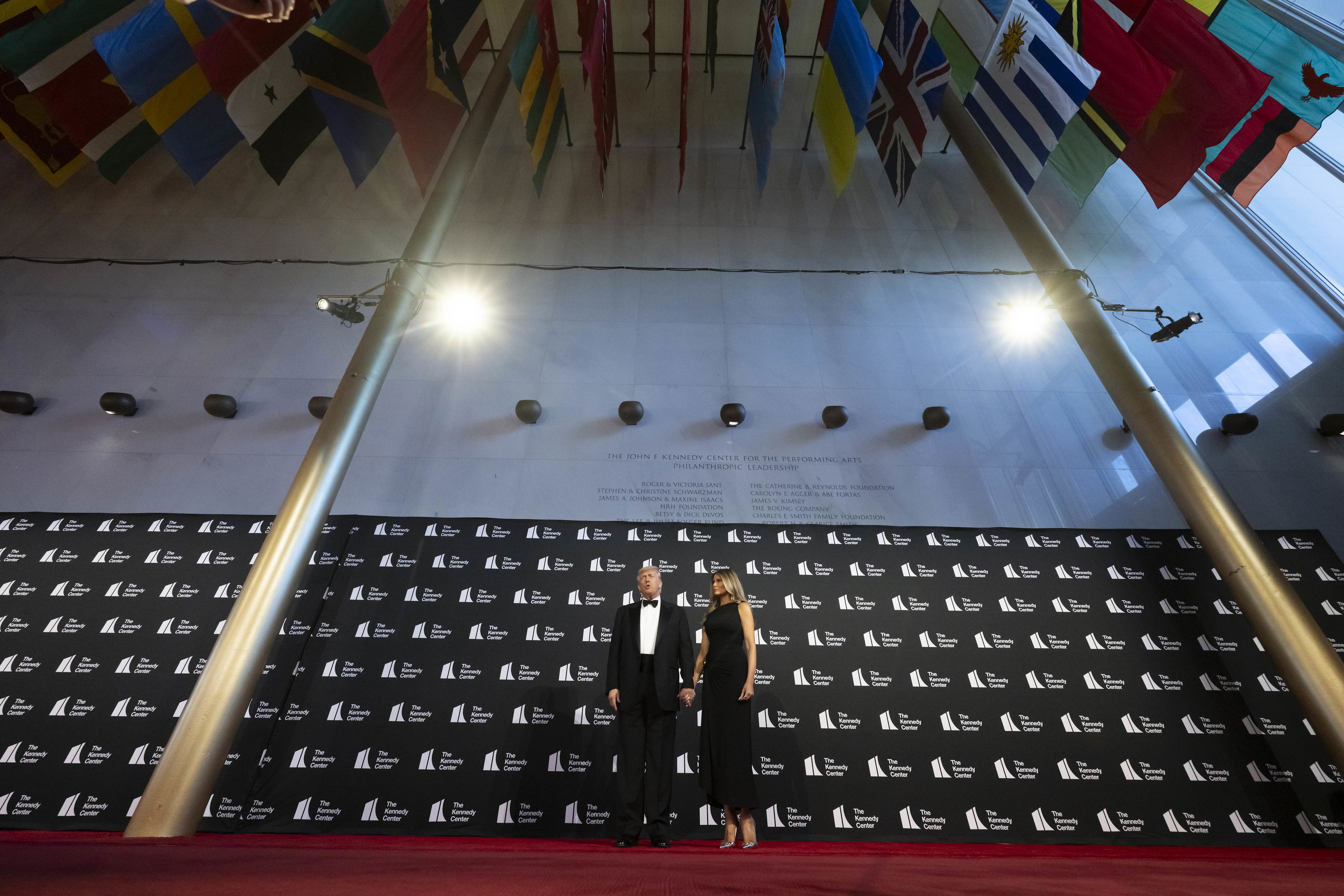
Last week, a significant debate emerged in the U.S. House of Representatives when a group of Republicans introduced an amendment to a spending bill that would rename the Opera House at the John F. Kennedy Center for the Performing Arts as the "First Lady Melania Trump Opera House." This move has sparked a broader discussion about who has the authority to change the name of such a prominent cultural institution.
Jack Schlossberg, the grandson of President John F. Kennedy, expressed his concerns on social media. He shared a post from Grok, an AI chatbot associated with X, which stated that no one, including former President Donald Trump, can unilaterally rename the Kennedy Center’s Opera House after Melania Trump. Schlossberg pointed to a federal statute known as Public Law 88-260, which prohibits the addition of any new memorials or plaques in the public areas of the Kennedy Center after December 2, 1983. If the proposed amendment were to pass, it could face legal challenges.
However, the House Appropriations Committee, which is led by Republicans, is not the same as the board of trustees that oversees the Kennedy Center. Rep. Mike Simpson (R-Idaho), who supported the amendment, argued that renaming the Opera House would be a way to recognize Melania Trump's contributions to the arts. The amendment passed with a vote of 33-25 and is expected to reach the House floor for further consideration.
In a surprising twist, another Republican member of the House, Rep. Bob Onder (R-Missouri), introduced a separate bill that would rename the entire Kennedy Center after Donald Trump. This proposal, dubbed the "Make Entertainment Great Again Act" or Mega Act, aims to rebrand the center as the "Donald J. Trump Center for the Performing Arts."
Legal and Political Implications
David Super, a law professor at Georgetown University, explained that the key factor in determining whether the renaming is possible lies in who is making the decision. According to the existing federal statute, the Kennedy Center’s board of trustees does not have the authority to rename any part of the center or create new memorials. This is because the law specifically prohibits additional memorials after 1983. However, the board is not the entity trying to make the change; instead, it is the House Republicans proposing the legislation.
Super noted that if the legislation were to pass, it would require 60 votes in the U.S. Senate. He also suggested that it might be difficult to gain support from Democratic senators, especially given Trump's history of cutting arts funding. This may explain why the proposal was included as an amendment in a spending bill rather than being presented as a standalone piece of legislation.
Reactions and Concerns
The idea of renaming the Kennedy Center has drawn strong reactions from various quarters. Maria Shriver, a niece of JFK, criticized the proposal on social media, calling it “insane” and expressing frustration over what she sees as a lack of respect for the center's legacy. She questioned the intent behind the move, suggesting it reflects a pattern of attempting to alter symbols of American culture.
Rep. Chellie Pingree (D-Maine), who voted against the Opera House amendment, emphasized the significance of the Kennedy Center as a tribute to JFK, who was a strong advocate for the arts. She compared the potential renaming to altering iconic landmarks like the Washington Monument or the Lincoln Memorial, highlighting the symbolic importance of the site.
Super also raised concerns about the unusual nature of naming a public institution after a living person. While this practice is common in some other countries, he noted that it is not typical in the United States. He questioned whether the proposal was more about political symbolism than a genuine effort to honor someone.
Pingree, meanwhile, expressed skepticism about whether Trump would follow legal procedures or simply proceed with the renaming regardless of the law. She suggested that the president, known for his disregard of norms, might take matters into his own hands by simply changing the name without official approval.
Conclusion
The debate over renaming the Kennedy Center highlights the complex interplay between politics, law, and cultural heritage. While the legal framework appears to limit the ability of the board to make such changes, the political process remains open to legislative action. As the proposals move forward, they will likely continue to spark discussions about the role of public institutions and the influence of political figures on cultural landmarks.

Post a Comment for "Should the Kennedy Center Be Renamed for the Trumps?"
Post a Comment