Shooter Who Killed 10 in Buffalo Claims Grand Jury Lacked Diversity
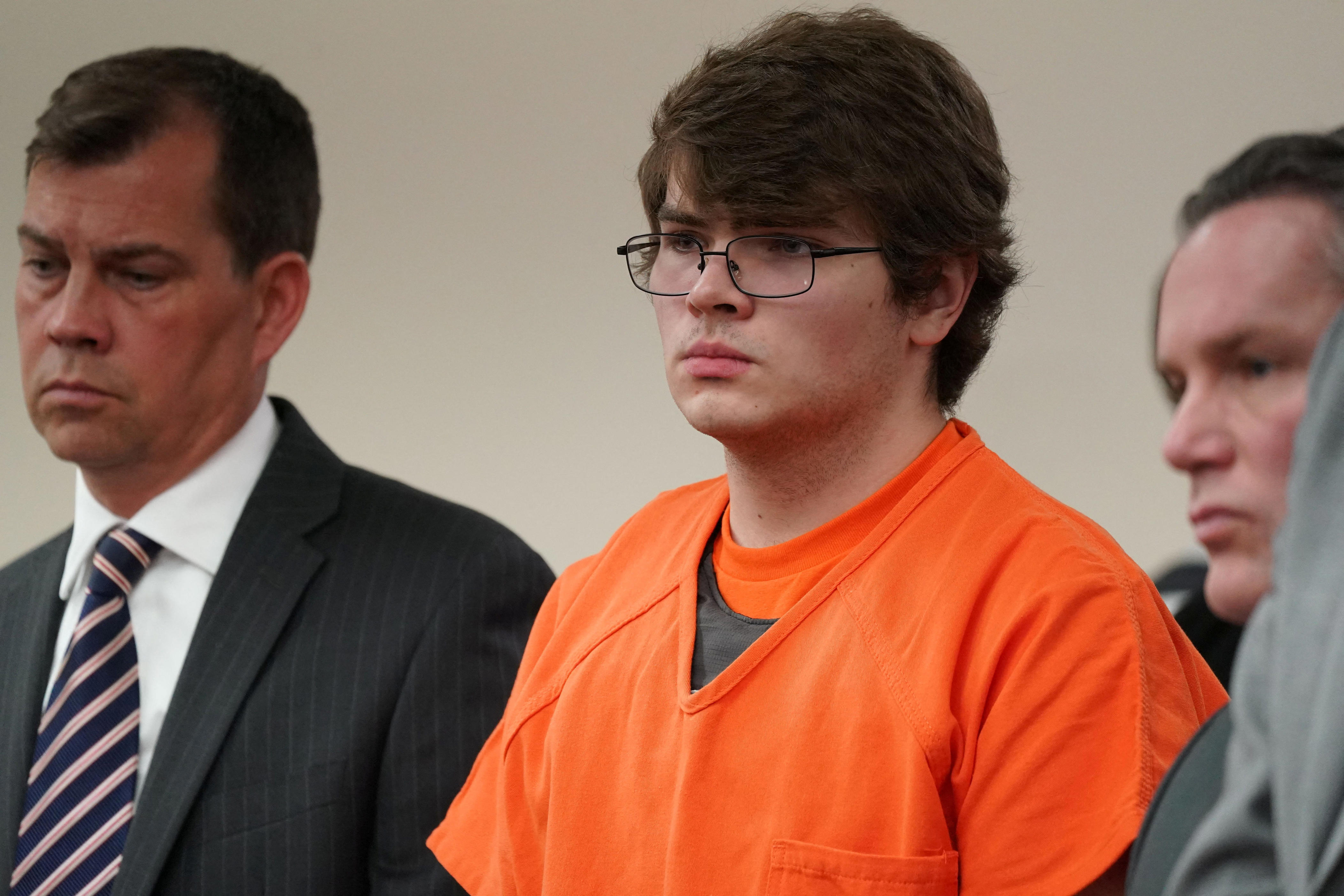
The Case of Payton Gendron: A Controversial Trial and Jury Composition Concerns
A white supremacist who shot and killed 10 Black individuals at a supermarket in Buffalo, New York, has raised concerns about the composition of the grand jury that indicted him. His legal team filed a motion on August 14, requesting that his federal case be dismissed. The argument centered around the underrepresentation of Black and Hispanic individuals in the jury pool, which they claim violates constitutional rights.
Gendron, who is currently serving 11 life sentences for state charges related to the 2022 massacre, has been charged with federal hate crime offenses that could lead to the death penalty. His attorneys argue that the Southern District of New York's jury pools have systematically excluded these groups, potentially affecting the fairness of his trial.
The U.S. Attorney's Office responded by stating that Gendron’s legal team failed to provide sufficient evidence of this systemic issue. They urged the judge to reject the motion, though no decision has been made as of August 15. The case is expected to go to trial next year, with the possibility of the death penalty being considered, despite New York state having abolished capital punishment in 2004.
The Attack and Its Victims
On May 14, 2022, Gendron traveled to Buffalo and opened fire in a busy supermarket, killing 10 people and injuring three others. The victims ranged in age from 32 to 86 and included a church deacon, the store's security guard, a man shopping for a birthday cake, and a grandmother of nine. At the time of the attack, Gendron was 18 years old.
In documents he posted online, Gendron claimed he chose the grocery store because it was located in a predominantly Black neighborhood. This reasoning has raised questions about his motives and the broader implications of racial bias in such attacks.
Grand Jury Composition and Legal Challenges
Gendron’s legal team stated that the grand jury that indicted him was drawn from a pool that lacked “one third of the Black persons expected and one third of the Hispanic/Latino persons expected.” Although the exact makeup of the grand jury was not provided, a judge noted during a recent hearing that adding two more Black individuals to the 60-person panel would have balanced it.
The defense also criticized the district's reliance on an outside vendor for jury sourcing, claiming that the vendor failed to properly document its procedures. The U.S. Attorney's Office has not yet commented on this issue.
Ongoing Legal Battles and Trial Concerns
This is not the first time Gendron’s legal team has raised concerns about the demographic makeup of those involved in his case. In April, they filed a motion requesting that his trial be moved from Buffalo to New York City, arguing that an impartial and racially diverse jury would be more suitable. They also asked the judge to remove the death penalty from consideration, citing issues with the jury selection process.
U.S. District Court Judge Lawrence Vilardo rejected the motion to eliminate the death penalty but has yet to decide whether to move the trial to New York City. Gendron’s federal trial is currently scheduled for June.
Broader Implications for the Justice System
The issue of diversity in jury pools has long been a concern within the criminal justice system. Advocates have called for reforms to reduce reliance on voter rolls, which experts say can exclude certain racial groups. Efforts to create more representative juries are ongoing at local, state, and federal levels.
As Gendron’s case continues to unfold, it highlights the complex intersection of race, justice, and legal procedure in the United States. The outcome of his trial could set important precedents for future cases involving similar issues.

Post a Comment for "Shooter Who Killed 10 in Buffalo Claims Grand Jury Lacked Diversity"
Post a Comment