She fell in love with Japanese homes on a high school trip and bought one at 24
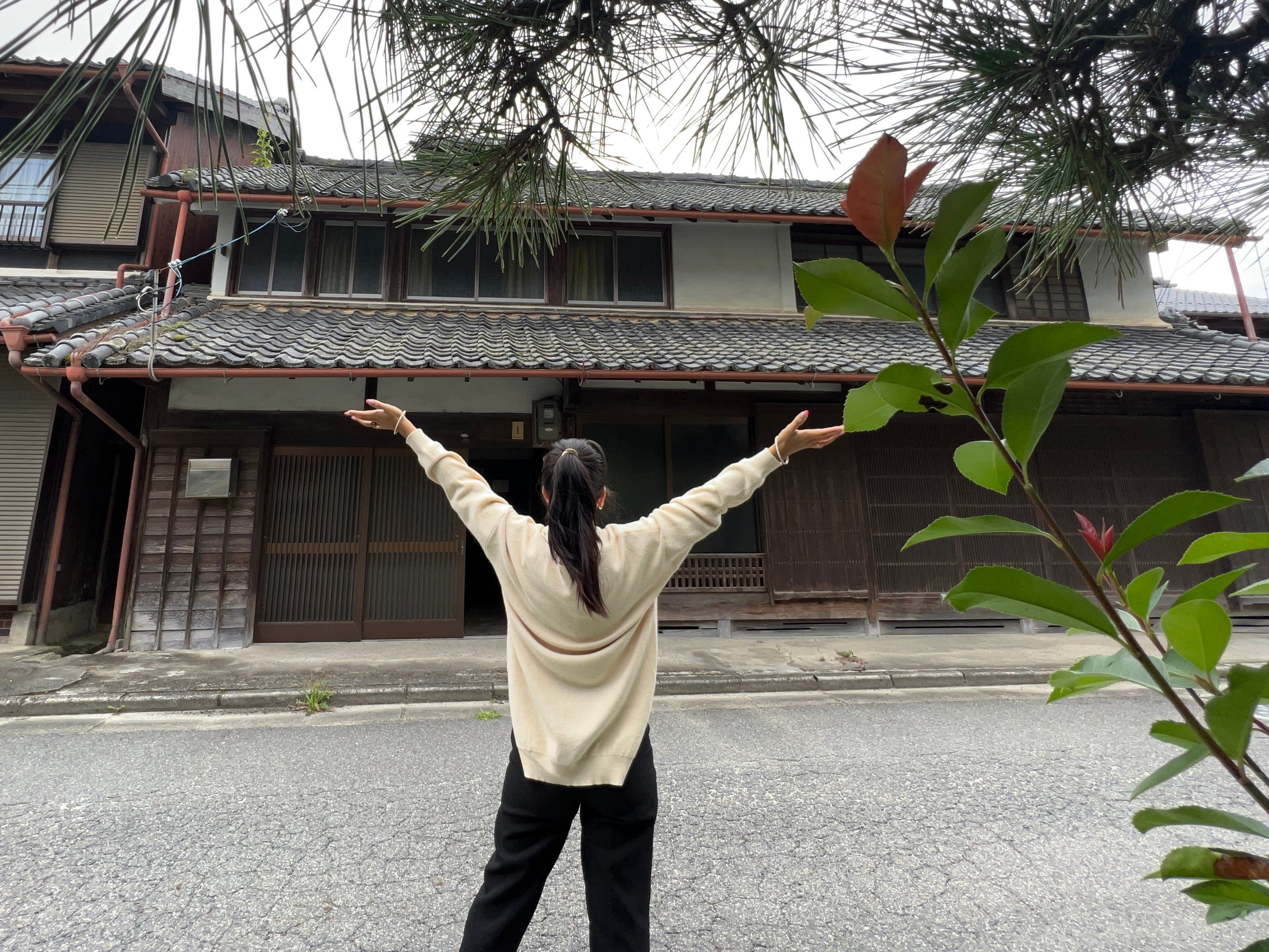
A Journey to Owning a Traditional Japanese Home
Coline Aguirre, now 27, made a bold decision at the age of 24 when she bought a traditional house in the Japanese countryside. This was not just a random choice but the culmination of years of dreaming and planning. She left France behind and moved to Japan alone, determined to restore the property and start her own real-estate consultancy. “It’s been three years now, but it still feels like a dream,” she said.
Her journey began during a high school exchange program in Japan a decade ago. Born in Paris, Aguirre had moved around a lot as a child. During her year in Kanagawa, a prefecture about 40 miles outside Tokyo, she discovered a world far different from the modern city houses she was used to. Her host family's grandparents lived in a traditional Japanese house built in the 1970s, with elegant wooden beams and beautiful tatami rooms. That experience sparked something deep within her.
“I fell in love, and in that moment, I knew I wanted to own a traditional house in Japan,” she recalled.
Fast forward to 2021, when Aguirre was back in France working as a freelance photographer. She and her mother had developed a shared hobby of browsing real-estate websites and daydreaming about homes. It was during this time that she noticed the stark contrast between property prices in France and Japan. In France, a countryside home could cost up to 200,000 euros, while some houses in rural Japan were available for as low as $500. The idea of owning a traditional home in Japan became more than just a fantasy—it was a possibility.
She set out to find a "kominka," or farmhouse, in the Japanese countryside. Her criteria were clear: a large property with enough space for a photo studio and an old house built to last. She found what she was looking for in Uda, a small town about 50 miles south of Kyoto. The 3,200-square-foot property met all her expectations—huge, with an inner garden, two bathrooms, two kitchens, and plenty of bedrooms.
With the help of a real-estate consultant who sent her a 20-minute video tour of the listing, Aguirre made the purchase remotely without ever seeing the house in person. She paid about 4.9 million Japanese yen for the property in 2022 and achieved her dream of buying a traditional house in the Japanese countryside.
Her husband, who is in the French Army, had known about her plan since they first started dating eight years ago. “From the moment we started dating, I already told him I’m going to be a house owner in Japan one day. And it eventually happened,” she said.
She officially moved to Japan alone later that year. “I had no plan. I was just trusting the universe,” she said. Her parents were supportive of her move, having already visited Japan multiple times and even living there for a short period.
Growing up, Aguirre had seen her parents buy and fix up old houses in France. “I had no perception of what was scary or not. We’ve been doing that so many times, it just felt normal for me to buy a house,” she said.
Restoring the House
Aguirre’s house sits on a street where the old market used to be. The area reminds her of Kyoto, with its shops and old houses. “The post office is in front of me, while there's a bank at the end of the road,” she said.
When the house was first built in the 1920s, the front section facing the street served as a soy sauce shop. Before she bought it, the previous owners had used it as a summer home whenever they visited from the city during the holidays.
In terms of restoring the property, Aguirre has tried to keep as much of the original structure as possible. The main changes she has made include getting rid of the septic tank and connecting the property to the public sewage system. “I haven’t really destroyed so many things besides everything that was added during the '70s,” she said.
There’s still a lot left to do, including remodeling the kitchen and removing the fake ceilings on the second floor. Considering the size of the property, it’s been a slow process. “I try to do all the DIY I possibly can,” she said.
Local contractors were often more accustomed to working on newer homes with modern materials like plastic insulation, which wasn’t what she envisioned for her own space. “I started to learn a lot of DIY stuff, like making tiles and waterproofing the shower. But it's fun. I really enjoy it and I like power tools a lot,” she said, adding that she dived into online tutorials, read books, and got advice from her father.
Living the Dream
Today, Aguirre runs a real-estate consultancy, an online boutique selling vintage kimonos and accessories, and offers kimono photography sessions. She is part of a growing wave of foreigners relocating to Japan. The number of foreign residents in Japan reached a record high of 3,768,977 at the end of 2024, according to data from the country’s Immigration Services Agency.
Many are drawn to Japan’s safety standards and relative affordability, as well as the opportunity to renovate one of the country’s 8 million abandoned homes. For Aguirre, the hardest part of her move was staying focused on her goals. “It is super challenging to own that kind of big house that needs constant attention, while also starting a business from zero in a new country with a new language,” she said.
She hopes to improve her Japanese language skills but hasn’t found the time to take lessons. “For now, my language classes are me talking to my neighbors,” she said.
Most of her neighbors are between 50 and 90 years old and have been living in the area for decades. Many of them once attended the local elementary school, which has since been transformed into a maple park. Meeting new people hasn’t been difficult. A fairly large group of foreigners—mostly from the US and the UK—are living in Uda, she said.
“When you go grocery shopping and you see someone else who is a foreigner, you basically go and talk to them because it’s so rare,” Aguirre said.
Aguirre lives in her house in Japan full-time, and her husband comes to visit whenever he can. Regarding what is often a long-distance relationship, Aguirre said, “It’s challenging, but I mean, he said yes eight years ago.”
Looking back on her journey, Aguirre says it feels like she's only begun to scratch the surface. “Three years is just a trial,” she said. Sometimes, she added, you’ll need to wait for the thrill of the move to die down before you know if it's really for you.
That said, Aguirre knows she made the right choice. She hopes to continue growing her real estate business, now a team of three, and eventually connect traditional Japanese homes with buyers seeking homes and spaces for their creative projects.
“It still feels like a dream,” Aguirre said. “I just added more layers to my dream.”

Post a Comment for "She fell in love with Japanese homes on a high school trip and bought one at 24"
Post a Comment