She Disregarded 'Debt' Scams—It Backfired
The Dangers of Deleting Important Messages
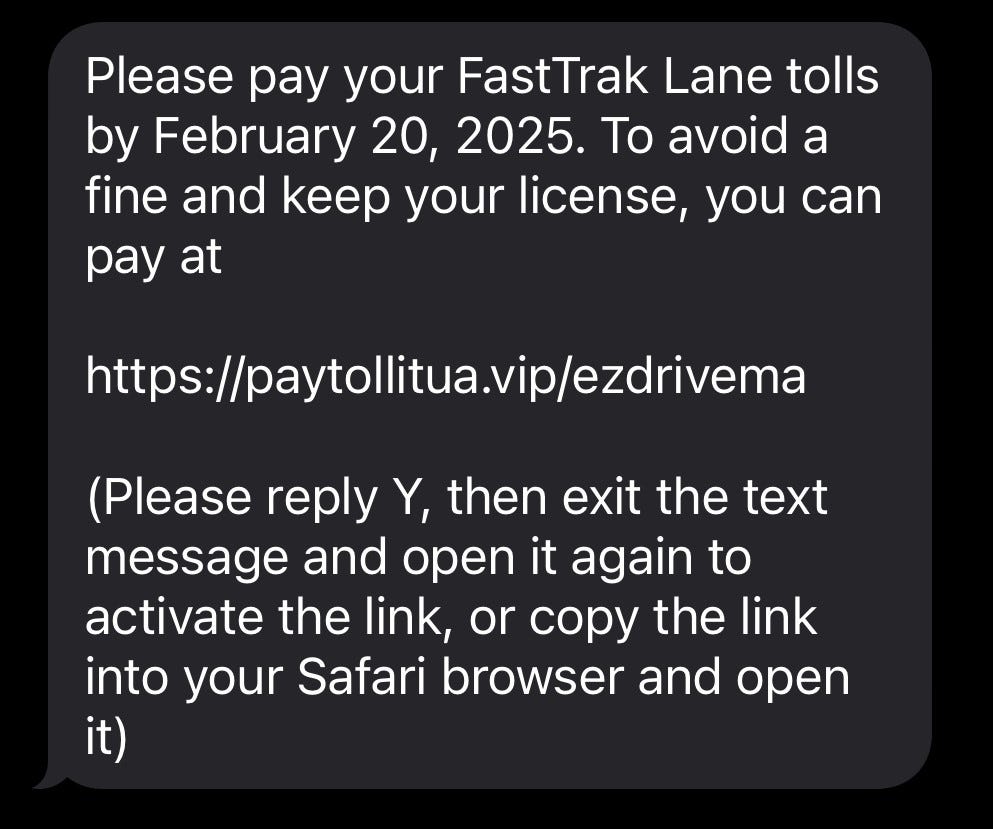
Americans are constantly bombarded with unwanted spam in their inboxes. From phishing texts claiming that tolls haven't been paid to calls from solicitors promising to erase debt, and malware emails offering winnings from a sweepstakes no one ever entered, the volume of these messages is overwhelming. Even the youngest and oldest individuals have learned to manage this flood by quickly hitting "delete" when something looks suspicious. However, this instinct can come with serious risks, as one California resident found out the hard way.
Ashley, a 47-year-old woman, had been receiving texts from a number claiming to be The Toll Roads, the administrator of tolling in California. These messages stated that the balance on her electronic toll payment method, FasTrak, was getting low. She assumed these were scams and kept deleting them, thinking she was too smart to fall for such tricks. Prior to this, she had only received communication via email, so she didn’t realize that The Toll Roads had her phone number.
Despite warnings from agencies like the Federal Trade Commission (FTC) and the FBI about phishing texts from scammers posing as toll authorities, Ashley remained skeptical. She had previously received numerous fake texts from senders claiming to be from UPS, FedEx, and her bank, which made it difficult for her to trust any message that seemed out of the ordinary. That changed when she received an email with a bold deactivation notice, stating that her account had been deactivated and that she would be in flagrant violation if she used any toll roads again.
Realizing the Consequences
Ashley panicked because she frequently used the toll roads. When she finally logged into her account, she discovered that it had been disconnected from the auto-refill feature attached to her bank card. The texts she had been deleting were actually from The Toll Roads. Fortunately, she hadn’t incurred a large unpaid balance, but the realization that she could have unknowingly broken the law or put herself in a bad position disturbed her.
Ashley now questions how businesses will communicate with customers via text, given the prevalence of fraud. “I don’t think I’m alone in not believing a text from a legitimate business,” she said.
Guidance from Toll Companies
Michelle Kennedy, media relations manager for The Transportation Corridor Agencies (TCA), which operates The Toll Roads, emphasized that while some account holders may receive texts about legitimate account issues, the majority of reported interactions are phishing scams. TCA only sends text messages to customers who opt in and only when there's a payment issue, a change in replenishment amounts, or an approaching credit card expiration. Customers can also receive communications via email, phone call, or physical mail.
TCA offers several ways for customers to interact with The Toll Roads, including visiting TheTollRoads.com, using the Toll Roads app, checking statement emails, or contacting customer service through phone lines or walk-in centers.
How to Spot a Text Message Scam
With scam attacks on iPhones and Androids surging by more than 700% in June alone, the need for caution is more important than ever. Leyla Bilge, Global Head of Scam Research for Norton, provides tips for identifying legitimate messages:
- Don’t trust the name alone – Scammers can spoof sender names. Tap the contact to reveal the actual email or telephone number behind it.
- Pause on pressure – Urgent language like “Act now” or “Verify immediately” is a classic scam tactic. Legitimate companies rarely create such panic.
- Ask yourself: Did I expect this? – If you weren’t waiting for a delivery or notification, don’t take the bait.
- Go straight to the source – Don’t reply or click through a message. Open the official website or app to confirm if there’s anything that needs your attention.
By understanding how scams operate and feeling equipped to verify messages safely, consumers are more likely to make the right decisions without missing important information. Staying calm and confident is key to avoiding falling victim to scams.

Post a Comment for "She Disregarded 'Debt' Scams—It Backfired"
Post a Comment