Sharpie Markers and a Handmade Badge: The 'Devil in the Ozarks' Plot to Escape Prison
The Escape of the “Devil in the Ozarks”
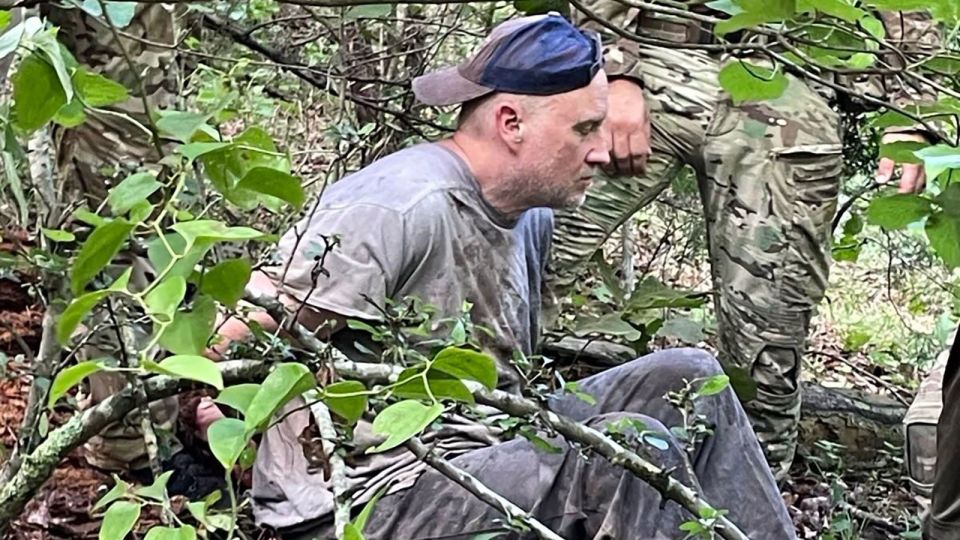
The story of Grant Hardin, a convicted murderer and rapist known as the “Devil in the Ozarks,” has captivated public attention after he successfully escaped from a correctional facility in Arkansas. After evading authorities for over 10 days in the rugged terrain of rural northwest Arkansas, Hardin was recaptured, leading to a detailed investigation into how he managed to break free.
Hardin, who previously served as an Arkansas police chief, was serving a 30-year sentence for murder and two 25-year sentences for rape when he allegedly began planning his escape. According to a report by the state Department of Corrections’ critical incident review committee, Hardin spent six months preparing for his escape, using his access to the prison kitchen to gather materials and create a convincing law enforcement costume.
Planning the Breakout
During interviews with officials, Hardin described how he used black aprons from the kitchen to fashion a fake stab vest and colored a white inmate uniform and hat with black Sharpie markers. He also added the word “POLICE” in white on the back of the shirt to enhance the illusion. Additionally, he crafted a badge from a food can lid and hid his belongings in a trash can that was never searched.
Hardin claimed he overheard a deputy warden’s conversation about inmates no longer being allowed to go outside alone. On the day of his escape, he gathered supplies and left the prison, walking toward the gate while wearing his homemade costume. According to the report, he simply told an officer to “open the gate,” and the officer complied.
The Escape and Capture
After leaving the prison, Hardin made his way through the woods, hiding from search teams and surviving on limited resources. He reportedly ate berries, bird eggs, and ants, and drank water from a creek. However, he eventually ran out of supplies and was spotted by search teams, leading to his capture.
The critical incident review committee identified several procedural issues that contributed to Hardin’s successful escape, including confusion over which agency was responsible for responding to the incident and some staff not being properly notified of the escape. The report recommended changes such as replacing black aprons with white ones, adding more surveillance cameras, and updating lock systems.
Consequences and Reforms
Two prison employees were fired for policy violations, while others received disciplinary action. However, officials stated there was no evidence that anyone knowingly helped Hardin escape. Hardin has denied having any assistance from other inmates.
In response to the findings, the Department of Corrections implemented corrective actions, including new training drills and policy changes. The report emphasized the need for improved communication and security measures to prevent future escapes.
A New Chapter
After being captured on June 6, Hardin was transferred to a maximum-security prison in Varner, Arkansas. His case continues to highlight the challenges of managing high-risk inmates and the importance of maintaining strict security protocols in correctional facilities.
As the legal proceedings against Hardin continue, the events surrounding his escape serve as a reminder of the complexities involved in prison management and the ongoing efforts to ensure the safety of both staff and inmates.

Post a Comment for "Sharpie Markers and a Handmade Badge: The 'Devil in the Ozarks' Plot to Escape Prison"
Post a Comment