Shane Tamura's CTE Request: What Is Chronic Traumatic Encephalopathy?
Tragedy in Midtown Manhattan: A Shooter's Attack and the Link to CTE
On July 28, a tragic shooting occurred at a high-rise office building in midtown Manhattan. The incident took place after work hours, resulting in the deaths of four individuals and one person being seriously injured. According to police reports, a Nevada man named Shane Tamura, 27, is accused of opening fire with an M4 rifle in the lobby and on the 33rd floor of 345 Park Ave. before ultimately taking his own life.
Tamura had traveled across the country to reach New York City, as reported by officials. Among the victims was Officer Didarul Islam, who was off-duty and working a security job at the time. Other victims include Wesley LePatner, an executive at Blackstone, and security officer Aland Etienne. Another individual who died has yet to be identified. One person shot remains in critical but stable condition, while four others sustained minor injuries.
According to New York Police Commissioner Jessica Tisch, Tamura had a "documented mental health history," and his motives are still under investigation. A note found at the scene suggested that "CTE" may be a possible cause of his mental illness. The suspect also expressed anger in the note about his mental illness potentially being linked to playing football. Investigators are looking into whether this is why the building housing NFL offices was targeted.
Tamura was a running back on his high school football team. Research has linked playing football to an increased risk of CTE, or chronic traumatic encephalopathy.
What Is CTE?
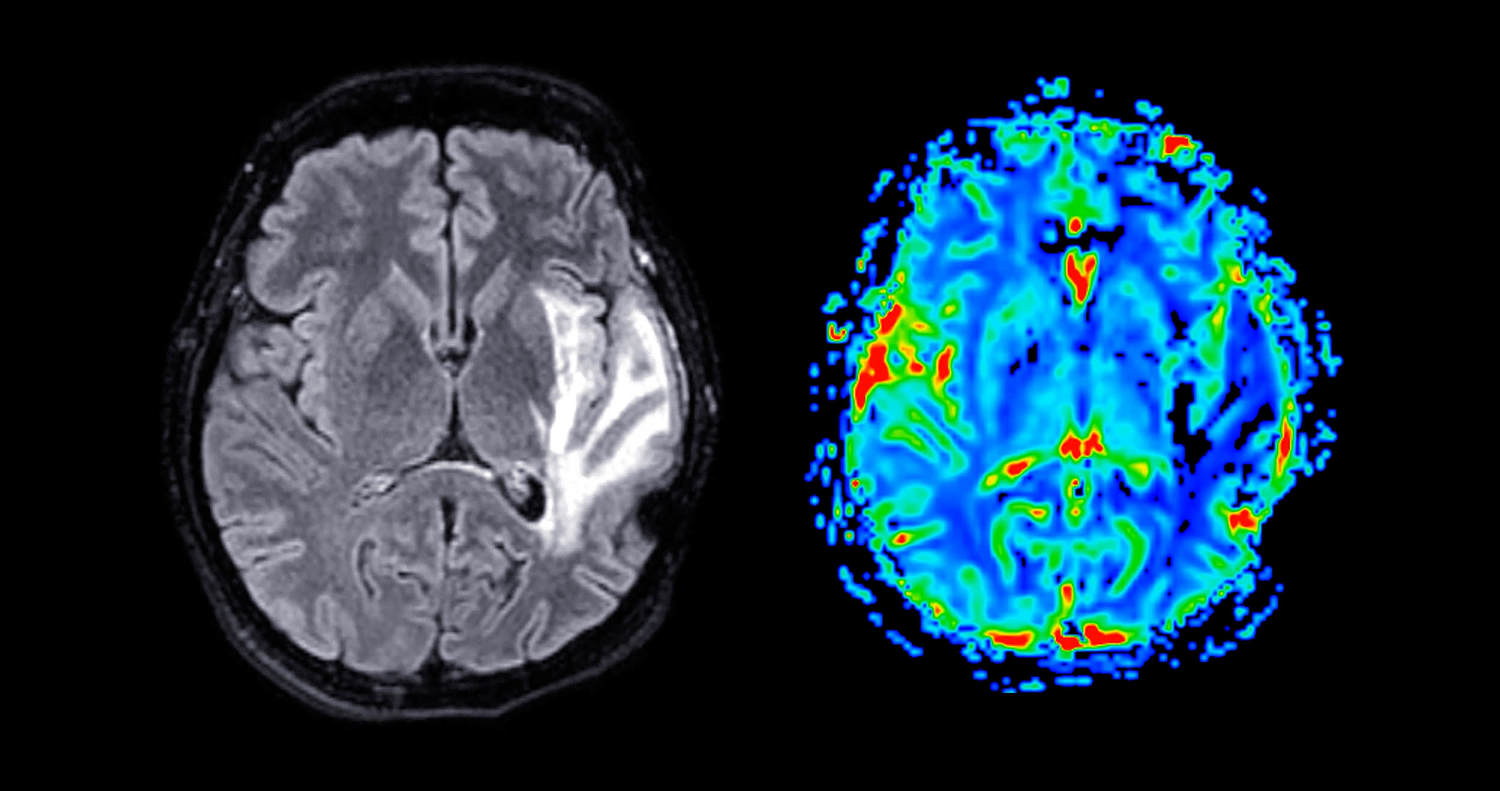
Chronic traumatic encephalopathy (CTE) is considered an incurable, degenerative brain disease that affects people who have experienced repeated traumatic brain injuries, such as concussions. According to the Cleveland Clinic, the frequent blows to the head can lead to the death of nerve cells in the brain. Individuals with CTE might experience mood swings, cognitive problems, difficulty with balance and mobility, as well as brain disorders like dementia.
The condition is often detected in people who play sports—especially football, boxing, soccer, ice hockey, wrestling, and rugby—as well as military veterans, according to research. While CTE gradually spreads to other areas of the brain, it likely begins in the front part of the brain, where most people experience head injuries.
Symptoms of CTE
The Cleveland Clinic lists several symptoms associated with CTE, including:
- Loss of memory
- Difficulty making choices
- An inability to solve problems or make plans
- Anxiety
- Depression
- Fluctuating moods
- Suicidal thoughts
- Desire to self-harm
- Behaving differently
- Trouble with balance
- Being uncoordinated
- Experiencing tremors or uncontrolled muscle movements
Dr. Ann McKee, a neuropathologist and director of Boston University’s Chronic Traumatic Encephalopathy Center, noted that memory loss and cognitive changes are the most predictive symptoms of CTE. Other common symptoms include impulsivity, aggressive behavior, verbal and physical violence, having a short fuse, loss of control, and depression.
Does Football Cause CTE?
Research indicates that repeated head injuries sustained when playing football can increase the risk of CTE. However, not everyone who plays football will develop CTE, and other activities that result in traumatic brain injuries, such as other sports and military service, can also increase CTE risk. Despite this, the research does not yet prove that CTE is what causes violent behavior in some individuals.
Understanding the Connection
While the exact cause of Tamura's actions is still under investigation, the mention of CTE in the note raises important questions about the long-term effects of head injuries and their potential impact on mental health. As researchers continue to study CTE, the need for better understanding and prevention strategies becomes increasingly urgent.

Post a Comment for "Shane Tamura's CTE Request: What Is Chronic Traumatic Encephalopathy?"
Post a Comment