Serbia Surges with Anti-Government Protests After Railway Disaster
Escalating Unrest in Serbia
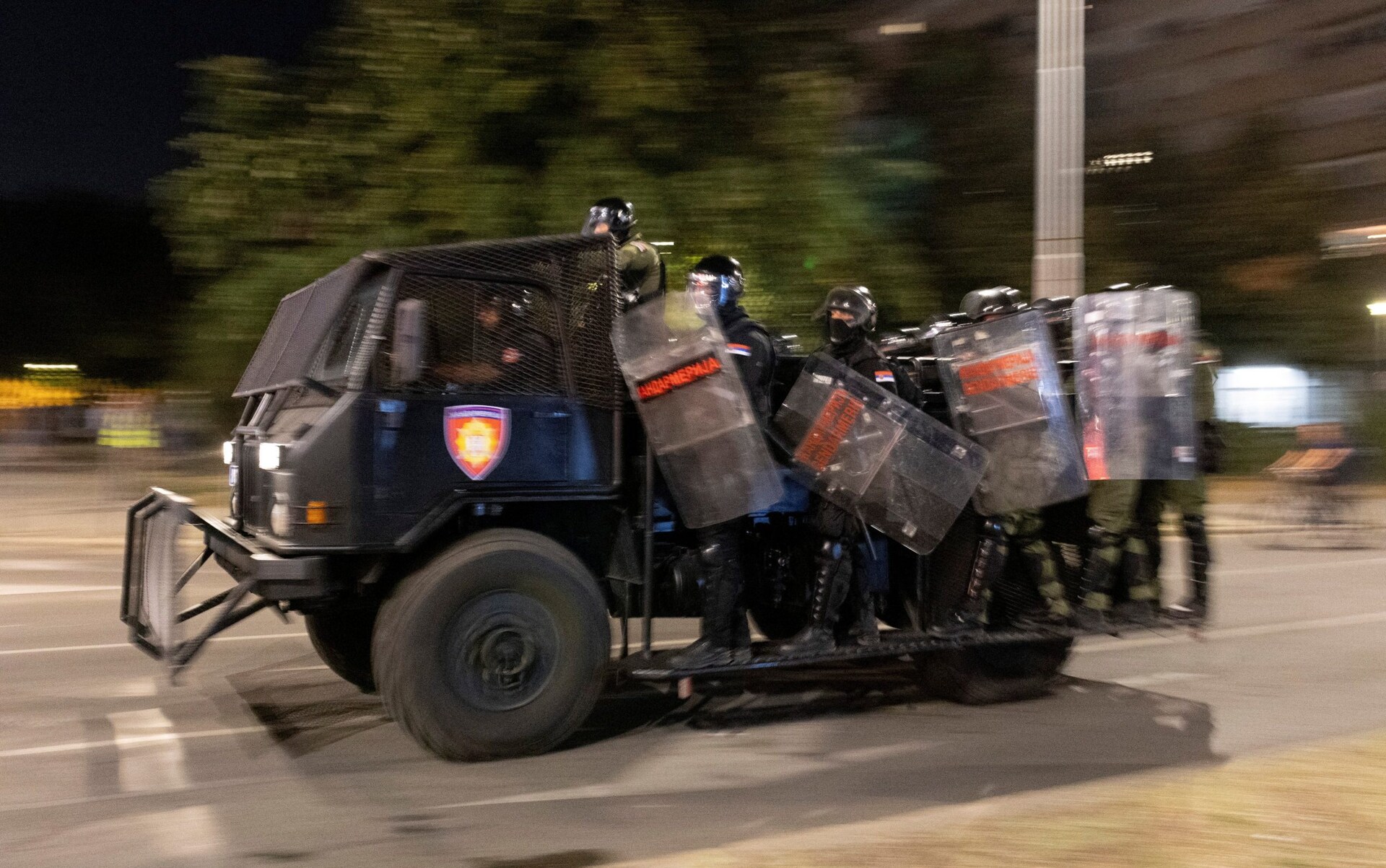
Serbia has witnessed a surge in civil unrest, with the offices of the ruling Serbian Progressive Party (SNS) set on fire during the fifth night of protests. The situation has escalated into violent clashes between anti-government demonstrators and riot police, resulting in over 130 injured officers and 18 arrests. The incidents have occurred across several cities, including Belgrade, Valjevo, and Novi Sad, where tensions have reached a boiling point.
In Valjevo, western Serbia, police were accused of using stun grenades and tear gas after a small group of masked protesters attacked the empty SNS offices. Despite these allegations, the Serbian interior ministry denied claims of violence and police brutality in Belgrade and Novi Sad. However, the unrest has not been confined to these areas, as reports of confrontations continue to emerge.
The root of the current crisis can be traced back to the collapse of a railway station in Novi Sad in November, which claimed the lives of 16 people. Protesters allege that the contractors responsible for the renovation had cut corners, leading to the tragedy. Although the investigation is still ongoing, a dozen officials, including a government minister, are currently facing charges related to the incident.
Initially, the student-led anti-corruption demonstrations remained largely peaceful. However, this changed on Wednesday when pro-government supporters launched counter-protests, leading to an escalation in hostilities. On Saturday, riot police were deployed across multiple cities, including Belgrade, to manage the growing unrest.
Russia, a key ally of Serbia, has expressed its support for President Aleksandar Vucic, who leads the SNS and is known for his pro-Kremlin stance. In response to the protests, Vucic vowed a “strong” reaction, comparing the demonstrators to “terrorists.” He emphasized the need for law and order, stating, “You will see the full determination of the Serbian state. We will use everything at our disposal to restore law, peace and order.”
During the protests, demonstrators not only targeted the SNS offices but also attacked the Serbian Radical Party, a coalition partner. Footage from the scene showed fireworks being launched at the front of the offices, causing fires. Injuries have been reported across the country, with online videos showing one man being beaten by police in Valjevo.
Ivica Dacic, Serbia’s interior minister, stated, “There will be more detentions. All those who have broken the law will be arrested.” This declaration underscores the government's intent to take firm action against the protesters.
Despite efforts to pursue EU membership and receiving significant financial aid from Brussels, Vucic's government has maintained close ties with Moscow. This alignment is evident in their support for Russia's actions in Ukraine. Additionally, Vucic has maintained a positive relationship with Donald Trump, with Trump's son-in-law, Jared Kushner, planning to build a hotel in Belgrade.
Vucic has accused the protest movement of being infiltrated by foreign agents aiming to “destroy Serbia.” He has pledged to crack down on further demonstrations, emphasizing the need for stability.
Russia’s foreign ministry has indicated that it may offer additional support to Vucic, describing the protests as “violent riots.” The statement said, “Russia cannot remain unresponsive to what is happening in brotherly Serbia.”
Alain Berset, the secretary general of the Council of Europe, has urged for calm and respect for the right to peaceful assembly. He called on Serbian authorities to uphold Council of Europe standards, emphasizing the importance of maintaining democratic principles during times of unrest.

Post a Comment for "Serbia Surges with Anti-Government Protests After Railway Disaster"
Post a Comment