Senator John Fetterman Unveils Bill to Shield US Art Market from Money Laundering
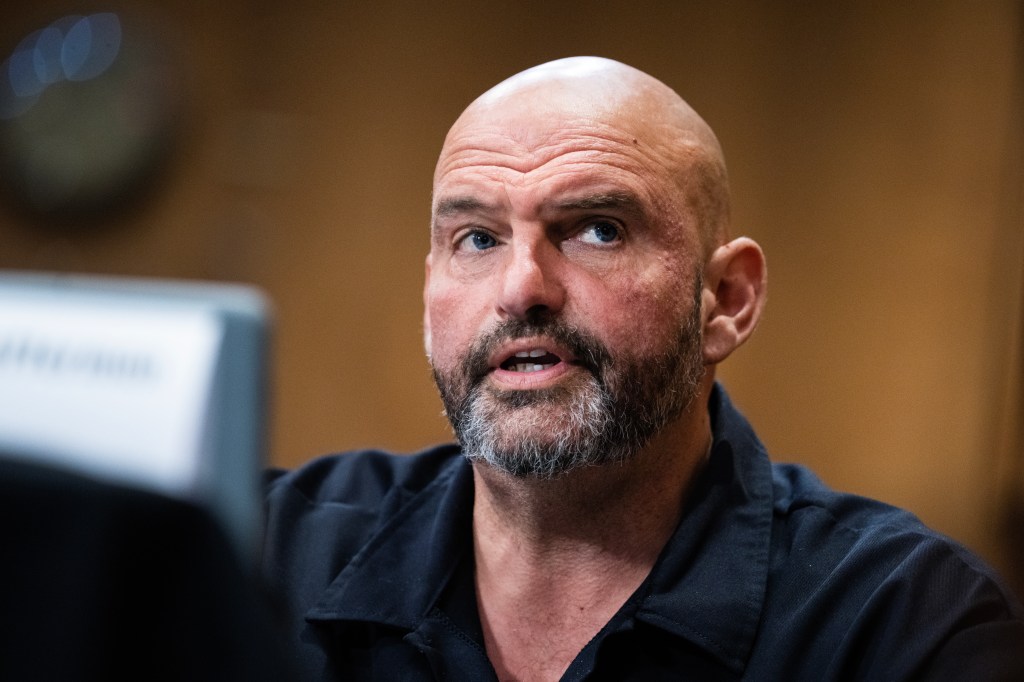
New Legislation Targets Money Laundering in the US Art Market
On July 23, a group of U.S. senators introduced new legislation aimed at addressing concerns about money laundering and financial crimes within the art market. The proposed bill, known as the Art Market Integrity Act, seeks to bring greater transparency and accountability to various sectors involved in the sale and trade of artworks.
The bill would amend the Bank Secrecy Act to require art dealers, auction houses, and other professionals in the art industry to comply with anti-money laundering (AML) and counter-terrorism financing regulations. This includes art advisors, consultants, custodians, galleries, museums, collectors, and any other individual or entity that acts as an intermediary in the sale of works of art.
If passed into law, the Art Market Integrity Act would grant the U.S. Treasury the authority to enforce specific AML policies and safeguards on these entities. These measures could include conducting due diligence on clients, maintaining detailed records, and reporting any suspicious transactions.
The legislation defines "works of art" broadly, encompassing original paintings, sculptures, watercolors, prints, drawings, photographs, installation art, and video art. However, it explicitly excludes applied art such as product design, fashion design, architectural design, interior design, and mass-produced decorative items like ceramics, textiles, or carpets.
Notably, the bill does not address furniture or antiques, leaving some areas of the art market untouched by the proposed regulations.
Key Provisions and Exemptions
The bill was introduced by Senator John Fetterman (D-PA), with support from Senators Chuck Grassley (R-IA), Sheldon Whitehouse (D-RI), Bill Cassidy (R-LA), Andy Kim (D-NJ), and David McCormick (R-PA). According to a press release from Fetterman's office, the legislation is designed to target high-risk transactions while exempting artists themselves and businesses with annual art transactions under $50,000.
It also aligns the U.S. with international standards already adopted by countries such as the United Kingdom, the European Union, and Switzerland. This move aims to prevent the U.S. from becoming a haven for illicit activities.
The bill specifies that art sellers with single transactions below $10,000 and total transactions under $50,000 involving a work of art are exempt. Additionally, it fully exempts artists who sell their own works and non-profit organizations.
Senator Fetterman emphasized the importance of the legislation, stating, “Art should be for art-lovers, not terrorists and criminals.” He highlighted how loopholes have allowed individuals to evade sanctions and fund terrorist activities through art deals.
Concerns and Real-World Examples
In recent years, the U.S. Treasury Department has identified the art market as particularly vulnerable to money laundering and the evasion of international sanctions. Several high-profile cases have drawn attention to this issue.
In 2023, art collector Nazem Ahmad was charged with violating and evading U.S. sanctions by dealing $440 million in art and diamonds, using the proceeds to fund Hezbollah. Russian construction billionaires Arkady and Boris Rotenberg were able to purchase $18 million in art despite U.S. sanctions imposed in 2014. Similarly, Russian oligarch Roman Abramovich restructured a trust holding his $963 million art collection ahead of the invasion of Ukraine, protecting it from potential seizures due to sanctions.
Another case involved political advisor and Russian television contributor Dimitri Simes and his wife, Anastasia Simes, who were charged with violating U.S. sanctions through schemes involving art and antiques.
Support and Skepticism
The Art Market Integrity Act has received endorsements from several prominent organizations, including the Antiquities Coalition, Transparency International U.S., the FACT Coalition, FDD Action, the American Jewish Committee, Razom for Ukraine, and others.
However, not all experts are optimistic about the bill’s success. Erin Thompson, a professor of art crime at the John Jay College of Criminal Justice, expressed skepticism, stating, “Regulation of the opaque art market is desperately needed, but given the success major players have so far had in fighting every attempt to restrict their profits, I have little hope this bill will succeed.”
As the debate over the legislation continues, the focus remains on balancing the need for regulation with the unique nature of the art market.

Post a Comment for "Senator John Fetterman Unveils Bill to Shield US Art Market from Money Laundering"
Post a Comment