Senate confirms Emil Bove to appeals court amid whistleblower controversy
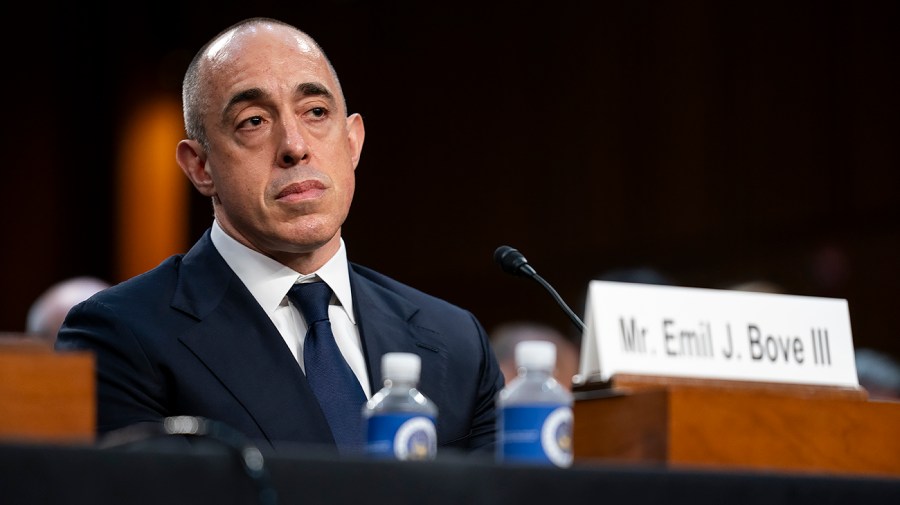
Confirmation of Emil Bove Sparks Controversy
The Senate's confirmation of Emil Bove to the Third Circuit Court of Appeals has ignited a fierce debate, as the former personal lawyer of President Trump now holds a lifetime appointment on the bench. This decision comes amid multiple whistleblower complaints that raise serious concerns about his conduct and integrity.
Bove currently serves in a high-ranking position at the Justice Department and has been the subject of three recent complaints. Two of these allegations suggest that he encouraged actions that could have violated court orders, while the third claims he misled Congress regarding the dismissal of bribery charges against New York Mayor Eric Adams. These allegations have sparked significant scrutiny and concern among lawmakers and watchdog groups.
The confirmation vote was extremely close, with a 50-49 tally. Notably, two Republican senators, Lisa Murkowski of Alaska and Susan Collins of Maine, joined all Democratic senators in opposing Bove’s nomination. Senate Minority Leader Chuck Schumer criticized the decision, stating that it rewards someone "credibly accused of wanting to lie to judges" with a judicial position.
Schumer emphasized that the confirmation appeared to be driven by loyalty to Donald Trump, asserting that Bove was chosen for his allegiance rather than his qualifications. Democrats also highlighted the rapid pace of Bove’s consideration, suggesting that the Senate Republicans were rushing the process to prevent further damaging information from emerging.
Whistleblower Allegations Against Bove
Since his June confirmation hearing, Bove has faced persistent whistleblower complaints. Dick Durbin, the top Democrat on the panel, noted that those around Bove have come forward, risking their careers to speak the truth. One such whistleblower, Erez Reuveni, alleged that Bove suggested the Justice Department defy court orders blocking the deportation of migrants under the Alien Enemies Act. Reuveni claimed that DOJ might have to tell the courts “f–- you.”
Reuveni was later fired after expressing concerns about the deportation of a man due to an administrative error. His complaint detailed confusion as he sought updates on a court order to halt flights, only to find silence from the administration. Subsequently, over 200 Venezuelan men were deported to a prison in El Salvador, prompting a judicial review for potential criminal contempt.
A second whistleblower has since come forward, corroborating Reuveni’s allegations. Bove has not recalled using the expletive but stated during his confirmation hearing that he conveyed the importance of the operation. Meanwhile, a third whistleblower has raised new concerns about Bove’s role in dropping the prosecution of New York Mayor Eric Adams on bribery charges.
Political Implications and Backlash
The allegations surrounding Bove’s involvement in the Adams case have drawn sharp criticism from Democrats. They argue that the move was a quid pro quo, with Bove offering to drop charges in exchange for cooperation on immigration matters. During his confirmation hearing, Bove defended the decision, claiming that policy reasons made it appropriate to drop the charges.
Senate Judiciary Chair Chuck Grassley, however, praised Bove’s qualifications and dismissed the whistleblower accusations as unfair. He criticized the timing of the disclosures, suggesting they were strategically placed to derail Bove’s nomination. Grassley expressed confidence in Bove’s ability to serve as a fair and capable jurist.
Meanwhile, groups like Justice Connection, composed of DOJ alumni, have pushed back against claims that they unfairly targeted Bove. They argue that his actions have undermined constitutional principles and institutional guardrails. The group’s founder, Stacy Young, emphasized that history will recognize the courage of those who came forward.
Ongoing Debate and Future Implications
As the controversy surrounding Bove’s confirmation continues, the broader implications for the judiciary and the Justice Department remain uncertain. The situation highlights the challenges of balancing political loyalty with judicial integrity and raises questions about the transparency and accountability of high-profile appointments.
With the Senate’s decision, Bove is now poised to serve on the Third Circuit Court of Appeals, a position that carries significant influence over legal decisions across the region. The ongoing scrutiny of his conduct underscores the need for continued vigilance and oversight in ensuring that judicial appointments reflect the highest standards of ethical behavior and professional competence.

Post a Comment for "Senate confirms Emil Bove to appeals court amid whistleblower controversy"
Post a Comment