Senate Approves Trump's CDC Leader Nominee
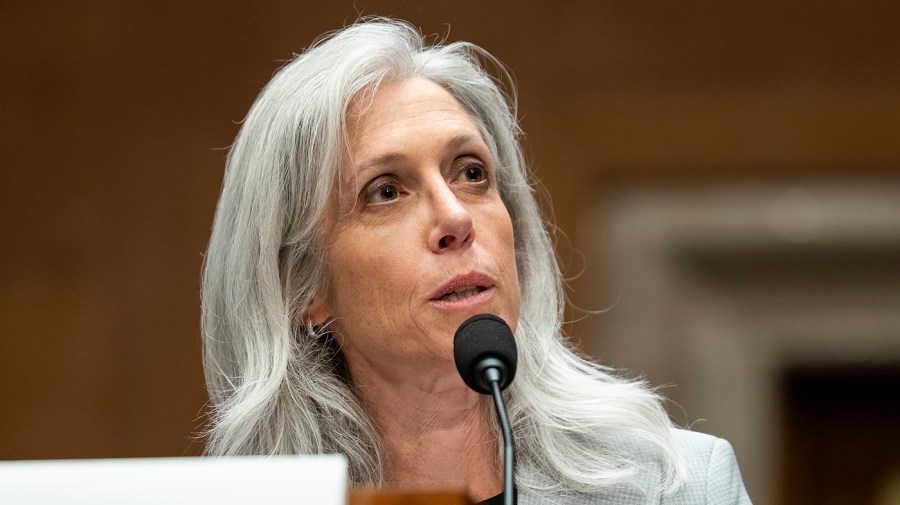
The Appointment of Susan Monarez as CDC Director
The Senate has confirmed Susan Monarez to lead the Centers for Disease Control and Prevention (CDC), marking a significant shift in the leadership of an agency that has faced considerable challenges. Monarez, a seasoned government scientist, is now at the helm of the CDC, which has been under intense scrutiny following changes implemented by Health and Human Services (HHS) Secretary Robert F. Kennedy Jr.
Monarez, who is 50 years old, was President Trump’s second choice for the position. Her confirmation came through a narrow party-line vote of 51-47. She had previously served as the acting director of the CDC since March, when she stepped down to accept the nomination. This makes her the first nominee for CDC director to require Senate confirmation, highlighting the political nature of the appointment.
A Challenging Leadership Role
Monarez will take over an agency that is currently facing numerous criticisms. The Trump administration has proposed significant budget cuts for the CDC in 2026, leading to the reduction of hundreds of staff positions. Additionally, doctors and public health experts have raised concerns about Kennedy's actions, including altering vaccine recommendations and removing members of a vaccine advisory panel.
In the absence of a confirmed director, Kennedy took it upon himself to replace all 17 members of the Advisory Committee on Immunization Practices (ACIP). This move has sparked controversy, as the CDC director typically must approve ACIP recommendations before they become official policy. However, Kennedy has bypassed this process, directly implementing his own decisions.
Controversial Decisions and Public Concerns
Kennedy’s ACIP recently voted to remove thimerosal, a preservative used in some flu vaccines, despite scientific evidence indicating its safety. Although he signed off on this recommendation, he has yet to endorse another from the same meeting that recommends everyone receive a flu shot. Moreover, he has unilaterally decided that HHS will no longer recommend COVID-19 vaccines for healthy pregnant women and children, bypassing traditional agency procedures.
Unlike other Trump health nominees, Monarez is not known for being a controversial figure. She has spent nearly two decades working within the federal government across various offices. Prior to her role at the CDC, she served as deputy director at the Advanced Research Projects Agency for Health. Before entering government work, she was a science and technology policy fellow with the American Association for the Advancement of Science.
Political Dynamics and Confirmation Process
Trump selected Monarez to lead the CDC after his initial choice, former Florida Rep. Dave Weldon (R), failed to gain enough support among Senate Republicans. Weldon faced criticism for promoting a debunked link between vaccines and autism. During her confirmation hearing, Monarez assured Democrats that “vaccines save lives” and stated there was no evidence linking vaccines to autism.
Despite this, she maintained a careful approach, avoiding direct confrontation with her potential boss. Her nomination advanced through the Senate Health, Education, Labor and Pensions (HELP) Committee on a party-line vote.
Diverging Opinions on Leadership
Senator Bernie Sanders (I-Vt.), the ranking member of the HELP Committee, expressed concern over Monarez’s potential leadership. He emphasized the need for a CDC director who would defend science and protect public health while rejecting Kennedy’s “dangerous conspiracy theories.” Sanders noted that he did not believe Monarez aligned with these values.
On the other hand, HELP Committee Chair Bill Cassidy (R-La.) supported Monarez’s nomination, stating that the country needs a CDC director who makes decisions based on science and works to restore public trust in health institutions.
Conclusion
Monarez’s appointment marks a pivotal moment for the CDC as it navigates the challenges posed by recent changes in leadership and policy. Her tenure will likely be closely watched, given the high stakes involved in public health and the political dynamics surrounding her confirmation.

Post a Comment for "Senate Approves Trump's CDC Leader Nominee"
Post a Comment