Scorecard: Key Votes Loom on Guns, Immigration, and Diversity
Key Veto Override Votes Expected in North Carolina
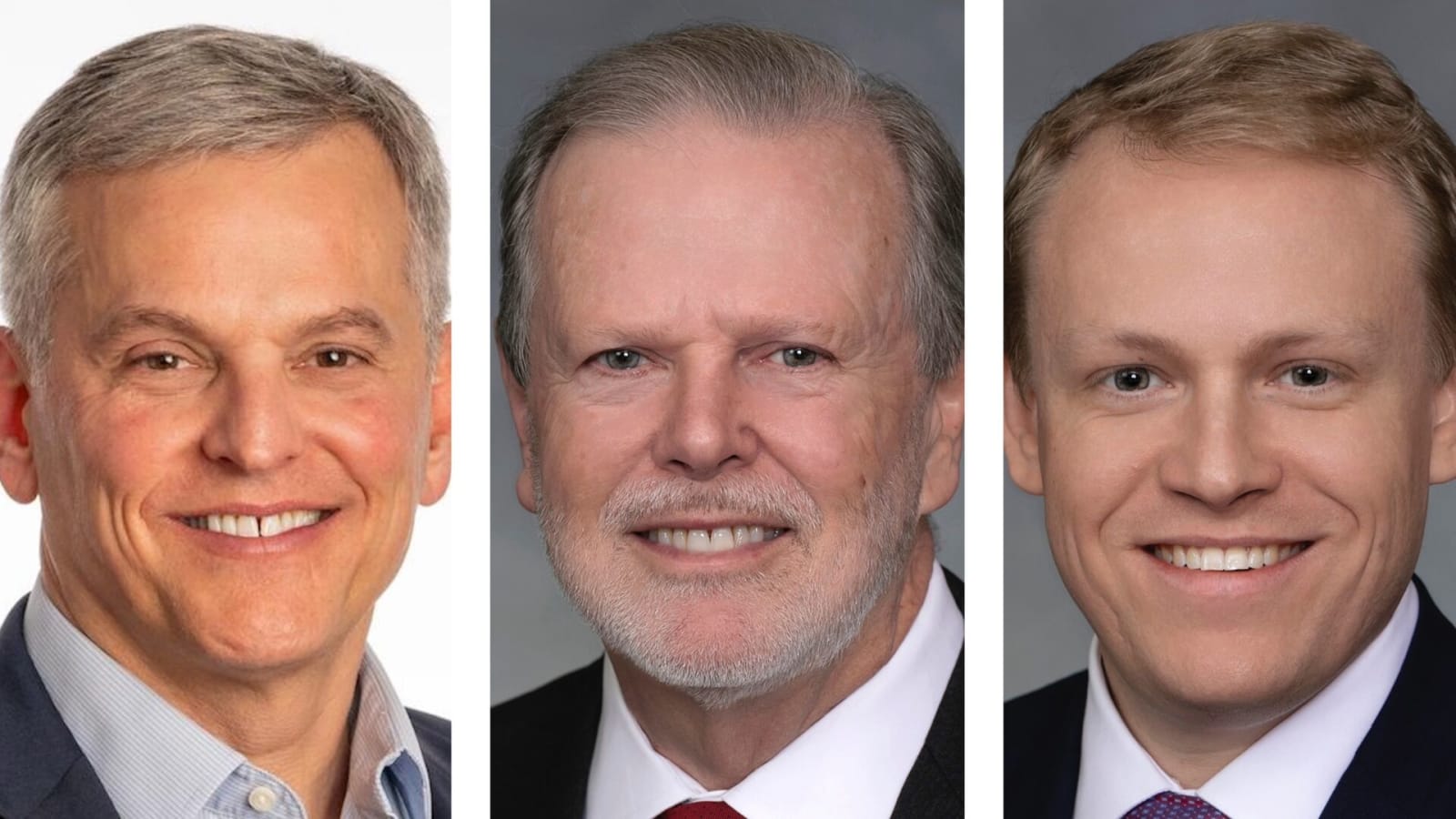
North Carolina’s General Assembly is set to begin voting on overriding several of Governor Josh Stein’s vetoes starting Tuesday. These include bills related to the Second Amendment, immigration policy, and diversity, equity, and inclusion (DEI) initiatives. The legislative session has become a focal point for political tensions, with Republican leaders expressing strong opposition to Stein’s decisions.
Senate President Pro Tempore Phil Berger, a long-time Republican from Rockingham County, criticized Stein’s actions as being out of touch with the people of North Carolina. He emphasized that the Senate would also consider a bill implementing President Donald Trump’s school choice tax credit program. Berger accused the governor of tolerating criminal illegal aliens, promoting divisive DEI concepts in schools, and infringing on Second Amendment rights. He pledged to lead the Senate Republicans in overriding these vetoes to prioritize the needs of North Carolina families.
In the House of Representatives, Speaker Destin Hall, also a Republican from Caldwell, echoed similar sentiments. He stated that Stein is siding with criminal illegal aliens and radical elements of his party over the safety and security of residents. Hall assured that the House would act swiftly to override the governor’s veto.
Governor Stein has vetoed 14 bills, with seven from each chamber. To override a veto, a three-fifths majority of those present and voting is required. With Republicans holding majorities of 30-20 in the Senate and 71-49 in the House, the party needs just one Democratic vote in the House to reach the threshold.
Historically, lawmakers have sometimes changed their votes during override sessions. During the last two-year legislative session, 19 of 20 Democratic senators altered their votes at least twice, while only one Democrat never did. In the House, 32 of 48 Democrats and two of 72 Republicans changed their votes at least once. Republican leaders like Berger and former Speaker Tim Moore previously achieved a 52-for-52 success rate in overriding vetoes.
Several key bills are under consideration for override:
-
Firearms Rights: Two bills, Freedom to Carry NC (Senate Bill 50) and Firearm Law Revisions (House Bill 193), address permitless carry and carrying weapons in nonpublic schools or places of worship. The Senate passed the permitless carry bill along partisan lines, while the House had no Democratic support. For the revisions, a few Democrats supported the measure, but no Republicans opposed it.
-
Immigration Policy: The Criminal Illegal Alien Enforcement Act (HB318) and North Carolina Border Protection Act (SB153) aim to strengthen immigration enforcement. Both bills saw party-line voting, with no Republican opposition.
-
DEI Policies: Three bills—Equality in State Agencies/Prohibition on DEI (HB171), Eliminating “DEI” in Public Education (SB227), and Eliminating “DEI” in Public Higher Education (SB558)—target DEI initiatives. Voting was largely along party lines, with minimal cross-party support.
-
Charter School Changes (SB254): This bill alters the authority between the State Board of Education and the Charter Schools Review Board. While most Republicans supported it, some took excused absences, and the House saw bipartisan support.
-
Gender Policy: Prevent Sexual Exploitation/Women and Minors (HB805) includes defining two sexes in alignment with an executive order. A small number of Democrats supported the bill, but no Republicans opposed it.
-
Limit Rules With Substantial Financial Costs (HB402): Formerly known as the NC REINS Act (SB290), this bill requires legislative approval for regulations costing over $20 million. No Republicans opposed it, though some Democrats supported it.
-
Privacy in Nonprofit Donations: Personal Privacy Protection Act (SB416) aims to protect donor privacy. Some Republicans took excused absences, while a few Democrats supported it.
-
Clarify Powers of State Auditor (HB549): This bill expands the state auditor’s investigative powers. Support came from both chambers, with no Republican opposition.
-
Power Bill Reduction Act (SB266): This bill eliminates the interim date for carbon reduction by certain electric utilities, potentially saving billions. It received broad support, with some excused absences.
-
Expedited Removal of Unauthorized Person (HB96): This bill addresses the expedited eviction of squatters. The Senate passed it unanimously before a late amendment, which Stein opposed. In the House, 17 Democrats supported it, while 10 Republicans took excused absences.
With these key issues at stake, the upcoming override votes will be closely watched as they reflect broader ideological divides within the legislature.

Post a Comment for "Scorecard: Key Votes Loom on Guns, Immigration, and Diversity"
Post a Comment