Scientists Turn Nuclear Waste Into Energy Source
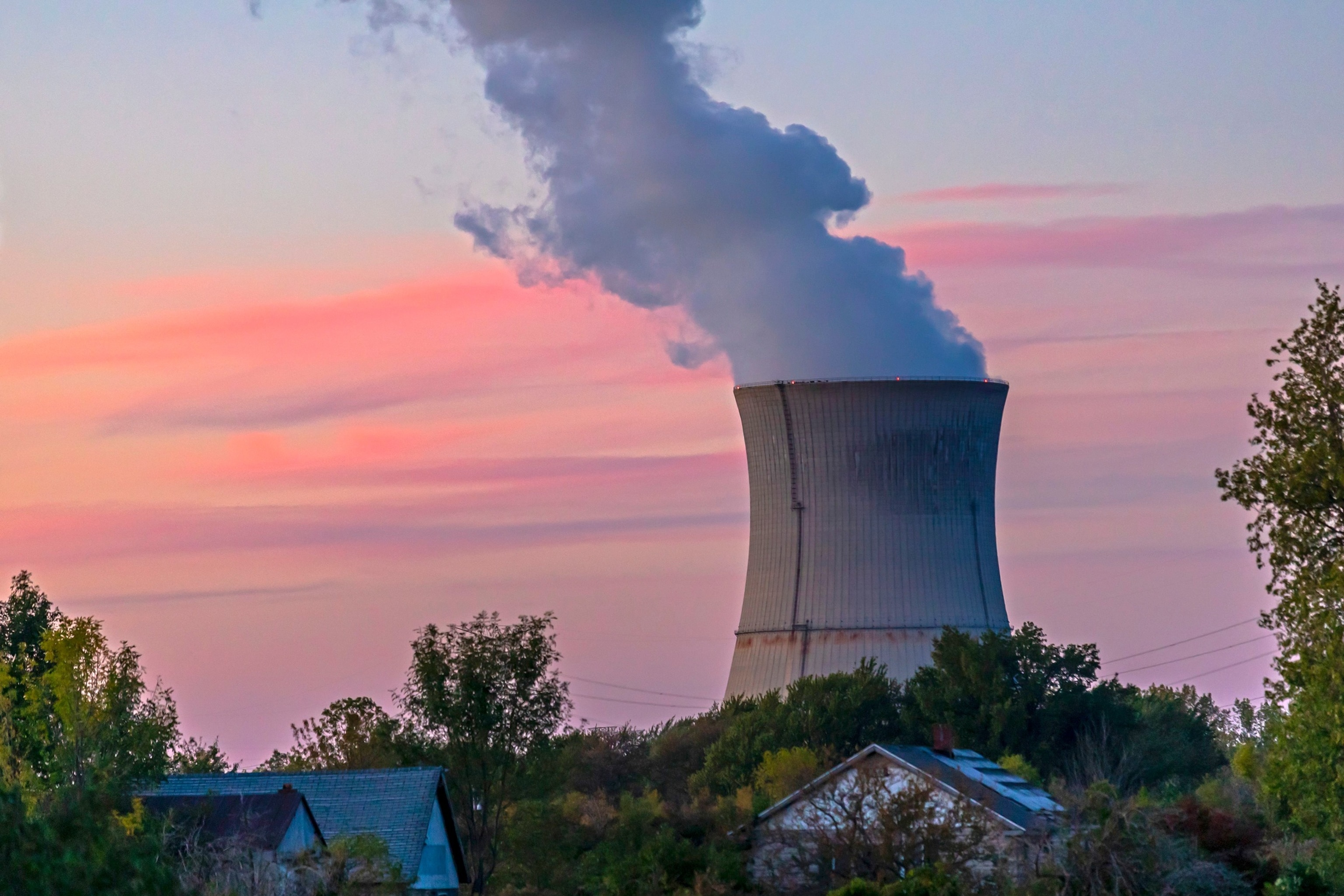
The Potential of Nuclear Waste in Advancing Clean Energy
Nuclear fission, the process that powers nuclear reactors, is known for its ability to generate a significant amount of energy. However, it also results in radioactive waste, which poses serious environmental and safety risks. Now, researchers are exploring an innovative way to address this issue by using nuclear waste to support the development of cleaner energy sources.
Nuclear fusion, the process where atomic nuclei combine to form heavier elements and release energy, holds great promise as a sustainable energy source. According to the American Chemical Society (ACS), fusion has the potential to provide vast energy supplies while producing minimal greenhouse gas emissions. Despite its benefits, commercial fusion is still in the early stages of development and requires a rare and expensive form of hydrogen called tritium.
Current Challenges in Nuclear Energy Production
Nuclear power plants currently generate electricity through nuclear fission, a process in which atoms of plutonium or uranium are split to release neutrons. These neutrons then cause more atoms to split in a chain reaction, generating heat that is used to produce steam and drive turbines. According to the U.S. Department of Energy, this process is housed and controlled within nuclear reactors. However, the fission process also produces nuclear waste that can remain dangerously radioactive for thousands of years, according to the U.S. Nuclear Regulatory Commission. This waste must be carefully stored to prevent environmental contamination.
Understanding Nuclear Fusion
Unlike fission, nuclear fusion generates energy by forcing atomic nuclei together, similar to how stars like our sun produce energy. While fusion does create some radioactive waste, it is far less dangerous and much shorter-lived than the waste from fission, according to the International Atomic Energy Agency. This makes fusion a more environmentally friendly and safer energy option.
On Earth, achieving fusion is significantly more challenging. The first man-made fusion reaction to produce more energy than it consumed occurred just two-and-a-half years ago. It required deuterium and tritium—both forms of hydrogen—to fuel the process. Deuterium is readily available, but tritium is scarce. According to Los Alamos physicist Terence Tarnowsky, the total tritium inventory on the planet is about 55 pounds, making it extremely valuable at around $15 million per pound.
The Role of Nuclear Waste in Tritium Production
Tarnowsky, who will present his findings at the ACS fall meeting, believes there is a way to increase tritium supplies by utilizing the thousands of tons of nuclear waste currently stored in the U.S. He has conducted multiple computer simulations to evaluate the potential production and energy efficiency of tritium reactors. These reactors use a particle accelerator to initiate a process that ultimately produces tritium.
Using a particle accelerator offers additional safety benefits, as it allows operators to turn reactions on or off, unlike the continuous chain reactions in traditional nuclear power plants. According to the simulations, these reactors could produce about 4.4 pounds of tritium per year, which is comparable to the total yearly output from all of Canada's fission reactors. The system would require about one gigawatt of energy, equivalent to the annual energy needs of approximately 800,000 U.S. homes.
Future Implications and Cost Considerations
Tarnowsky plans to calculate the cost of tritium following more detailed assessments of the proposed tritium reactors. He emphasizes that energy transitions are costly, and any advancements that make the process easier should be pursued. By repurposing nuclear waste into a valuable resource, this approach could significantly impact the future of clean energy production and reduce the environmental burden associated with nuclear waste.

Post a Comment for "Scientists Turn Nuclear Waste Into Energy Source"
Post a Comment