Scientists Stunned by 40 New Species Found in Deep-Sea Mission
The Deep Sea Captivates Millions
When the Schmidt Ocean Institute shares footage from its deep-sea dives, it rarely generates much attention outside of the marine science community. Typically, these videos receive around 4,000 views. However, during a recent three-week livestream of an expedition to Argentina’s Mar del Plata Canyon, the videos amassed over 17.5 million views.
“This has been incredible to see how people of all ages have connected with the deep sea,” said Dr. Martín Brogger, a member of the science team. He works for CONICET, the National Scientific and Technical Research Council, and the Instituto de Biología de Organismos Marinos. Brogger noted that his team was overwhelmed by the support they received.
“We received hundreds of messages from families, teachers, and kids who felt inspired, surprised, and even emotional while watching the live broadcasts,” he shared. Some young students told them they now dream of becoming marine biologists—an impact that goes beyond science, creating a shared sense of wonder and curiosity that can last a lifetime.
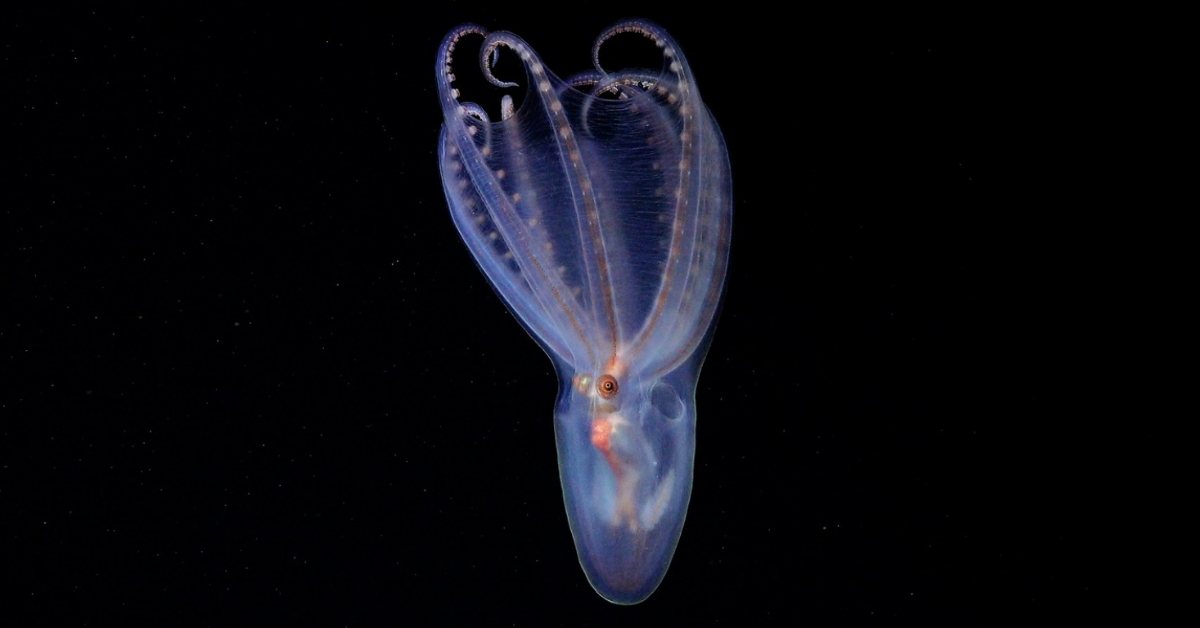
To explore the Mar del Plata Canyon, which is twice the size of the Grand Canyon, the team used their Remotely Operated Vehicle, SuBastian. It dove to depths of more than 3,500 meters. The stunning footage revealed dancing telescope octopuses, lurking lanternfish, clusters of “Barbie” pink lobsters, and many other fascinating creatures.
“This cruise underscores the power of ocean exploration and science in igniting the imagination,” said Dr. Jyotika Virmani, Executive Director of the Schmidt Ocean Institute. She mentioned that it was inspiring to see Argentinians fall in love with their own deep sea and expressed gratitude to the science team for balancing the demands of seagoing science with their passion for sharing their research with millions.
Outside of Argentina, the livestream went viral for another reason: a vibrant, pink starfish that resembled a certain cartoon character. This unexpected moment captured the attention of viewers worldwide.
The researchers estimated that the expedition may have uncovered evidence of nearly 40 potential new species, including never-before-seen sea anemones, sea cucumbers, sea urchins, snails, corals, and crinoids, among others. However, detailed taxonomic work is needed to confirm their status.
As the researchers move into the next phase of discovery, they are celebrating the success of their livestream and the curiosity it has sparked. “The deep sea and its awe-inspiring life—from bright corals to mesmerizing octopuses—has captivated an entire nation, thanks to a team of passionate scientists and the millions of people watching their work via livestream,” said Wendy Schmidt, co-founder and president of the Schmidt Ocean Institute.
“Argentina is showing the world the power of deep-sea exploration to not only spark wonder but to remind us how much of our planet remains to be discovered and protected.”
Key Highlights from the Expedition
- Mar del Plata Canyon: Twice the size of the Grand Canyon, this underwater canyon provided a unique environment for exploration.
- SuBastian: The Remotely Operated Vehicle enabled the team to dive to depths of over 3,500 meters.
- Unique Species: The expedition potentially identified nearly 40 new species, including rare marine life like “Barbie” pink lobsters and telescope octopuses.
- Public Engagement: The livestream attracted over 17.5 million views, demonstrating the public's growing interest in ocean exploration.
- Educational Impact: Many young viewers were inspired to consider careers in marine biology, highlighting the importance of science communication.
Future of Deep-Sea Exploration
With the success of this expedition, the Schmidt Ocean Institute is looking ahead to future missions. The institute continues to emphasize the importance of ocean exploration and the role it plays in inspiring the next generation of scientists. By making deep-sea discoveries accessible to the public, they aim to foster a greater appreciation for the mysteries of the ocean.
As technology advances, so too does the potential for uncovering more of the Earth's unexplored regions. Each new discovery adds to our understanding of the planet and reinforces the need for conservation efforts. The Mar del Plata Canyon expedition serves as a powerful reminder of the vastness of the ocean and the wonders that still lie beneath the surface.

Post a Comment for "Scientists Stunned by 40 New Species Found in Deep-Sea Mission"
Post a Comment