Scientists Place 200,000 Rare Oysters in Underwater Shipwreck
A New Hope for the European Flat Oyster
European flat oysters were once a common sight in the North Sea, playing a crucial role in maintaining the health of marine ecosystems. However, over the past century, human activities have led to their near disappearance. Now, scientists are taking innovative steps to bring these mollusks back and restore the vital functions they provide.
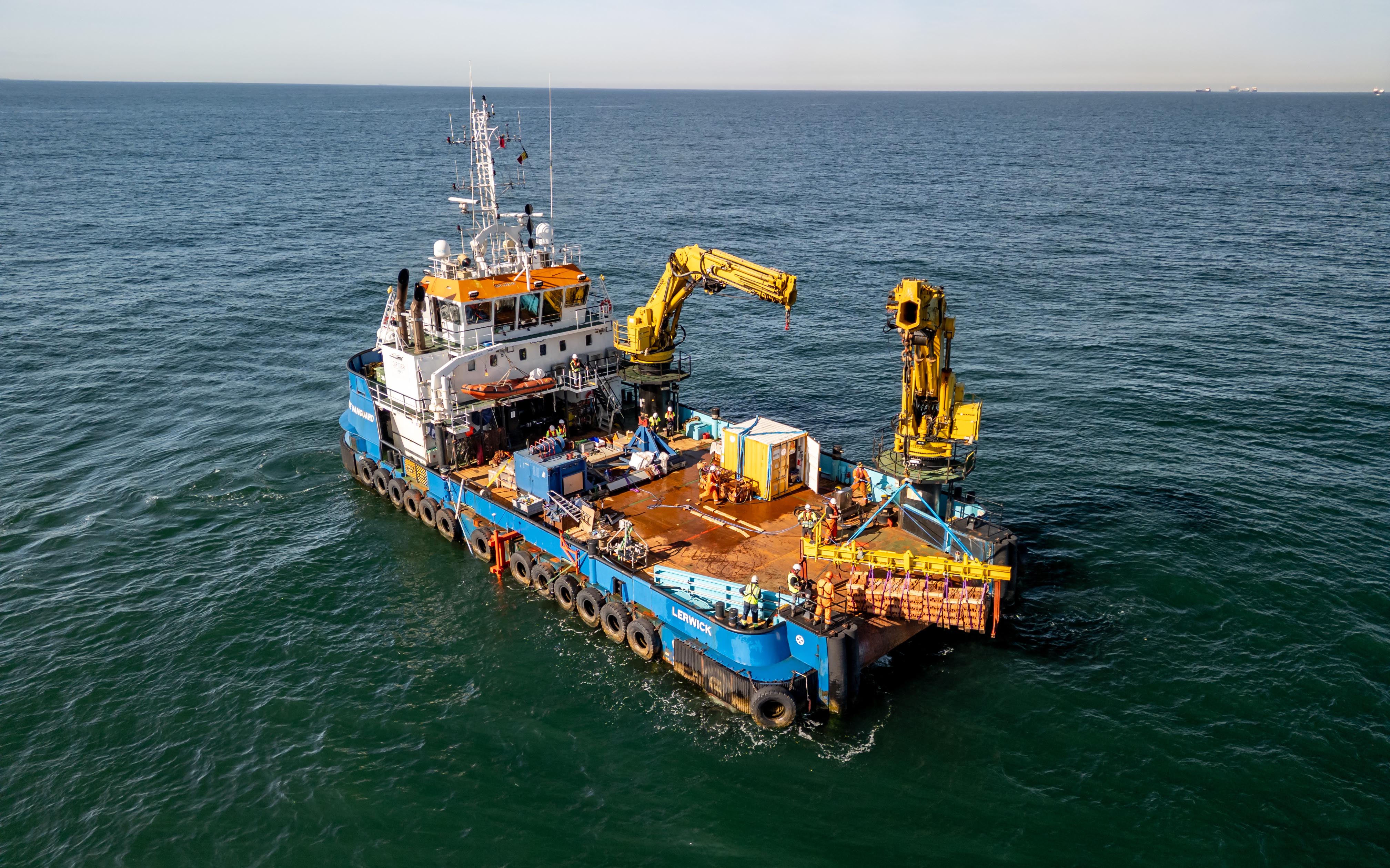
In early July, researchers took an unusual approach by depositing 200,000 larvae of the European flat oyster (Ostrea edulis) into the hull of a shipwreck off the coast of Belgium. This initiative is part of a larger project called Belreefs, which aims to create long-term nature restoration without further human intervention.
Flat oysters are often referred to as “ecosystem engineers” due to their ability to build reefs that serve as shelter for various marine animals. These reefs also help in water purification, nitrogen fixation, and protecting the seabed from erosion. Despite their importance, only about 30,000 of the 200,000 larvae are expected to survive the first year. However, the project’s organizers remain optimistic that those that do will start reproducing, leading to a self-sustaining reef.
The Belreefs Project
The Belreefs project has been a collaborative effort involving scientists, government officials, and industry partners. It has received funding from both the Belgian government and the European Union. The project's location is a shipwreck known as the Kilmore, which sank in 1906. This wreck lies approximately 20 miles from Ostend, a coastal city in northwest Belgium, and is situated 100 feet below the surface on gravel beds that historically supported oyster reefs.
“This site is ideal because it is closed to fishing and other disruptive activities,” explains Merel Oeyen, a marine environment policy advisor with the Belgian health ministry. “It’s also a hotspot for biodiversity.”
Prior to the 1850s, flat oysters and their reefs were prevalent throughout European waters. Their decline began in the late 19th century due to overfishing and other activities that disturbed the sea floor. The situation worsened when a parasite called Bonamia ostreae was introduced around 1979, likely from California. This parasite nearly eradicated the remaining flat oyster populations in France, the Netherlands, and Belgium.
Restoration Efforts
Conservationists are now working to restore Europe’s flat oyster populations and their reefs. While the task is challenging, the organizations involved in the Belreefs project remain hopeful about its success.
Once the larvae are in place, organizers plan to monitor the project extensively over several years to understand how and where the oysters impact the marine ecosystem. If the pilot project proves successful, officials hope to expand the efforts to other parts of the North Sea and beyond.
“Deploying young oysters is an investment in biodiversity and climate resilience,” says Annelies Verlinden, Belgium’s minister of justice. “Projects like Belreefs help us achieve our goal to restore at least 20 percent of our North Sea ecologically by 2030.”
The North Sea is not only a key economic engine but also a unique natural environment that must be safeguarded. By restoring the European flat oyster population, the Belreefs project is taking a significant step toward preserving the region’s ecological balance and ensuring a sustainable future for marine life.

Post a Comment for "Scientists Place 200,000 Rare Oysters in Underwater Shipwreck"
Post a Comment