Scientists discover breakthrough to halt breast cancer spread
A New Approach to Stopping Breast Cancer Spread
Scientists have made a significant breakthrough in the fight against breast cancer by targeting the fundamental processes that allow the disease to spread throughout the body. This discovery could lead to new and more effective treatments, offering hope for patients facing this challenging condition.
The research focuses on how cancer alters the metabolism of immune cells, leading them to release a substance called uracil. This metabolite plays a critical role in helping distant organs form a "scaffold" that supports the growth of secondary tumors. By blocking an enzyme known as uridine phosphorylase-1 (UPP1), which is responsible for producing uracil, scientists were able to prevent this scaffold from forming in mice. As a result, the immune system regained its ability to destroy secondary cancer cells, effectively stopping the spread of the disease.
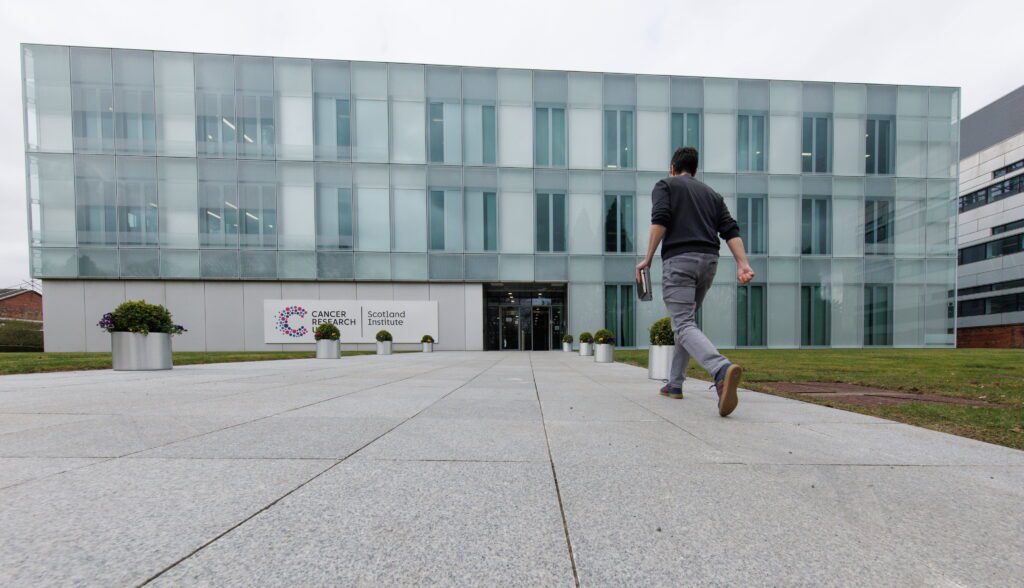
This groundbreaking work was conducted by researchers at the Cancer Research UK Scotland Institute and the University of Glasgow, led by Professor Jim Norman and Professor Karen Blyth. Their findings highlight the potential of targeting metabolic changes early in the progression of cancer, which could significantly improve patient outcomes.
Early Detection and Intervention
One of the most promising aspects of this research is the possibility of detecting uracil in the blood, which could serve as an early indicator of cancer spread. If detected early, this could open the door to interventions that block UPP1 using drugs, preventing the spread before it begins.
Dr. Cassie Clarke, the study’s lead researcher, emphasized the importance of this discovery: “This study represents a major shift in how we think about preventing the spread of breast cancer. By targeting these metabolic changes as early as possible, we could stop the cancer from progressing and save lives.”
The research, published in the journal Embo Reports, identified key metabolic changes that occur in the body before cancer spreads. These changes offer a crucial window for intervention, allowing therapies to target cancer cells before they can move and establish new tumors elsewhere in the body.
The Impact of Metastasis
Metastasis—when cancer spreads beyond its original site—is one of the most significant challenges in treating breast cancer. It often makes the disease more difficult to manage, especially if it returns months or even years after initial treatment. According to Dr. Catherine Elliott, Director of Research at Cancer Research UK, “Discoveries in cancer research have made huge strides in making breast cancer a far more treatable disease than ever before. However, metastasis remains a major factor in the difficulty of treating the disease, particularly when it recurs.”
In the UK, around 56,800 people are diagnosed with breast cancer each year, and approximately 11,300 lose their lives to the disease annually. While advances in treatment have improved survival rates, once cancer spreads, it becomes much harder to control. Understanding the mechanisms behind metastasis is essential for developing strategies that prevent the disease from becoming unmanageable.
Future Research and Potential Treatments
The research team is now exploring how UPP1 influences the behavior of immune cells and the role of immune cell metabolism in the early stages of breast cancer. They are also testing drugs that block immune cell metabolism to see if they can prevent cancer from developing in the first place.
Simon Vincent, Chief Scientific Officer at Breast Cancer Now, highlighted the significance of the findings: “This is an exciting piece of joint research that expands our understanding of how secondary breast cancer develops. The researchers discovered that high levels of a protein called UPP1 may make some cancers, including breast cancer, more likely to spread to other parts of the body, where the disease becomes incurable.”
In experiments on mice, targeting UPP1 before secondary breast cancer developed resulted in fewer secondary tumors and a stronger immune response in the lungs. While more research is needed to translate these findings into human treatments, the potential for new drugs that can stop secondary cancer is promising.
With over 61,000 people living with secondary breast cancer in the UK, research like this is vital. It offers a glimpse into a future where early detection and targeted therapies could dramatically improve outcomes for patients and reduce the burden of this devastating disease.

Post a Comment for "Scientists discover breakthrough to halt breast cancer spread"
Post a Comment