School Funding and Child Welfare Delayed as Budget Deadlock Persists
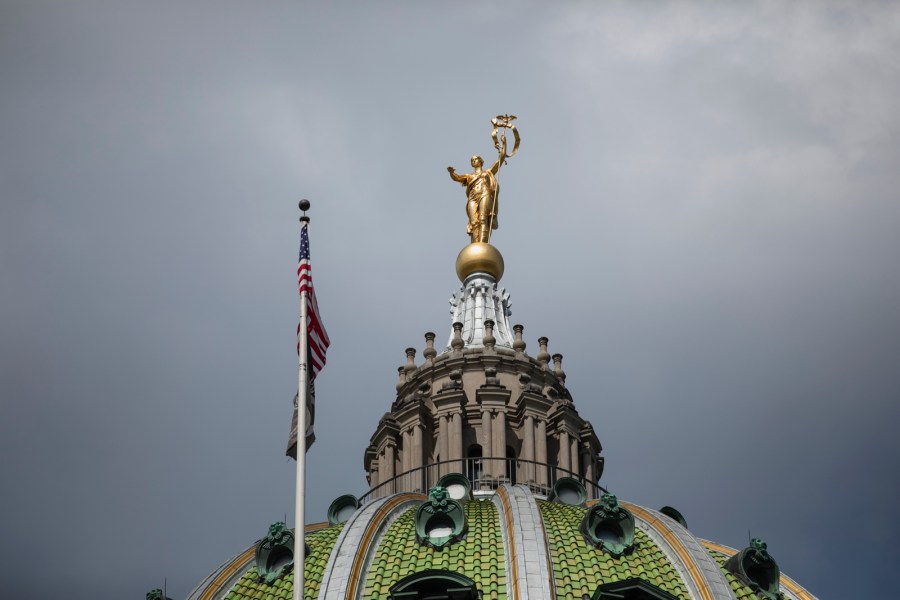
Pennsylvania Faces Major Funding Delays Due to Budget Impasse
Pennsylvania is facing a significant financial challenge as the state government is unable to make at least $2.5 billion in payments to schools, counties, and key service providers. This situation has been highlighted by a top official in the Shapiro administration, who warned that delays in funding will continue for the next six weeks.
In two letters viewed by Spotlight PA and signed by Secretary of the Budget Uri Monson, the administration informed various service providers, including tech schools, libraries, ambulance services, and homeless shelters, about the upcoming payment delays. Monson emphasized that while negotiations are ongoing and the dialogue remains respectful and productive, reaching an agreement has proven to be a slow process.
The letters specifically mentioned that $2 billion in education funding will face delays, with most of this amount consisting of delayed monthly payments to school districts. Additionally, $542 million in health and human services funding is also at risk, primarily affecting county child welfare offices.
Monson concluded both letters by stating that once a budget bill is delivered to the Governor’s desk for his signature, the administration will work expeditiously to distribute the funds to the affected providers.
Legislative Deadlock and Budget Challenges
Pennsylvania lawmakers were originally expected to finalize the budget by June 30. However, they have been unable to reach an agreement due to deep disagreements over state spending. Democratic Governor Josh Shapiro proposed a $51.4 billion budget in February, which is an increase from the previous year's $48.3 billion. The proposed increase aims to address rising Medicaid costs and provide continued aid to poor school districts, as well as more funding for mass transit.
However, Republicans who control the state Senate have opposed this increase. The proposed spending exceeds the state’s likely revenues for the next year. To bridge this gap, Shapiro suggested using the state’s substantial cash reserves. Once these reserves are depleted, the state would need to either reduce spending or find new sources of revenue.
Both options have been discussed during negotiations. One approach involves reducing Medicaid patients' eligibility for expensive weight-loss drugs. On the other hand, state House Democrats have introduced a plan to legalize recreational marijuana and tax its sale. In contrast, GOP lawmakers in the state Senate have focused on regulating and taxing slot-like skill games.
Despite weeks of closed-door negotiations, no deal has been reached between the parties. As of Tuesday, neither the state House nor Senate is scheduled to return to Harrisburg until fall.
Impact on Communities and Future Steps
The budget impasse is having a direct impact on communities across Pennsylvania. Schools, counties, and essential service providers are facing uncertainty as they await the resolution of the funding issues. This delay could affect critical programs and services that support vulnerable populations.
As the situation unfolds, it is crucial for stakeholders to remain informed and engaged. The outcome of these negotiations will shape the future of public services and the financial stability of the state. While the path forward remains unclear, the need for a collaborative approach to resolve the budget crisis is evident.
For those interested in supporting investigative journalism and holding power to account, contributions to organizations like Spotlight PA can make a meaningful difference. By supporting such efforts, readers can help ensure that important stories continue to be told and that accountability remains a priority in public discourse.

Post a Comment for "School Funding and Child Welfare Delayed as Budget Deadlock Persists"
Post a Comment