Scared of Deportation, International Students Stay Quiet at California Campuses
The Impact of Executive Orders on International Students in the U.S.
International college students in the United States are facing a new reality where freedom of speech is not as guaranteed as they once believed. After President Donald Trump’s second term began, hundreds of international students lost their student status due to an executive order aimed at addressing immigration and alleged antisemitism. Although many have had their status reinstated through lawsuits since April, the lingering uncertainty has created a climate of fear among these students, particularly within the University of California (UC) system, where international students make up 13.6% of enrollment as of Fall 2024.
This fear has led some students to alter their behavior on campus. They are avoiding free speech areas, changing the topics of their research projects, and scrubbing social media posts to limit political activism. These changes reflect a growing concern about how their actions might be used against them.
The fear started spreading in late January when the White House released a fact sheet about Trump’s Executive Order 14188, “Additional Measures to Combat Anti-Semitism.” The document stated that “resident aliens who joined in the pro-jihadist protests” would face consequences. It also mentioned canceling visas for “Hamas sympathizers” on college campuses.
High-profile arrests of international students, such as Mahmoud Khalil at Columbia University and Rümeysa Öztürk at Tufts University, have further heightened concerns. While both were eventually released, the detentions have left many students questioning how their actions could be interpreted against them.
In addition, U.S. Secretary of State Marco Rubio recently announced that the U.S. would start “aggressively” revoking Chinese student visas, particularly those with ties to the Chinese Communist Party or studying in fields considered “critical.”
Federal officials have not provided details on how many students had their status revoked or which campuses they attended. However, Inside Higher Ed compiled reports of more than 1,800 students nationwide, including over 200 in California, whose statuses were revoked in the spring.
Chilling Speech and Activism
International students interviewed for this story have chosen not to reveal their names or areas of study due to fears of being identified and having their status revoked for speaking publicly. At UC Berkeley, a sophomore shared how her involvement in campus activism changed after seeing international students lose their visas. She now participates in student club meetings to speak more privately.
Another junior from the UK expressed relief at not being involved in recent protests, fearing potential consequences if photographed near a protest. A graduate student at another UC campus faced pressure to remove parts of his research project related to the Israel-Hamas war, citing concerns about faculty reactions.
Balancing Jewish Student Support and Due Process
Trump’s executive order promises to protect the civil rights of Jewish citizens, who have faced harassment and threats on college campuses. Shir, a UC Irvine Jewish student, believes that students celebrating terror should have their status evaluated but emphasizes the importance of not overstepping legal boundaries.
Raquel Aldana, a law professor at UC Davis, notes that the Trump administration’s language around antisemitism is broad and could target foreign students. The administration’s antisemitism task force is investigating allegations at several campuses, including UCLA and UC Berkeley.
Travel Restrictions and Ethical Dilemmas
Three UC campuses have warned international students to be cautious about traveling outside the U.S. During spring break, students received emails cautioning them about the risks of leaving the country. At UC Berkeley, a student described the disappointment of not being able to return home during breaks.
For summer break, UC Berkeley’s International Office issued warnings about travel restrictions. The White House’s Presidential Proclamation restricted entry from 19 countries, prompting recommendations for students from those countries not to leave the U.S.
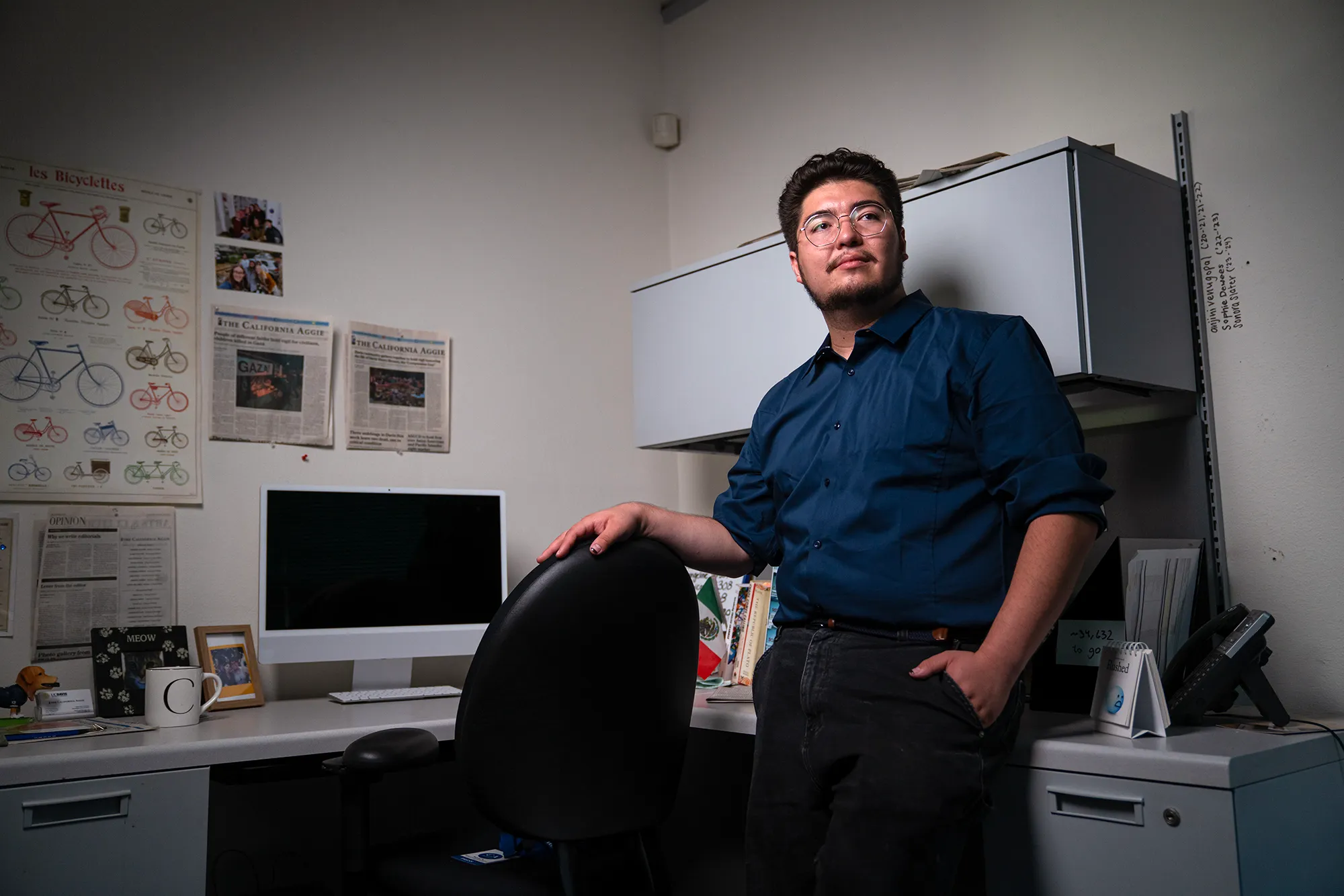
Student newspapers are also facing ethical dilemmas. The Stanford Daily is challenging the Trump administration’s policies by suing over immigration laws that allow visa revocations for protected speech. Editors of student publications have taken steps to protect students, such as removing names from articles upon request.
Advocacy and Resilience
Despite the fears, international students emphasize the importance of advocating for themselves and each other. A UC Berkeley sophomore encourages students to take precautions while still standing up for their rights. “If we back down, change will never happen,” she said.
These experiences highlight the complex challenges international students face in navigating the current political climate in the U.S.

Post a Comment for "Scared of Deportation, International Students Stay Quiet at California Campuses"
Post a Comment