SAN's Terminal 1 to Be Replaced After 58 Years in September
A Glimpse into the Past and Future of San Diego International Airport
The Super Bowl, the term "tween," and Terminal 1 at the San Diego International Airport all share a common origin: 1967. This year marked the opening of Terminal 1, a structure that has served as a vital hub for travelers for over half a century. Rob Winn, 69, recalls being a tween when the terminal first opened and expressed satisfaction with its performance. He noted that while he hasn’t explored the new terminal, which is set to open in phases starting in September, he feels the current facility has been adequate for his needs.
The existing Terminal 1, which currently operates with 14 gates, will be demolished after the completion of the first phase of the new terminal. This modern facility promises to be more attractive, efficient, and spacious, featuring 19 gates. The project also includes 30 restaurants and stores, along with various public art installations. One standout piece is a large jellyfish sculpture by artist Matthew Mazzotta located in the concourse. Additionally, two abstract sculptures by Walter J. Hood, one of which stands 40 feet tall, are being constructed near the entry-ramp to the new terminal’s ground transportation plaza, which opened on July 16.
To support the increased traffic expected with the new terminal, the airport has also introduced a new three-lane roadway that will provide a direct, high-capacity route to Terminals 1 and 2. A parking plaza with over 5,200 spaces was finalized in June, and the second phase of the new terminal, which will add 11 more gates, is scheduled for completion in 2028.
The need for the new terminal stems from the growing number of passengers using the airport. In 2024, over 25 million travelers passed through San Diego International Airport, compared to just 2.5 million when Terminal 1 first opened. The airport estimates that by 2035, annual passenger numbers will rise to 39 million, which the new terminal will be designed to accommodate.
The new Terminal 1 project is managed by the San Diego County Regional Airport Authority, which oversees the airport's operations and long-term planning for regional air travel. The project, costing $3.8 billion, is funded through airline leases, operating agreements, and federal grants, including $75 million from the 2021 Infrastructure Investment and Jobs Act’s Airport Terminals Program.
The airport authority has also committed to implementing public transit infrastructure projects proposed by SANDAG, the county’s planning agency. These efforts aim to enhance connectivity and accessibility for travelers.
Architectural Legacy of Terminal 1
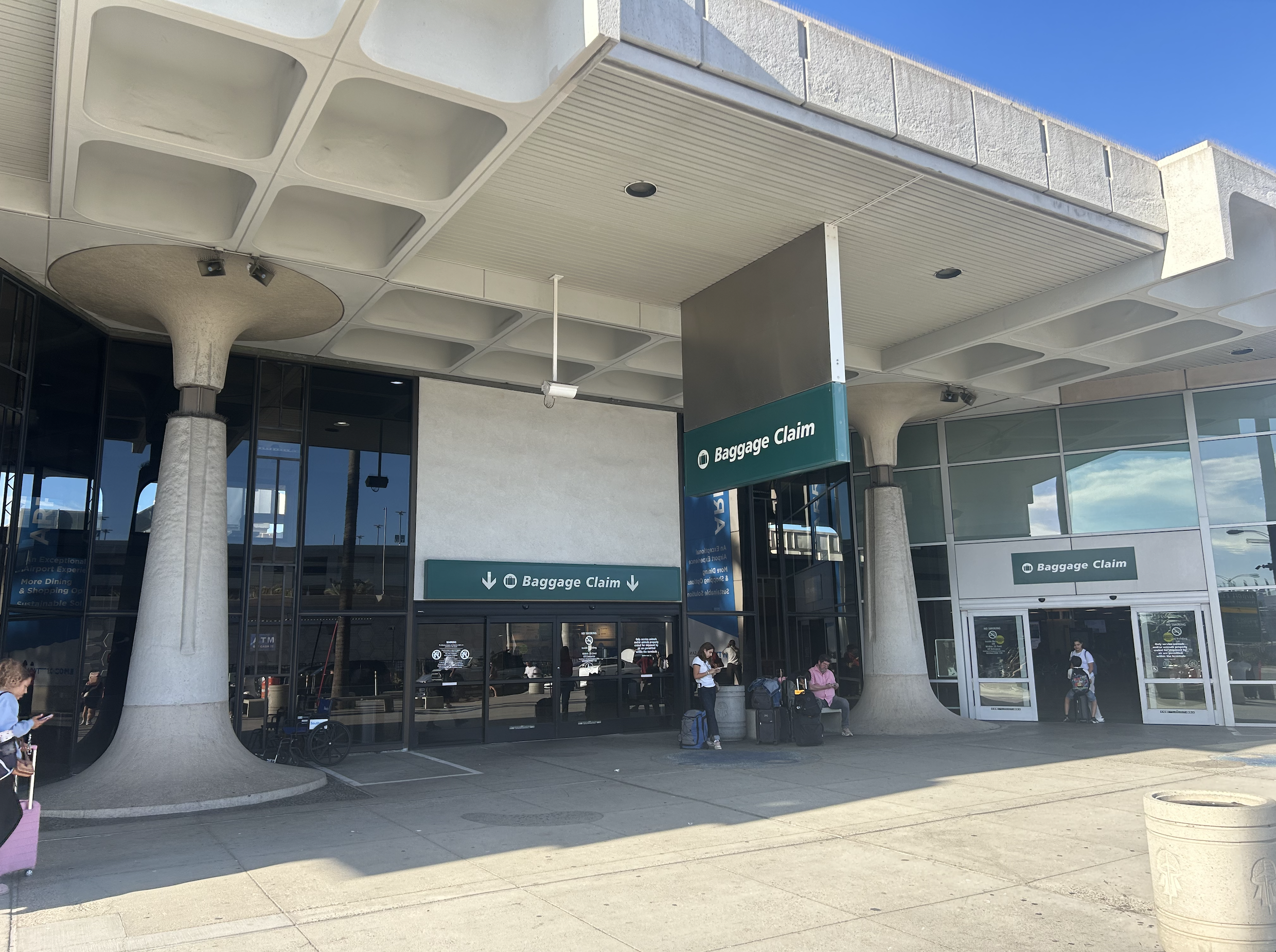
The original Terminal 1 showcases a unique architectural style known as Brutalism, characterized by raw concrete and imposing, blocky shapes that reflect the design trends of its time. According to Joseph Barden, the architect who wrote an essay on the terminal's design, Terminal 1 was built before jet bridges became common, during the era when commercial aviation was becoming mainstream in America.
Barden notes that the terminal features two-story rotundas, which were beneficial for parking multiple airplanes on a diameter. However, he explains that the space required for increased passenger seating, restrooms, and amenities made the rotunda configuration less favorable for later terminal designs.
Brutalism, as defined by a professional society for architects, often includes unusually shaped buildings with rough surfaces that amplify their size and power. The waffle-pattern in the concrete facade and overhang of Terminal 1 serves as an inviting element for travelers waiting in the forecourt.
According to Barden, the thin, tree-like columns supporting the overhang create what he describes as “a large canopy for solar shade.” The design of Terminal 1 also draws inspiration from Frank Lloyd Wright’s Johnson Wax Headquarters, which features similar dendriform columns. The Johnson Wax Headquarters is known for combining traditions of communal organization with contemporary materials and structures to shelter new social and economic activities.
The Frank Lloyd Wright Foundation highlights that the architect practiced “radical conservatism” by looking to the past while imagining new possibilities. This philosophy is evident in both the Johnson Wax Headquarters and the original Terminal 1, where innovative design elements coexist with traditional influences.

Post a Comment for "SAN's Terminal 1 to Be Replaced After 58 Years in September"
Post a Comment