San Antonio Schools Sue Social Media Giants Over Student Mental Health Crisis
Growing Concerns Over Social Media’s Impact on Students
More school districts in San Antonio are joining a growing national movement to hold major social media companies accountable for the negative effects their platforms have on students. These districts are part of a class-action lawsuit that accuses companies like Instagram, Facebook, Snapchat, TikTok, and YouTube of exposing young users to harmful content, straining school resources, and contributing to a worsening mental health crisis among youth.
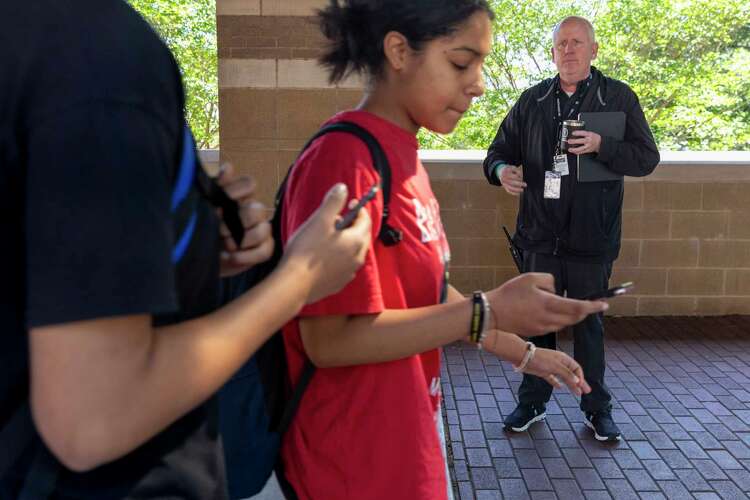
The South San Antonio Independent School District (SSISD) and Edgewood Independent School District (EISD) recently voted to pursue legal action against these tech giants. This decision aligns with over 200 school districts across the United States, including many in Texas, that have already joined the lawsuit filed in a federal court in Northern California. The move comes as Texas schools work to implement new policies to comply with a state law that bans the use of cell phones and other personal communication devices during school hours.
Superintendent Saul Hinojosa of SSISD highlighted how social media has contributed to an increase in bullying and destructive behavior on campus. While he acknowledges the benefits of social media, such as engaging parents in their children's education, he emphasized the need for "guardrails" to ensure it is used responsibly.
Both districts have entered into agreements with local law firms—Laredo-based JCA Law and San Antonio’s Guerra LLP—to represent them in the litigation. Under these agreements, the law firms will only be paid if the districts win the case. If a settlement or judgment is reached, 65% would go to the school districts, while 35% would go to the law firms.
JCA Law’s presentation outlines the goals of the litigation, which include holding social media companies accountable for the rising rates of mental illness, cyberbullying, and harassment among students. The firm also points to issues like reduced academic performance, sleep deprivation, privacy concerns, and algorithms that amplify harmful content related to self-harm, eating disorders, violence, and misinformation.
Northside ISD joined the lawsuit in February, working with law firms such as Thompson & Horton, Eiland & Bonnin, and Hanlon, Demerath & Castillo. Northside seeks both regulation of social media sites and compensation for mental health services. Similarly, Harlandale ISD followed suit in May, hiring the same legal teams as South San and Edgewood.
Before voting to join the lawsuit, trustee Ricardo Moreno noted a significant rise in social-emotional issues linked to social media use. In a complaint filed in March 2024, plaintiffs argue that social media companies have created disruptions in schools, forcing districts to bear financial burdens. These include hiring additional staff to address mental health concerns, diverting resources to educate parents about mental health and attendance problems, investing in physical barriers to limit phone access, training staff to manage social media addiction, and investigating threats pushed by platforms to drive user engagement.
School districts have also had to repair property damaged by viral social media challenges, such as the “Devious Licks” TikTok trend, where students vandalize school bathrooms. California’s Lucia Mar Unified School District reported around $7,000 in damages from the challenge. Hinojosa shared similar experiences at Somerset ISD, where he served as superintendent for 15 years.
The complaint also highlights the impact of widespread social media use on academic performance. Administrators have been forced to develop new teaching strategies, adjust curricula, and offer extra support to accommodate students' changing learning behaviors, such as shorter attention spans and weakened communication skills.
According to a 2022 Pew Research Center survey, up to 95% of people aged 13-17 report using a social media platform. Nearly two-thirds of teenagers use it every day, and one-third say they use it “almost constantly.”
San Antonio school districts have seen firsthand how social media-driven tensions can affect the classroom environment. Retired Churchill High School principal Todd Bloomer previously described spending hours identifying malicious social media accounts that bore the school’s logo. These accounts often spread graphic videos of fights or publicize anonymous comments about students’ appearances and social lives.
Bloomer said identifying the person behind these accounts and getting platforms like Instagram to remove them was “like chasing the bogeyman.” The lawsuit states that administrators often contact social media companies for help but receive little or no assistance. In addition to seeking financial compensation, the plaintiffs want stronger safety measures, improved age verification systems, and modified algorithms to minimize harm.
JCA Law compared the litigation to the lawsuits against Juul, the e-cigarette company accused of targeting middle and high school students. The Juul case resulted in a settlement exceeding $1 billion in December 2022.
School districts are not alone in their efforts to regulate teen social media use. Dozens of states have introduced or enacted legislation to protect children online, including Florida, where those under 14 are prohibited from accessing social media. This year, Texas lawmakers proposed a more comprehensive bill banning minors from creating social media accounts. Although the bill passed easily in the House in May, it missed a deadline to pass in the Senate.

Post a Comment for "San Antonio Schools Sue Social Media Giants Over Student Mental Health Crisis"
Post a Comment