Samantha Bee and Jay Leno: Ratings, Revenue, and 'Lecturing' Led to Colbert's Downfall
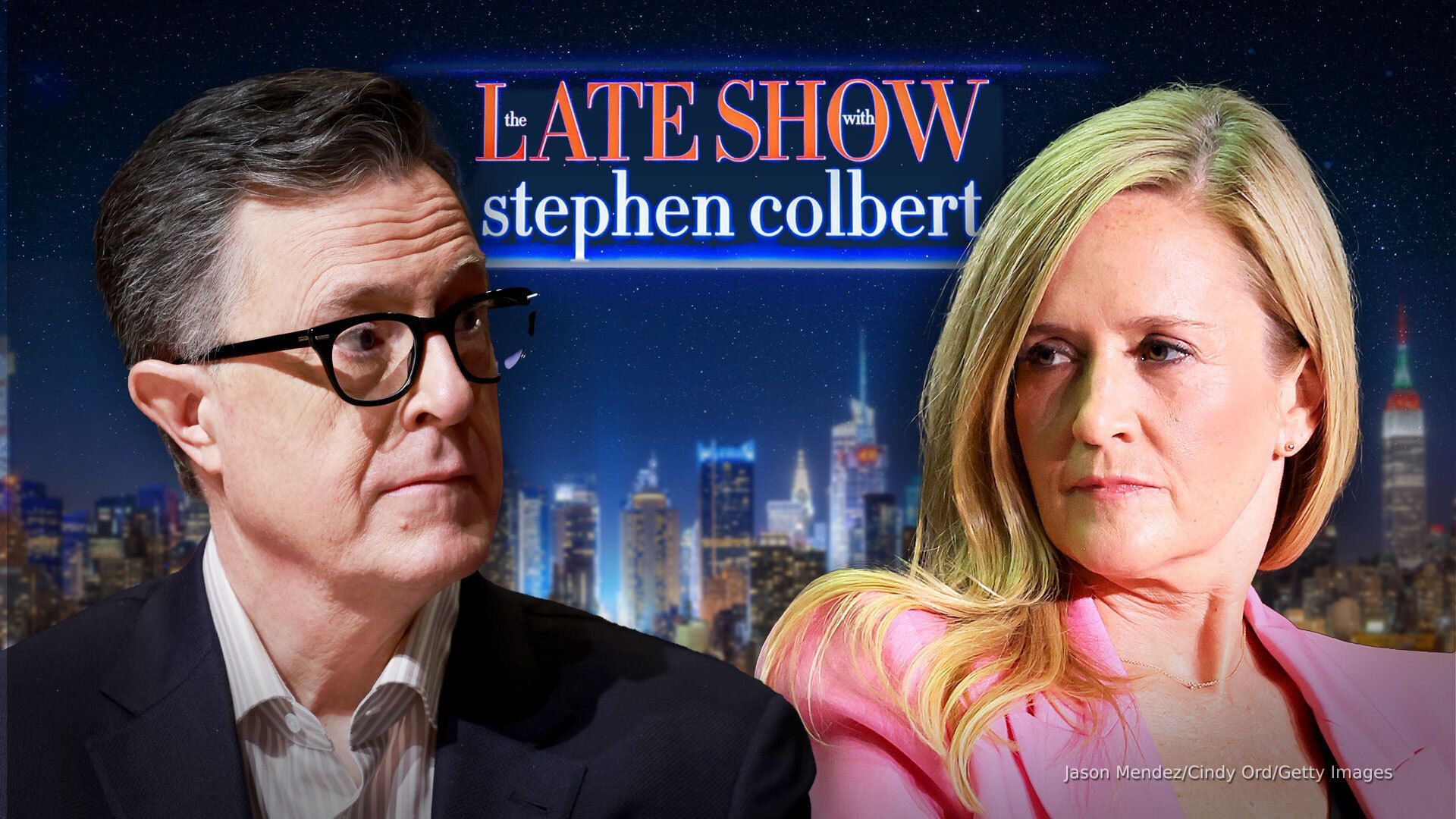
The Decline of "The Late Show with Stephen Colbert"
The recent announcement by CBS that it would cancel "The Late Show with Stephen Colbert" has sparked a lot of discussion about the network's decision. Several former late-night hosts have shared their thoughts, suggesting that factors such as declining revenue, shrinking viewership, and growing political division may have contributed to the move.
Financial Strain on CBS
During a recent appearance on the "Breaking Bread with Tom Papa" podcast, former "Full Frontal" host Samantha Bee commented on the financial challenges facing the show. She claimed that the Colbert program was likely costing CBS a significant amount of money.
"It was definitely hemorrhaging money," Bee said. "These legacy shows … they are hemorrhaging money with no real end to that in sight. People are just not tuning in, even remotely comparatively to how they used to."
Bee also mentioned that the merger between CBS's parent company and Skydance might have made it easier for the network to make the decision. She suggested that the merger created a situation where cutting the show became a "no-brainer."
Multiple media outlets, including The New York Post, Puck News, and The Wall Street Journal, cited CBS insiders who estimated that the show was losing between $40 million and $50 million annually.
Ratings Show a Steep Drop
Nielsen ratings seem to back up Bee’s claims about declining viewership. "The Late Show with Stephen Colbert" peaked with 3.1 million viewers during the 2017–2018 season. By the 2021–2022 season, that number had dropped to 2.1 million. In the most recent 2024–2025 season, which ended in May, the show averaged just 1.9 million viewers.
With more options for late-night viewing, such as streaming services and on-demand clips, overall viewership of network shows has fallen over the last decade. When compared to late-night greats like David Letterman and Jay Leno, the drop-off becomes even more apparent. Letterman reached 7.8 million viewers during his 1994–1995 peak, while Leno averaged 5 million nightly viewers throughout his run from 1999 to 2009.
Jay Leno on the Political Nature of Late Night
Jay Leno also weighed in on the decline of late-night television during a recent appearance with the Ronald Reagan Presidential Foundation & Institute. He suggested that the increasing political focus of the format has contributed to its struggles.
"I like to think people come to a comedy show to get away from the pressures of life," Leno said. "I love political humor, don't get me wrong - but what happens is people end up cozying to one side or the other."
He added that he doesn’t think anyone wants to hear a lecture. "Why shoot for just half an audience all the time? Why not try to get the whole? I don't understand why you would alienate one particular group."
Politics and the Merger
Samantha Bee also suggested that politics might have played a role in the decision to cancel Colbert's show. She pointed out that CBS's new owner, Skydance, needed approval from the Trump administration's Federal Communications Commission to finalize its merger. Given Colbert's long-standing criticism of President Donald Trump, Bee implied the network may have canceled the show as a bargaining tactic.
CBS has denied that politics were involved, stating that the decision was purely financial.
Viewership Spikes After Announcement
After CBS announced that Colbert's show would end next year, there was a temporary spike in viewership, rising 32% to 2.4 million viewers in the days following the news. However, this number still lags behind Colbert's top competitor, Fox News' Greg Gutfeld, who currently leads late night with an average of 3.1 million viewers.

Post a Comment for "Samantha Bee and Jay Leno: Ratings, Revenue, and 'Lecturing' Led to Colbert's Downfall"
Post a Comment