Rubio: Russia Must Gain From Peace Deal as Putin Targets Donetsk
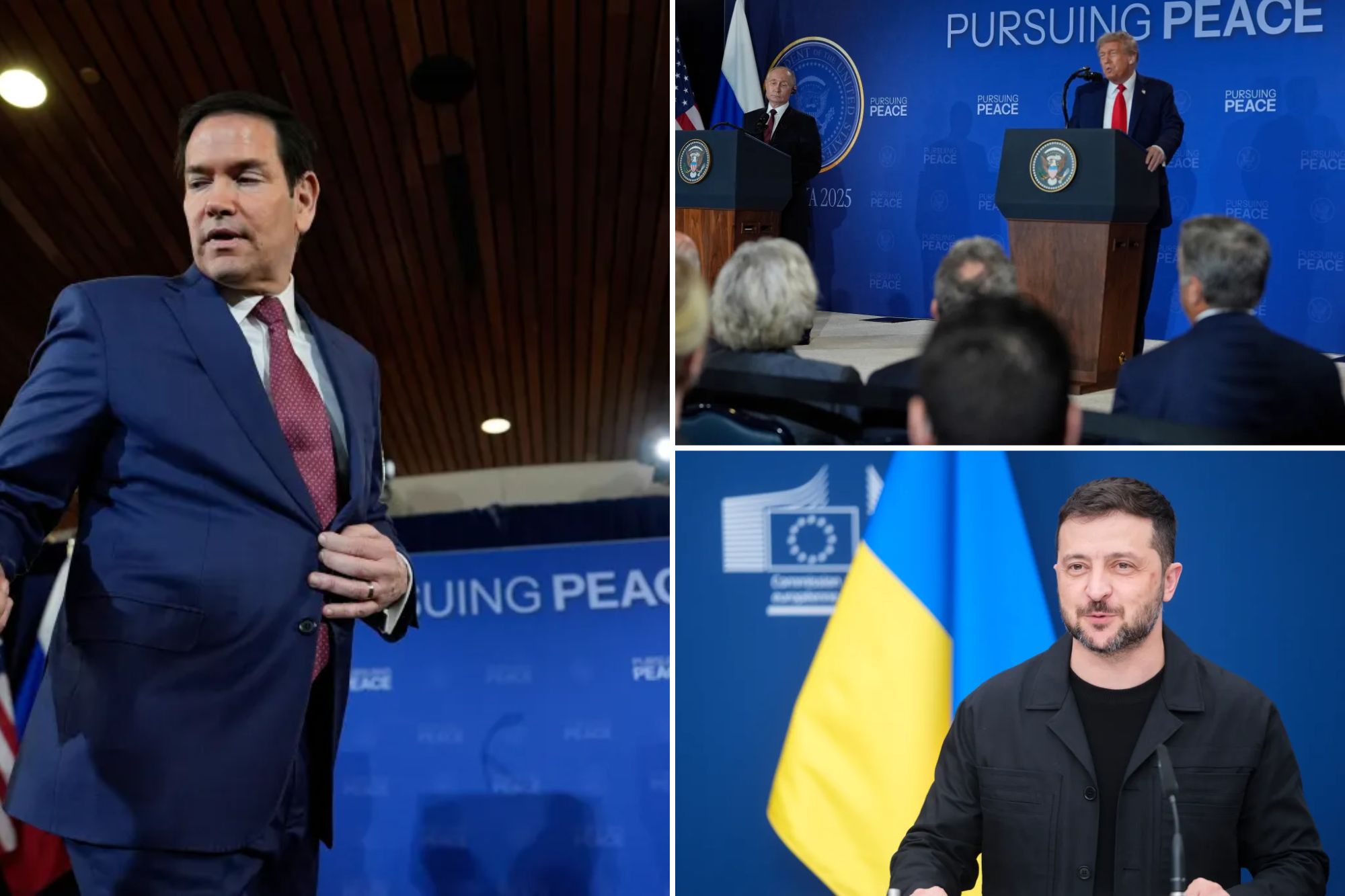
The Complex Path to Peace: A Look at the U.S. Perspective on Ukraine-Russia Talks
The ongoing conflict between Russia and Ukraine has raised numerous questions about what a potential peace deal might look like. U.S. Secretary of State Marco Rubio recently emphasized that both nations will need to make concessions to reach a lasting agreement. He stated that while it is clear both sides must give something, the specifics remain uncertain.
Rubio did not outline exactly what Ukraine would have to offer in return for an end to the war, but he suggested that the demands from Russia could be significant. This comes amid reports that Russian President Vladimir Putin has proposed taking full control of the Donetsk region, including areas currently under Ukrainian administration, as part of a peace arrangement. Ukraine has firmly rejected this idea, highlighting the deep divide between the two sides.
According to Rubio, achieving peace requires both parties to compromise. “It’s very difficult because Ukraine obviously feels, you know, harmed, and rightfully so, because they were invaded,” he said. “And the Russian side, because they feel like they got momentum in the battlefield.”
The discussion around territorial concessions has become a central topic in recent diplomatic efforts. During a meeting between Ukrainian President Volodymyr Zelensky and former U.S. President Donald Trump, the issue of land transfers was expected to come up. Trump had previously shared a social media post suggesting that Ukraine may need to make such concessions to end the war.
At a summit in Alaska, Putin reportedly demanded that Ukraine surrender the remaining quarter of Donetsk, a region rich in minerals and predominantly Russian-speaking. In exchange, he expressed willingness to halt fighting in the Kherson and Zaporizhzhia regions, where Russian advances have been limited.
Critics are concerned that if Ukraine were to cede Donetsk, it could embolden further Russian aggression. Former National Security Adviser Jake Sullivan warned that conceding territory could set the stage for future attacks. “We definitely should not take Russia’s word for it when they say, ‘Oh, we won’t do this again,’ even if they put it in legislation in Russia,” he said.
In addition to the territorial debate, there are concerns about the use of sanctions. Before his meeting with Putin in Alaska, Trump threatened to impose harsh secondary sanctions and tariffs on countries importing Russian oil. However, Rubio noted that Trump is cautious about implementing these measures, fearing they could derail peace talks.
“If this morning the president woke up and said I’m putting these terrible, strong sanctions on Russia, that’s fine. [It] may make people feel good for a couple hours,” Rubio said. “But here’s what you’re basically saying. You’re saying talks are over. For the foreseeable future, for the next year or year-and-a-half, there’s no more talks, because there’s no one else in the world that can talk to him [Putin].”
Despite the challenges, Rubio indicated that a ceasefire is still a possibility. “No, it’s not off the table,” he said. “Now, whether there needs to be a ceasefire on the way there, well, we’ve advocated for that. Unfortunately, the Russians as of now, have not agreed to that.”
Rubio also downplayed the likelihood of Russia gaining all the territory it has occupied, which amounts to roughly 20% of Ukraine. “If there’s going to be a peace deal, it’s not going to look like that,” he said, referring to a map showing the occupied areas. “But he [Putin] certainly is making demands.”
He added, “He’s certainly asking for things that the Ukrainians and others are not willing to be supportive of and that we’re not going to push them to give. And the Ukrainians are asking for things that the Russians are not going to give up on.”

Post a Comment for "Rubio: Russia Must Gain From Peace Deal as Putin Targets Donetsk"
Post a Comment