Rubio: Russia and Ukraine Must Concede for Peace Deal
Key Points from Recent Interviews on Ukraine-Russia Conflict
In a series of recent interviews, the U.S. Secretary of State, Marco Rubio, emphasized that achieving peace in the ongoing conflict between Russia and Ukraine will require both sides to make compromises. He stated, “You can’t have a peace agreement unless both sides make concessions – that’s a fact.” This sentiment aligns with standard negotiation principles, where neither side is likely to surrender, making mutual concessions essential.
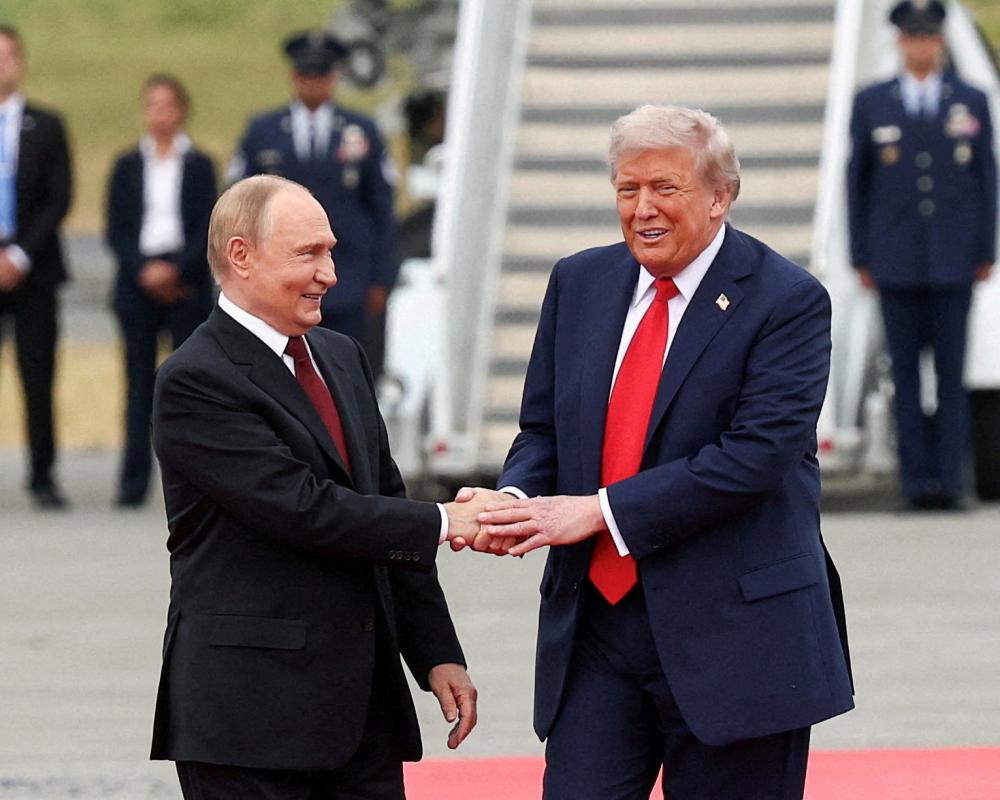
Rubio highlighted that recent discussions between Russian President Vladimir Putin and former U.S. President Donald Trump in Alaska had identified potential areas of agreement. However, he noted that significant disagreements still remain. “We’re still a long ways off,” he said, adding that while progress was made, a peace agreement is not yet imminent.
The talks included discussions about security guarantees for Ukraine. According to the U.S. special envoy Steve Witkoff, Putin agreed to allow the U.S. and Europe to offer Ukraine a security guarantee similar to NATO’s collective defense mandate. Witkoff described this as a “game-changing” concession, noting that it could provide Ukraine with Article 5-like protection.
Rubio stressed the importance of involving both leaders in any peace negotiations. “You’re not going to reach a ceasefire or a peace agreement in a meeting in which only one side is represented,” he said. This underscores the necessity of including Ukrainian President Volodymyr Zelenskyy in any future discussions.
Despite the White House's public demand for a ceasefire, Rubio acknowledged that achieving one would be challenging. He mentioned that the war has been ongoing for over three and a half years, with both sides deeply entrenched. “We’re going to have to continue to work and chip away at it,” he said.
On NBC’s Meet the Press, Rubio indicated that a ceasefire is not off the table but emphasized that a full peace deal is the ideal outcome. He noted that the U.S. has advocated for a ceasefire, but Russia has not agreed to it. “The ideal here, what we’re aiming for here is not a ceasefire,” he said. “What we ultimately are aiming for is an end to this.”
However, some critics argue that the Trump-Putin summit was a missed opportunity. Democratic Senator Chris Murphy called the meeting a “disaster,” claiming that Putin gained more than the U.S. did. He criticized the lack of tangible outcomes, stating that no real consequences were imposed on Russia.
Fiona Hill, a deputy assistant to Trump during his first term, noted that the optics of the summit favored Putin more than the U.S. She suggested that Putin set the agenda and narrative for the meeting. Jake Sullivan, a national security adviser under Biden, echoed these concerns, stating that the previous administration believed Russia was not ready to negotiate a peace deal. He argued that any summit should be properly prepared to produce a clear outcome.
While the path to peace remains uncertain, the need for continued dialogue and strategic compromise remains critical. The situation highlights the complexities of international diplomacy and the challenges of resolving long-standing conflicts. As the war continues, the focus remains on finding a sustainable solution that brings an end to hostilities and ensures stability in the region.

Post a Comment for "Rubio: Russia and Ukraine Must Concede for Peace Deal"
Post a Comment