Rotor Act Seeks to Plug Aviation Safety Gaps
New Legislation Aims to Prevent Future Aviation Disasters
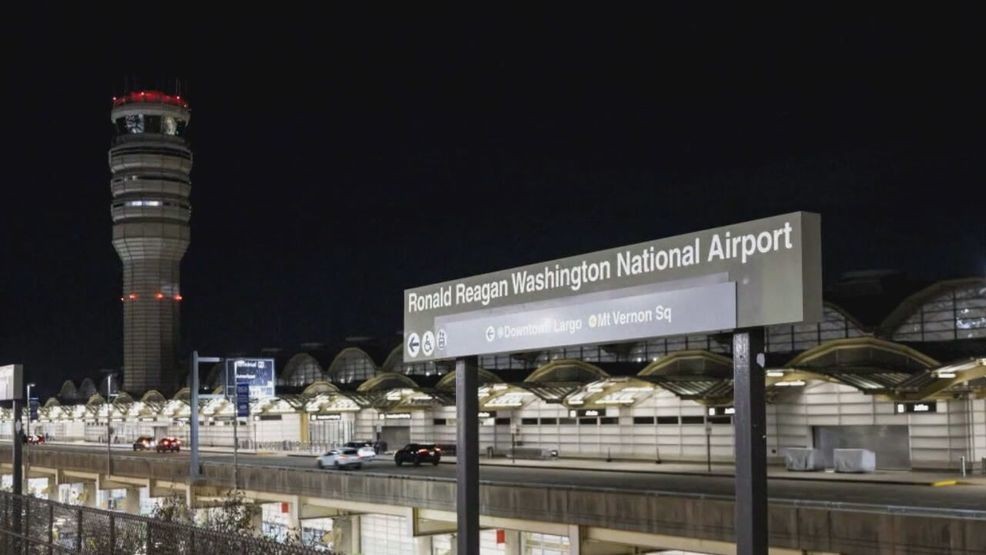
Six months after the tragic midair collision over the Potomac River, a new piece of legislation has been introduced to enhance aviation safety. The proposed bill, known as the Rotorcraft Operations Transparency and Oversight Reform (ROTOR) Act, seeks to prevent similar incidents from occurring in the future by mandating the use of advanced tracking technology for military helicopters.
The announcement of the ROTOR Act took place on the six-month anniversary of the January 29 incident, where a U.S. Army Black Hawk helicopter collided with a regional jet near the Potomac River. Family members of the victims, along with senators and other officials, attended the event to show support for the initiative. Republican Senator Ted Cruz was the primary sponsor of the bill, emphasizing the need for improved transparency and oversight in aviation operations.
The ROTOR Act would require both civilian and military aircraft operating in areas with high air traffic to utilize ADS-B In and ADS-B Out technology. This system allows aircraft to broadcast their location, speed, and other critical information to air traffic control and other nearby aircraft. It also enables pilots to see the positions of other aircraft equipped with the same technology, enhancing situational awareness.
Cruz pointed out that the Black Hawk helicopter involved in the collision had ADS-B capabilities, but it was turned off at the time of the incident. “There cannot be a double standard in aviation safety,” he stated during a briefing. “We should not tolerate special exceptions for military training flights operating in congested airspace.”
While the bill would allow the military to bypass ADS-B requirements in certain sensitive situations, it would mandate its use for routine training flights like the one that led to the tragedy. Aviation expert Dan Ronan, who is also a licensed pilot, believes that if ADS-B had been active, the accident might have been avoided. “The pilot of the regional jet would have known that they had a helicopter coming dangerously close, and either the helicopter would have been instructed to move away or the pilot might have decided to abort the landing,” he said.
In addition to the ADS-B requirement, the ROTOR Act includes several other provisions aimed at improving safety. One provision calls for an examination of helicopter routes near airports, while another requires the U.S. Army Inspector General to conduct an audit of the Army’s role in the collision.
Tim and Sheri Lilley, whose son Sam was the copilot of American Eagle Flight 5342, attended the briefing to show their support for the legislation. “It’s not going to be Sam’s legacy to die in vain,” Tim said. “This legislation, if passed, will close important safety loopholes so that this never happens again.”
The U.S. Army has not commented publicly on the proposed legislation, stating that it does not typically address proposed bills. However, the Army has indicated that it would comply with any laws that are ultimately enacted.
The announcement of the ROTOR Act coincided with the upcoming three-day investigative hearings by the National Transportation Safety Board (NTSB) into the midair collision. Among the issues the NTSB plans to examine is the altimeter on the Black Hawk helicopter, which may have malfunctioned during the incident. NTSB Chair Jennifer Homendy expressed support for the ROTOR Act, noting that the agency has recommended the use of ADS-B technology since 2008.
“ADSB will provide an immediate and substantial contribution to safety,” Homendy said. “This will save lives.” The introduction of the ROTOR Act marks a significant step toward improving aviation safety and preventing future tragedies.

Post a Comment for "Rotor Act Seeks to Plug Aviation Safety Gaps"
Post a Comment