Rising Beef Prices in Northeast Tenn.: What You Need to Know
Rising Beef Prices and Their Impact on Farmers and Consumers
Over the past year, beef prices have seen a significant increase due to a combination of factors including a shrinking cattle supply and growing consumer demand. According to the USDA Food Price Outlook, the cost of beef and veal has risen by more than 10% between 2024 and 2025. This trend is having a ripple effect across the agricultural sector, influencing both farmers and consumers.
Mark Zinnanti, the general manager of Appalachian Producers Cooperative in Telford, Tennessee, highlights how this situation is benefiting local producers. “More and more farmers, producers are raising their own beef,” he said. “They bring it here to be harvested and processed. So, it’s really good for us. It’s also good for the farmer in that his or her actual price of that beef, once they get at home, is considerably cheaper than what it would be in the grocery store.”
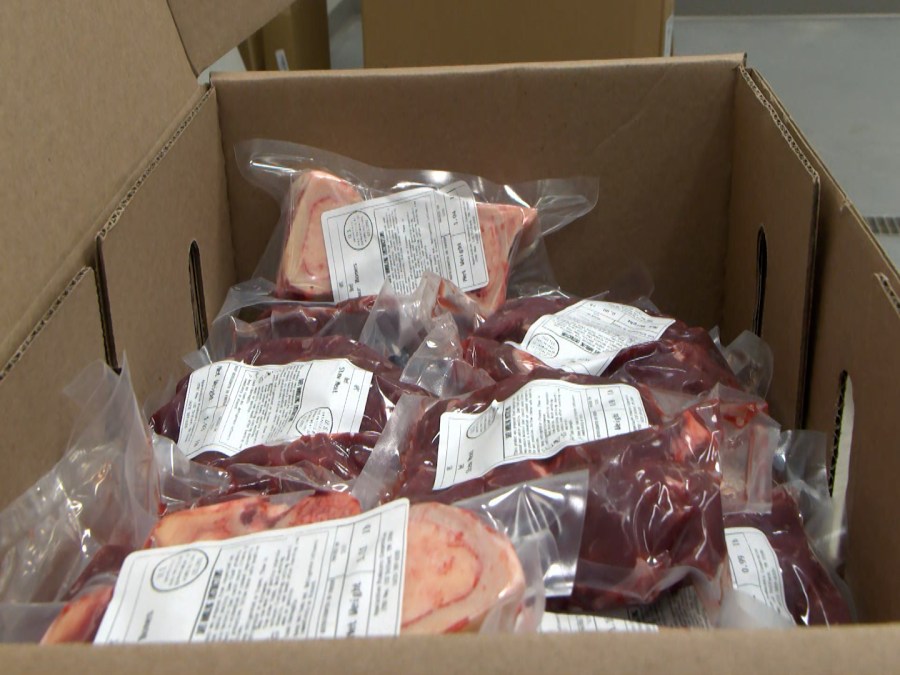
Zinnanti also explains that the cooperative model allows farmers to sell freezer beef, which can be processed under USDA inspection and sold directly to consumers. This not only gives farmers a better profit margin but also provides consumers with a more affordable option compared to store-bought beef.
The Role of Genetics and Nutrition in Beef Production
Anthony Shelton, a livestock marketing area specialist with the University of Tennessee Extension, points out that upper East Tennessee has experienced the lowest beef supply since 1951. However, despite the reduced numbers, the quality of the beef has improved significantly over time.
“What offsets that is our genetics and our nutrition as far as our feed opportunities has increased dramatically,” Shelton explained. “Back in 1951, when those animals were around about 1,000 pounds fed out, and now these animals are finishing out at 15, 1,600 pounds, these steers and heifers. So, you get a lot more meat out of those animals, better quality as well. So, that goes into demand.”
Shelton also notes that the current challenges are not solely due to the number of cattle but also other external factors such as import restrictions from Mexico and limited land availability. “There’s only so much land around. And a lot of times we see these larger farms going into other, maybe non-farming enterprises. So that’s something that we’re always paying attention to.”
The Cattle Cycle and Future Outlook
Shelton emphasizes that the cattle cycle typically lasts around ten years, with periods of growth followed by downturns. “We’ll see an uptick and then sometimes we’ll have a downturn, not trying to scare anyone. That’s typically the way those things are,” he said.
While Zinnanti acknowledges that the current market is favorable for producers, he also warns of potential future challenges. “Even though, yes, the cattle market is high, farmers, producers are getting more money for their cattle,” he said. “Their actual profit margins really haven’t moved that much.”
He is concerned about the rising costs of farm equipment and shifting consumer preferences. “My concern is that the grocery store consumers that buy primarily or only from a grocery store do not buy from farmers or other sources,” Zinnanti added. “At what point does those prices get so high that the consumer says, you know, no more, I’m going to do a different kind of protein and start to leave beef.”
However, he also notes that demand for beef remains strong. “The consumers still have quite a bit of demand for beef. We haven’t yet reached that price point where they started going to the other forms of protein.”
As the beef industry continues to navigate these challenges, the balance between supply, demand, and external factors will play a critical role in shaping the future of the market.

Post a Comment for "Rising Beef Prices in Northeast Tenn.: What You Need to Know"
Post a Comment