Richmond's 'Cutting-Edge' Traffic Project Aims to Boost GRTC Speed and City Safety
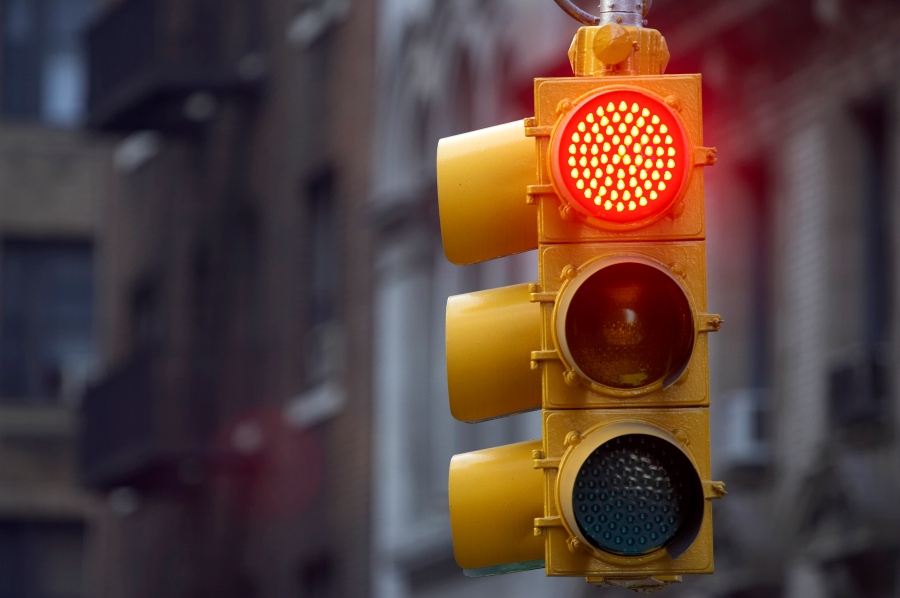
Introduction to the Centralized Transit Signal Priority and Emergency Vehicle Preemption Project
Richmond is set to embark on a groundbreaking initiative aimed at transforming its transportation infrastructure. This ambitious project, known as the “Centralized Transit Signal Priority (TSP) and Emergency Vehicle Preemption (EVP) Project,” promises to enhance the efficiency of public transit while also improving emergency response times across the city.
The city has been working on this project for over a decade, with the ultimate goal of connecting all 490 of Richmond’s traffic signalized intersections into a centralized transportation management system. This effort was spearheaded by the Department of Public Works (DPW), which has played a crucial role in integrating these systems.
The Technology Behind the Project
At the heart of this initiative is a software system called Econlite Centracs Priority. This advanced technology will link traffic signals with both the Greater Richmond Transit Company (GRTC) and the city’s Emergency 911 Call Center. This integration ensures that both buses and emergency vehicles can respond in real-time, making the city's transportation network more efficient and responsive.
One of the key features of this system is the ability to give priority to GRTC buses at intersections. For example, if a bus is running a few minutes behind schedule, the system can extend the green light, allowing the bus to continue without unnecessary delays. This not only improves the reliability of public transit but also helps maintain consistent schedules for passengers.
Benefits for Emergency Vehicles
Emergency vehicles, such as fire trucks and ambulances, will also benefit from this new system. Through a process known as “signal preemption,” traffic signals will detect the approach of an emergency vehicle and change the lights accordingly. This means that instead of waiting for a red light, emergency responders can move through intersections more quickly, potentially saving lives in critical situations.
Interim Richmond Fire Chief Jeffrey Segal emphasized the importance of this technology, stating that every second counts when lives are on the line. He noted that this innovation will allow crews to reach emergencies faster, ultimately leading to better outcomes for residents.
Improving Transportation for All Travelers
Beyond just buses and emergency vehicles, the coordinated signals will also benefit all travelers, including pedestrians, cyclists, and drivers. By reducing delays and creating a more predictable environment, the system aims to make the city’s transportation network safer and more efficient for everyone.
This project aligns with the city’s three core goals: boosting transit reliability, increasing the speed of emergency response, and providing safe access for all. These objectives reflect a commitment to creating a more equitable and accessible transportation system for the entire community.
Implementation Timeline
The system design and integration phase of the project is set to begin this fall. Initially, 150 intersections will be equipped with the new technology. By the spring of 2027, the city hopes to have all intersections tested and the system fully deployed.
Michael B. Sawyer, the city’s transportation engineer, described the project as a game-changer for Richmond’s transportation system. He highlighted how the integration of cutting-edge technology not only improves transportation safety but also contributes to building a safer and more equitable city.
This initiative represents a significant step forward for Richmond, showcasing the city’s commitment to innovation and progress in its transportation infrastructure. As the project moves forward, it is expected to bring numerous benefits to residents and visitors alike, making the city a more efficient and livable place.

Post a Comment for "Richmond's 'Cutting-Edge' Traffic Project Aims to Boost GRTC Speed and City Safety"
Post a Comment