RI AG Neronha Leads 21 States in Lawsuit Over Planned Parenthood Funding Cut
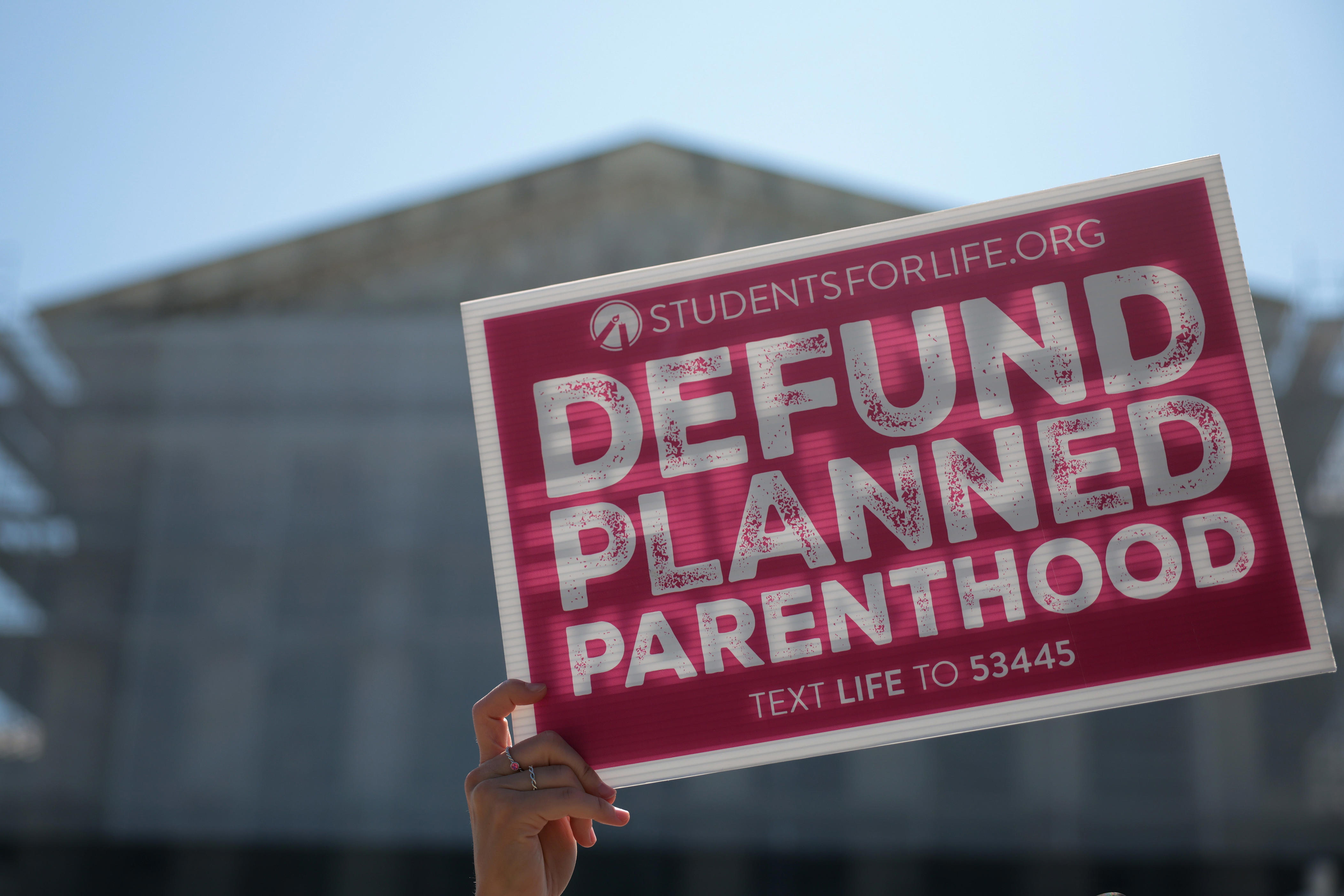
Rhode Island Attorney General Sues Over Defunding of Planned Parenthood
On July 29, the Rhode Island Attorney General, Peter Neronha, filed a lawsuit against the Trump administration over a controversial provision in the Big Beautiful Bill. This sweeping budget bill, signed by President Donald Trump on July 4, contains a “Defund Provision” that has sparked significant legal and political debate.
The “Defund Provision” aims to eliminate federal Medicaid funding for any medical services provided at Planned Parenthood health centers. This includes essential services such as cancer screenings, birth control, STI testing, and wellness exams. According to Neronha and a coalition of 21 attorneys general and one governor, this clause is seen as a direct attack on Planned Parenthood and its role in providing healthcare to millions of low-income Americans.
Neronha expressed concern about the impact of the provision on Rhode Island’s already struggling healthcare system. In a press release, he stated, “Rhode Island’s health care system is already in crisis, and this targeted funding cut will make it exponentially worse.” He emphasized that Planned Parenthood serves over 10,000 patients annually, and the loss of these services would force many individuals to seek care elsewhere, which the current system may not be able to handle.
The coalition of attorneys general includes representatives from California, Colorado, Connecticut, Delaware, Hawaii, Illinois, Maine, Maryland, Massachusetts, Michigan, Minnesota, Nevada, New Jersey, New Mexico, New York, North Carolina, Oregon, Vermont, Washington, Wisconsin, and the District of Columbia, along with the governor of Pennsylvania. Together, they argue that the provision is an unconstitutional attempt to penalize Planned Parenthood for its advocacy on abortion rights.
Understanding the "Defund Provision"
The “Defund Provision” is a one-year measure included in the Big Beautiful Bill. It prohibits certain clinics that provide abortions, like Planned Parenthood, from receiving Medicaid funds for any of their reproductive services. While the provision does not explicitly name Planned Parenthood, the organization has called it a “targeted attack,” stating that a third of its network could face closure under the law.
The Department of Justice has argued that the bill stops federal subsidies for what they refer to as “Big Abortion.” This aligns with the Hyde Amendment, a 1976 law that has long prohibited the use of federal funds for most abortions. However, the provision in question extends beyond this by cutting funding for other services offered by clinics that also provide abortions.
Legal Arguments and Concerns
The attorneys general are challenging the provision on several grounds. They argue that Congress designed the clause specifically to punish Planned Parenthood for advocating for abortion access. They cited a December 4, 2024, interview with House Speaker Mike Johnson, who expressed a desire to “axe” Planned Parenthood.
According to a press release, the attorneys general claim the provision is “impermissibly ambiguous” and violates the Spending Clause of the U.S. Constitution. They also assert that the provision will have negative public health consequences, including delayed diagnoses of STIs and cancer, increased unintended pregnancies, and higher costs for state healthcare systems.
In Rhode Island, Planned Parenthood provides health services to approximately 10,000 patients each year, with about 25% of those patients being Medicaid recipients. The lawsuit comes just one day after a federal judge in Boston blocked the enforcement of the provision in a separate lawsuit filed by Planned Parenthood. The judge ruled that the law violated the Constitution by targeting Planned Parenthood’s health centers specifically for providing abortions.
Broader Implications
The lawsuit highlights the ongoing national debate over the role of Planned Parenthood in the healthcare system and the legality of defunding organizations that provide a range of reproductive services. As the legal battle continues, the outcome could have significant implications for healthcare access across the country.
The case underscores the complex interplay between federal legislation, constitutional law, and public health policy. With the involvement of multiple states and a growing coalition of legal advocates, the issue remains a focal point in the broader conversation about healthcare equity and the protection of reproductive rights.

Post a Comment for "RI AG Neronha Leads 21 States in Lawsuit Over Planned Parenthood Funding Cut"
Post a Comment