RFK Jr.'s Vaccine Court Overhaul Faces Legal and Scientific Hurdles
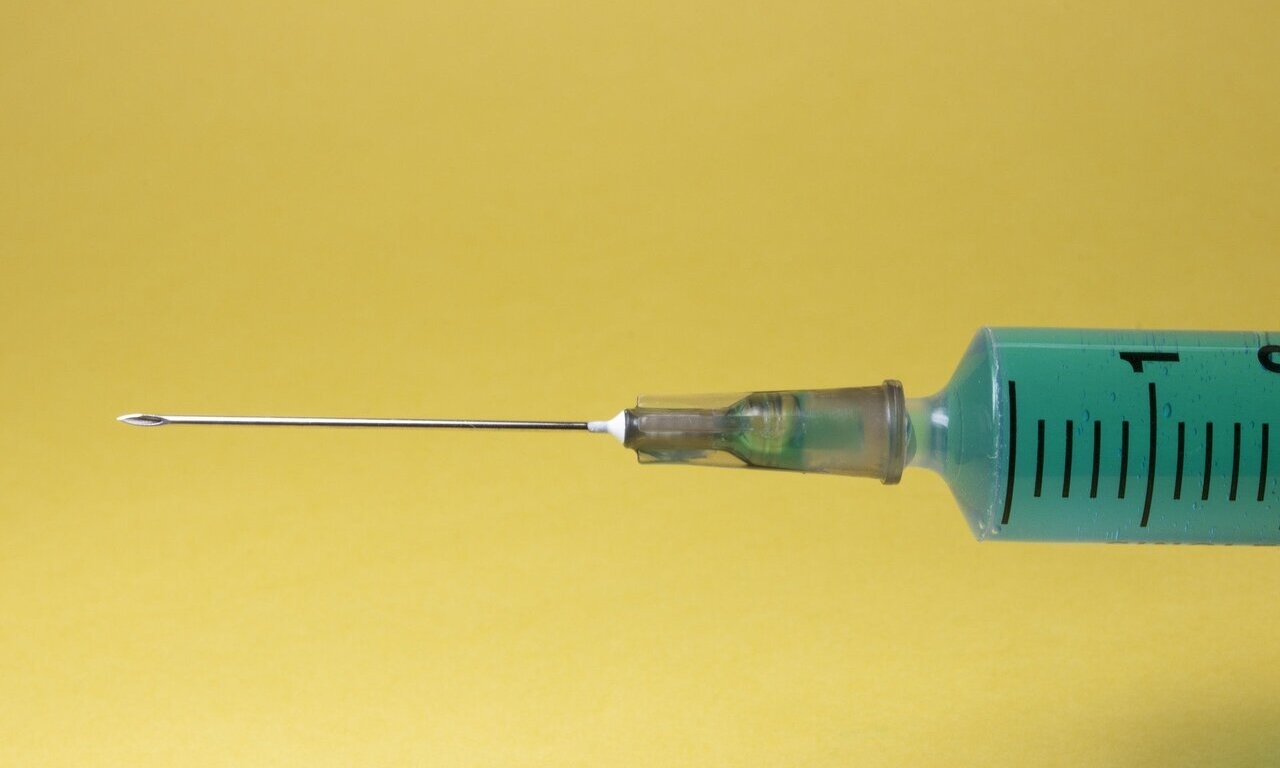
Understanding the Vaccine Injury Compensation Program
For nearly four decades, individuals who believe they have suffered harm from a vaccine have had access to a specialized system known as the Vaccine Injury Compensation Program, often referred to as the vaccine court. This program was established to address concerns about potential injuries caused by vaccines and to provide compensation to those affected. However, it has also become a focal point of debate among health officials, legal experts, and advocates.
Health and Human Services Secretary Robert F. Kennedy Jr. has been vocal in his criticism of the vaccine court, describing it as biased and slow. He has expressed a desire to "revolutionize" or "fix" the system, but the complexities of the program make such changes difficult to implement without unintended consequences.
As a scholar of law, health, and medicine, I have spent years studying the history, politics, and controversies surrounding the Vaccine Injury Compensation Program. My book, Vaccine Court: The Law and Politics of Injury, explores the intricate relationship between public health policy and legal frameworks. While I agree that the program could use some improvements, I also believe that significant changes could have far-reaching effects on public health and the integrity of the vaccine supply.
How the Vaccine Injury Compensation Program Works
The Vaccine Injury Compensation Program was created in 1986 through the National Childhood Vaccine Injury Act. Its primary purpose was to address the issue of vaccine injuries, particularly those linked to the whole-cell pertussis vaccine, which was associated with side effects such as prolonged crying and convulsions. At the time, parents were filing lawsuits against vaccine manufacturers, leading to a potential collapse in vaccine production.
To prevent this, Congress established the vaccine court as a no-fault alternative to traditional litigation. It allows individuals to file claims with a special master in the U.S. Court of Federal Claims. The Health and Human Services secretary is named as the defendant, and the case is handled by Department of Justice attorneys. Medical professionals from HHS evaluate the claim and determine if the injury is related to the vaccine.
Some injuries are automatically compensated, while others require a hearing to assess whether the vaccine caused the harm. Awards come from a trust fund funded by an excise tax on each dose of covered vaccines. Attorneys representing petitioners are paid from the same fund, regardless of the outcome of the case.
Challenges and Needed Reforms
Despite its importance, the vaccine court faces several challenges. The number of special masters available to handle cases is limited, and the caseload has increased significantly over the years. The original damages cap of $250,000 has not been adjusted for inflation, making it less effective today. Additionally, the statute of limitations for filing a claim is three years, which many people miss due to delays in recognizing their injuries.
The program initially covered only vaccines recommended for children, but it has since expanded to include vaccines for pregnant women. However, adult vaccines like shingles are still not covered, and claims related to the COVID-19 vaccine go through a different system that has faced criticism. There have been calls to include these vaccines in the program, and some lawmakers support such changes.
Potential Reforms and Controversies
Kennedy has mentioned some of these reforms, which are considered "friendly amendments" with bipartisan support. However, his broader statements suggest he may want to dismantle the program entirely. Changing the structure of the vaccine court would require congressional action and presidential approval, making it a complex process.
One potential avenue for change is adding autism to the list of presumed vaccine injuries. However, this is controversial, as the vaccine court has historically rejected claims linking autism to vaccines. Multiple studies and court proceedings have found no scientific evidence to support such a connection. Any attempt to revise the list of recognized injuries would require extensive review and public input.
Another possibility involves targeting vaccine manufacturers by removing certain vaccines from the program, allowing claims to be filed in regular courts. This approach could lead to more complicated legal battles and potentially increase the burden on the civil justice system.
The Broader Implications
Reforming the vaccine court has sparked strong reactions from various stakeholders, including public health organizations and medical groups. The program’s complexity and the diverse interests involved make any changes challenging. While Kennedy’s proposals may reflect his views on vaccine safety, they also raise concerns about the stability of the program and its ability to protect both public health and individual rights.
Ultimately, the vaccine court remains a critical component of the U.S. healthcare system, balancing the need for compensation with the goal of maintaining a stable and safe vaccine supply. Any major changes must consider the long-term impact on both individuals and public health.

Post a Comment for "RFK Jr.'s Vaccine Court Overhaul Faces Legal and Scientific Hurdles"
Post a Comment