RFK Jr.'s Controversial Vaccine Claim About Black Communities Raises Red Flags
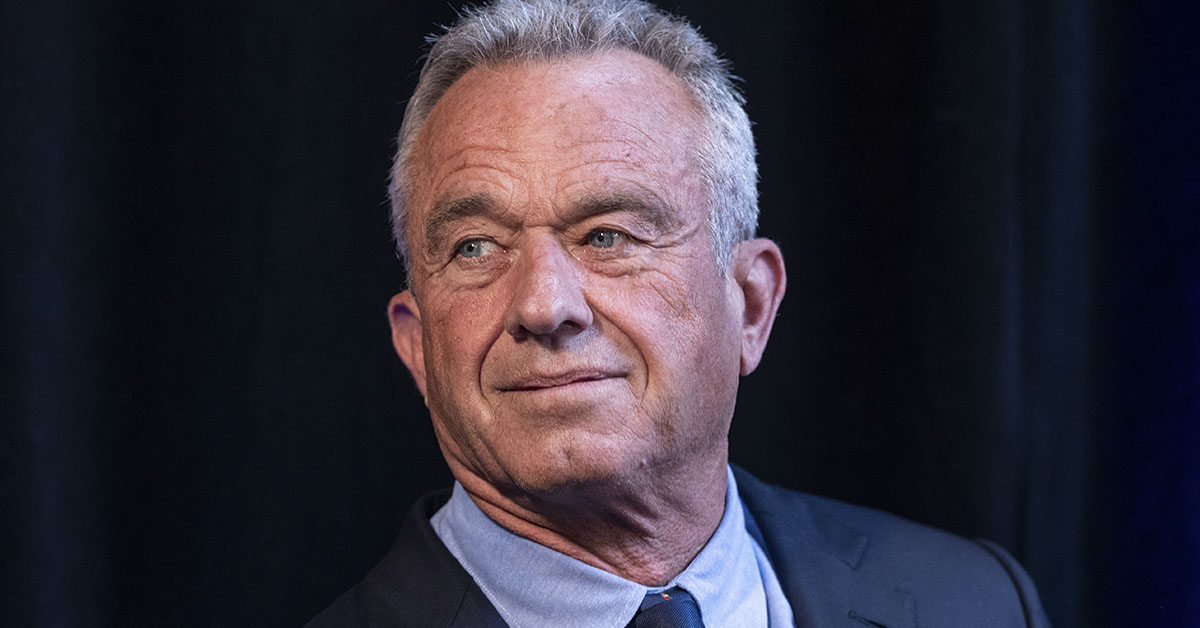
RFK Jr. Faces Backlash from Medical Experts Over Controversial Vaccine Comments About Black Americans
Health and Human Services Secretary, Robert F. Kennedy Jr., is facing significant criticism after making remarks that have sparked controversy regarding vaccine schedules for Black Americans. Known for his history of anti-vaccination views, RFK Jr. has proposed changes to the public health system that many fear could negatively affect Black communities.
In 2021, RFK Jr. faced intense backlash for his comments about vaccine schedules. He claimed that the immune systems of Black people were stronger and required fewer antigens. His argument suggested that Black individuals needed a different vaccine schedule "because their immune system is better than ours." These statements have been widely criticized as scientifically unfounded and potentially harmful.
Vaccine Comments Ignite Controversy
Instead of retracting his claims, which some medical experts describe as scientific racism, RFK Jr. doubled down on his position. During his Senate confirmation earlier this year, his anti-vaccine rhetoric became a central topic of discussion. Medical professionals strongly oppose his statements, calling them inaccurate, misleading, and dangerous to public health. The scrutiny surrounding his nomination as Health and Human Services Secretary has raised concerns about the potential impact on national health policy.
Medical Community Reaction
Several leading organizations, including the American Academy of Pediatrics, have accused RFK Jr. of endangering child health and the vaccine infrastructure. Some major medical associations are considering legal action over his changes to the COVID-19 vaccine schedule. Even among senators, there has been criticism. Sen. Angela Alsobrooks challenged the scientific validity of his claims, questioning the evidence behind his assertions.
RFK Jr. references a "series of studies" to support his claims, but these have been scrutinized by experts who argue they lack scientific merit. Public health professionals have called out his statements as baseless and emphasized that there is no scientific support for altering vaccination routines based on race. They warn that such rhetoric undermines trust in evidence-based medicine and public health systems.
The Science Behind Vaccine Schedules
Medical authorities stress that race is a social, not biological, category. Vaccine schedules are determined by an individual’s age, exposure risk, and health condition, not genetics or ethnicity. Any claim that immune systems vary by race lacks credible evidence and contradicts established immunization practices. Scientific reviews indicate that while differences in immune response exist among individuals, they do not justify different vaccine schedules based on racial identity.
Roots of Scientific Racism in Medicine
Scientific racism has led to some of the most horrific practices in history, such as Nazi Germany's Eugenics movement. The Nazis used pseudoscience to "purify" the German population by eliminating those deemed "undesirable." This ideology has also historically resulted in unequal care under false "scientific" claims toward marginalized communities. The belief that Black people are biologically different has dangerous roots in scientific racism. For example, a false belief that Black individuals had stronger kidneys persisted in medical texts until 2021. Such myths historically led to unequal treatment, diminished care, and worse outcomes, especially when embedded in policy.
Misinformation's Impact on Vaccine Hesitancy and Public Trust
RFK Jr.'s comments have further fueled distrust within the Black community towards the healthcare system. He references historical abuses like the Tuskegee Syphilis Study, which has contributed to vaccine hesitancy among Black communities. His 2021 documentary, "Medical Racism: The New Apartheid," portrayed vaccination efforts as medical experiments, amplifying fears around vaccines. Experts warn that this approach deepens vaccine hesitancy and harms marginalized groups. Low vaccination rates in Black communities stem from systemic barriers and a long history of experimentation and discrimination, making misinformation particularly damaging.
Policy Changes and Their Effects on Marginalized Groups
As Secretary of Health and Human Services, RFK Jr. has halted $500 million in mRNA vaccine funding. He also removed all 17 members of the CDC's ACIP advisory panel and replaced them with individuals criticized for lacking vaccine expertise. These changes may disproportionately affect Black Americans, creating wider health disparities. By eliminating safeguards that typically protect marginalized populations from medical misinformation, these actions could expose vulnerable communities to dangerous health consequences.
Criticism of Policy Repercussions
Health experts warn that scrapping mRNA funding and reducing expert advice capacity significantly undermines advancements in medical healthcare. mRNA technology played a crucial role in saving millions of lives during the COVID-19 pandemic and supports progress in cancer and HIV treatments. Critics argue that these policy reversals ignore data and hinder preventive measures against future disease threats. Experts also emphasize that mRNA funding supports ongoing trials for cancer treatments, rare diseases, and faster pandemic vaccine responses.
Conclusion
RFK Jr.'s comments and policies risk reinforcing racial myths and destabilizing public health. Accountability and separating science from bias are essential to avoid repeating historical mistakes. Moving forward requires immediate action to restore science-based vaccine policies and rebuild trust through transparent community engagement and evidence-driven health recommendations. Rejecting unsupported racial claims and rebuilding community trust are vital steps to ensure health policies serve all Americans fairly and effectively.

Post a Comment for "RFK Jr.'s Controversial Vaccine Claim About Black Communities Raises Red Flags"
Post a Comment