Researchers Uncover Valuable Breakthrough from Common Food Waste
A Sustainable Solution for Growing Berries
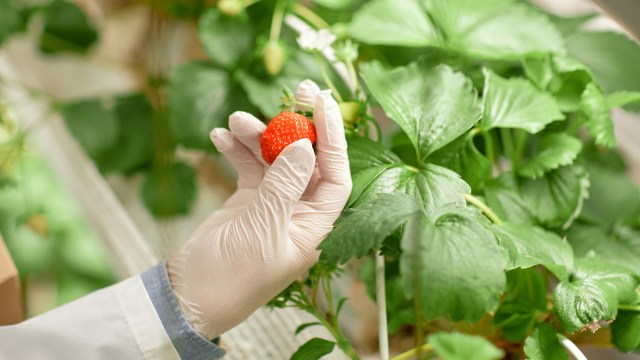
Coconut husks, often considered a by-product of coconut processing, have found an unexpected role in the cultivation of summer strawberries. Researchers in the United Kingdom have discovered that recycled coconut coir, a fibrous material derived from coconut husks, can serve as a sustainable alternative to peat when growing berries like strawberries and raspberries.
This development might seem small at first glance, but it holds significant potential. Peat, the traditional medium used for growing soft fruits in the U.K., comes with serious environmental drawbacks. It is extracted from bogs that naturally store carbon, and when these bogs are disturbed, they release stored carbon into the atmosphere. This process not only contributes to climate change but also degrades ecosystems and increases the risk of flooding. In response, the U.K. has already banned the use of peat in gardening and landscaping and is working towards phasing it out in commercial horticulture.
The Benefits of Coconut Coir
Coconut coir offers a promising alternative that aligns with sustainability goals. Simon Barnes, director of Growing Kent & Medway, highlighted the value of this project, stating that it provides immediate benefits to growers and the supply chain by reducing input costs and water use while paving the way for a lower-carbon future.
What makes this innovation stand out is its multiple advantages. Trials conducted as part of the project showed no chemical, physical, or biological downsides to using recycled coir. Instead, there were numerous benefits: growers could reduce water usage by 5-10% and cut planet-warming pollution by up to 40%, all while saving money.
Dr. Matevz Papp-Rupar, a plant pathologist at NIAB, noted that strawberries grown in recycled coir produced 24-40% fewer greenhouse gas emissions without any issues related to pests, weeds, or plant health. This is good news for human health as well, as agriculture contributes significantly to pollution through carbon emissions, water overuse, and soil degradation. By adopting lower-impact growing methods, the industry can help clean up its practices and support healthier soil, air, and water for everyone.
A Circular Food System
The project is part of a broader movement to make food systems more circular, transforming waste into solutions. Coconut coir is already available globally in small-scale horticulture, but initiatives like this one may soon bring it to the forefront of large-scale farming. As regulations and sustainability goals push growers to adopt cleaner alternatives, the use of coconut coir could become more widespread.
If all goes well, your next bowl of berries might be grown with the help of coconuts. This innovative approach not only supports environmental sustainability but also offers practical benefits for growers and consumers alike.
The Future of Agriculture
As the world continues to seek sustainable solutions, the use of coconut coir represents a step forward in creating a more environmentally friendly agricultural system. By reducing reliance on peat and other resource-intensive materials, farmers can contribute to a healthier planet while maintaining productivity and profitability.
This shift towards sustainable practices is essential for addressing the challenges of climate change, resource depletion, and environmental degradation. By embracing innovations like recycled coconut coir, the agricultural sector can play a vital role in building a more resilient and sustainable future.

Post a Comment for "Researchers Uncover Valuable Breakthrough from Common Food Waste"
Post a Comment