Republicans divided on Gaza hunger crisis as Trump vows aid push
Rising Tensions Over Gaza Aid and Political Divisions
President Donald Trump's recent calls for increased aid to Gaza, where children are facing severe food shortages, have sparked significant debate among U.S. lawmakers. His stance has created a rift with Israeli Prime Minister Benjamin Netanyahu and has also highlighted divisions within the Republican Party on Capitol Hill.
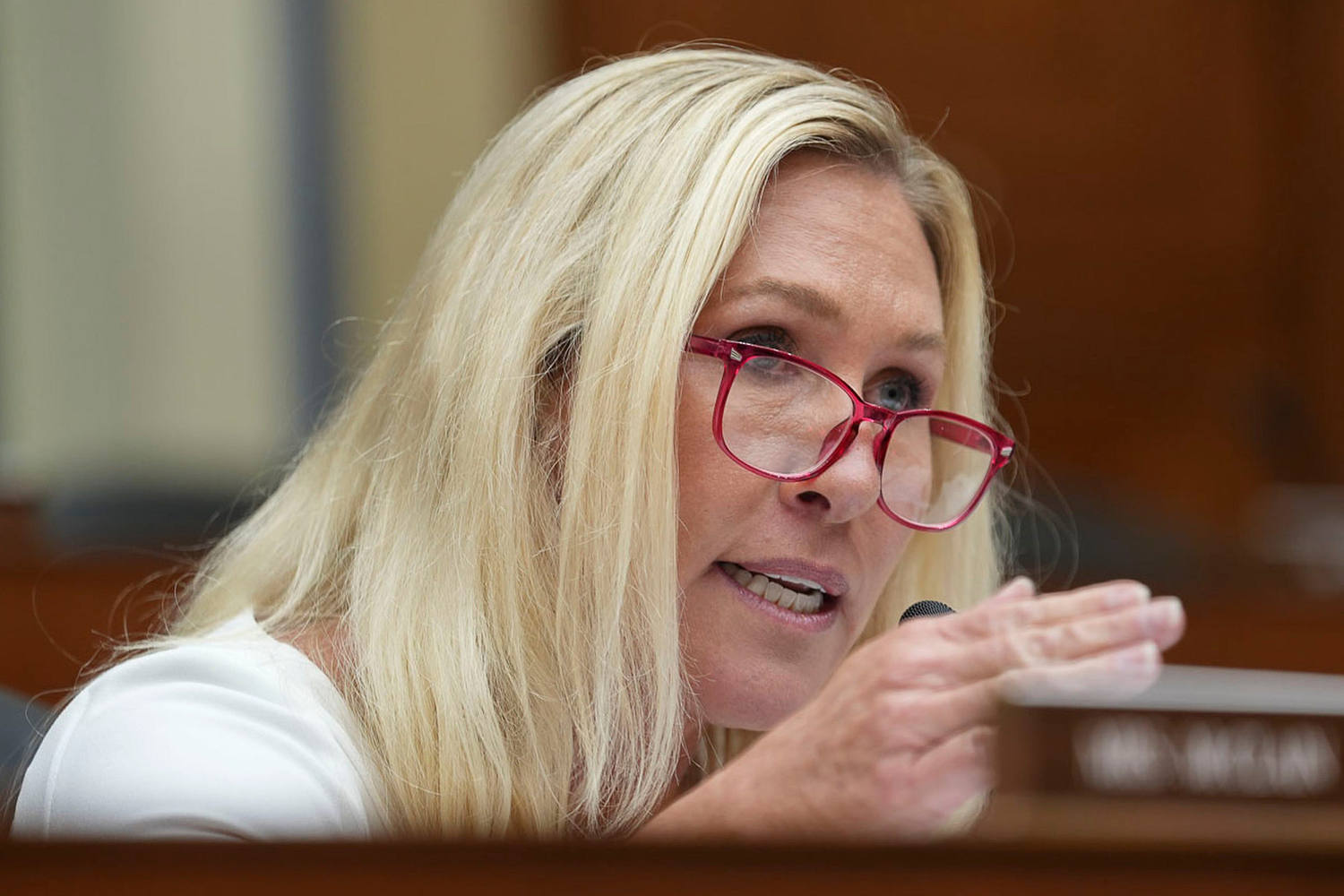
Among Trump’s most vocal supporters in Congress is Rep. Marjorie Taylor Greene, a Georgia Republican known for her strong "America First" views. She has gone as far as labeling the situation in Gaza a “genocide.” This declaration has led her to publicly criticize fellow GOP member Rep. Randy Fine of Florida, who suggested that Gazans should “starve away” until hostages held by Hamas are released.
Greene, who was involved in a 2023 resolution to censure Rep. Rashida Tlaib over her criticism of the Israeli government, represents a small but growing group of Republicans who are increasingly vocal about the humanitarian crisis in Gaza. While some Republicans support providing aid, others believe it should be contingent on the release of hostages. Senate Majority Leader John Thune, for instance, expressed agreement with Trump’s position, stating that helping those in need is a moral obligation.
However, not all Republicans share this view. Sen. Lindsey Graham of South Carolina denied the existence of a genocide in Gaza and opposed additional relief efforts. Similarly, Sen. Ron Johnson of Wisconsin argued that the issue should be handled by other governments rather than the U.S. Sen. Tommy Tuberville of Alabama echoed this sentiment, suggesting that if Hamas were to release the hostages, more food would be available.
Despite these differing opinions, many Republicans attribute the humanitarian crisis in Gaza to Hamas rather than Israel. Rep. Lance Gooden of Texas called for allowing aid to enter Gaza, arguing that ending the hunger crisis would weaken Hamas’s ability to use children as pawns. Meanwhile, Sen. Bernie Moreno of Ohio remained skeptical about setting up food centers, emphasizing the risks to American soldiers.
Moreno acknowledged the severity of the situation in Gaza but refrained from agreeing with Greene’s characterization of it as a genocide. He suggested that Greene should visit Gaza to better understand the situation. Sen. John Kennedy of Louisiana criticized the term “genocide,” calling it an incorrect label, while acknowledging that people have the right to their opinions.
Sen. Rick Scott of Florida took a more neutral stance, expressing concern over the suffering in Gaza but noting that he had not visited the region himself. He emphasized the need to avoid war and starvation but also highlighted the actions of Hamas in causing the current crisis.
While Republicans remain divided, Democrats have largely united in expressing concern over the humanitarian situation in Gaza. Forty Democratic senators sent a letter to the Trump administration urging a broader expansion of humanitarian aid. Sen. Jacky Rosen of Nevada, one of the letter’s organizers, stressed the importance of both releasing hostages and addressing the suffering in Gaza.
Sen. Angus King of Vermont, who caucuses with Democrats, criticized the lack of action from Israel, stating that the responsibility lies with the Netanyahu government. He also urged Trump to consider his proposal for aid. Sen. Peter Welch of Vermont called for hearings on the Gaza crisis during the August recess, advocating for more focus on ending the suffering there.
Sen. Tim Kaine of Virginia criticized the current relief efforts, calling them insufficient and highlighting the role of the Israeli government in restricting aid. Despite his support for Israel, Sen. John Fetterman of Pennsylvania blamed Hamas and Iran for the crisis in Gaza, emphasizing that the suffering is real and caused by extremist groups.
These contrasting perspectives underscore the complex and sensitive nature of the situation in Gaza, reflecting deep political divides and moral dilemmas among U.S. lawmakers.

Post a Comment for "Republicans divided on Gaza hunger crisis as Trump vows aid push"
Post a Comment