Republicans Boost State Auditor's Authority with Democratic Support
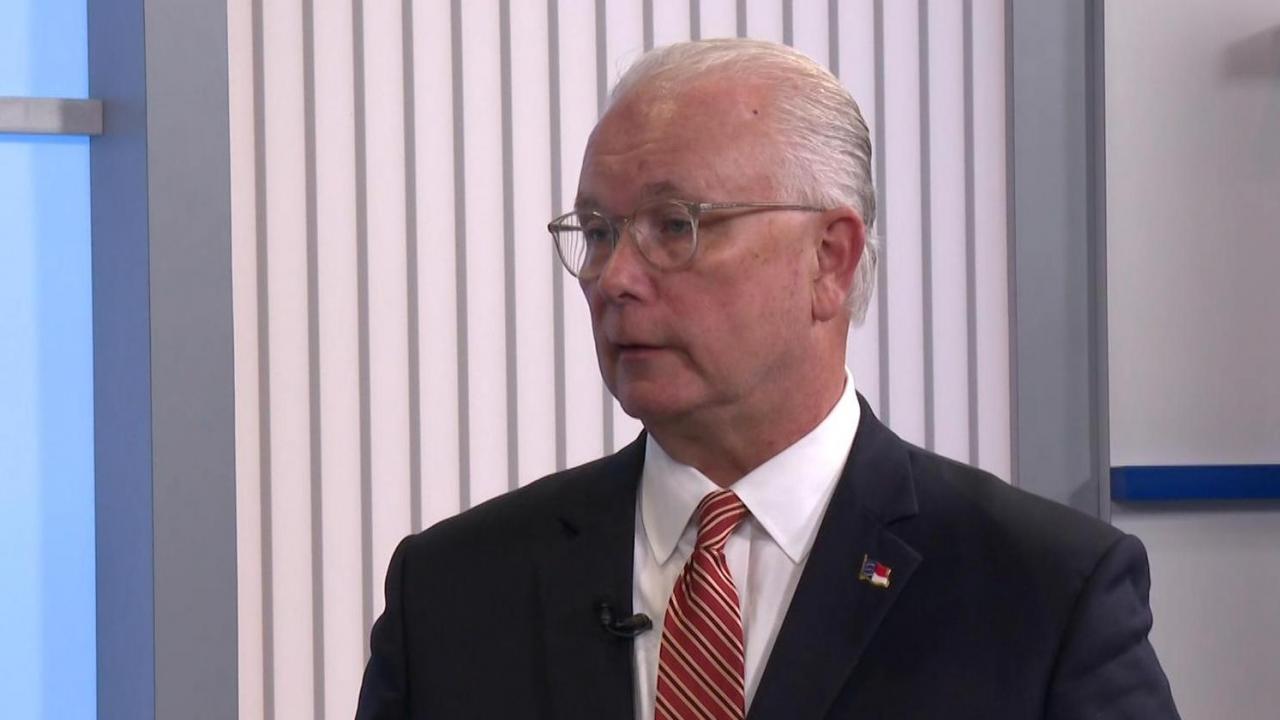
Expansion of Auditor’s Powers in North Carolina
North Carolina’s state auditor has gained significant new authority to investigate individuals, private businesses, and nonprofit organizations following a legislative decision to override the governor’s veto. This change was made possible by the passage of House Bill 549, which clarifies and expands the auditor’s existing powers.
Previously, the auditor was only allowed to investigate state and local government agencies, as well as entities that receive state funding. The newly passed law now enables the auditor to access databases, datasets, and digital records for various purposes, including audits, assessing government efficiency, risk assessment, fraud detection, audit planning, and evidence gathering. Additionally, the bill grants the auditor the right to seek court intervention if an individual or organization refuses to comply with requests for information.
Governor Josh Stein had initially vetoed the bill, expressing concerns about its potential impact on the state's economy. He argued that granting the auditor such broad investigative powers could deter businesses from relocating to North Carolina. Stein also warned that the legislation would remove the Office of State Auditor from the state’s cybersecurity efforts led by the Department of Information Technology, thereby increasing the risk of personal identifying information being compromised.
Despite these concerns, the state Senate voted to override Stein’s veto along party lines. In the House, where Republicans are just one vote short of a veto-proof majority, Democratic state Representative Shelly Willingham of Edgecombe County cast the deciding vote to allow the bill to become law. However, Willingham did not provide an explanation for her decision during the debate, and her office did not immediately respond to requests for comment.
Republican lawmakers supported the bill, emphasizing the importance of transparency and accountability in government. They highlighted that the legislation had been thoroughly debated in previous sessions. After the votes, Boliek, the state auditor, praised the legislators for enacting the bill, stating that the independent nature of the office is essential for ensuring transparency across all levels of government. He added that the bill strengthens the auditor’s ability to create a more effective, efficient, and accountable government.
The DAVE Act and Its Implications
Separately, the legislature is working to pass the DAVE Act, a policy aimed at identifying state government jobs that could be eliminated. This initiative is similar to the work done by the Department of Government Efficiency (DOGE) in the federal government. Although the DAVE Act was introduced earlier this year, it has not yet become law. It was recently incorporated into a mini budget bill that funds some basic state functions.
The state Senate approved the DAVE Act with a vote of 47-2, and the House of Representatives is expected to pass it on Wednesday. If approved, the bill will go to Governor Stein for his signature. The legislation also includes $6 million to fund activities related to the DAVE Act, which has been a priority for Senate Leader Phil Berger. House Republicans agreed to include the DAVE Act in the mini budget as part of broader spending negotiations, according to Berger.
Berger emphasized the importance of funding efforts to evaluate state-level spending and programs, stating that the more money saved, the more resources can be allocated to other initiatives. Boliek’s office has expressed support for the DAVE Act, noting that it aligns with the auditor’s goal of evaluating government efficiencies across North Carolina.
Republican Efforts to Expand Auditor’s Authority
Since last year, when Boliek became the first Republican to win the auditor’s race since 2004, Republican legislators have repeatedly sought to expand the auditor’s powers. One notable move was granting Boliek’s office control over the state Board of Elections, a responsibility previously held by the governor for over a century.
Several GOP-backed efforts to transfer election oversight from former Governor Roy Cooper were either ruled unconstitutional in court or rejected by voters. Stein is currently challenging the latest law in court. During the debate on House Bill 549, state Senator Terence Everitt, a Democrat from Wake County, accused Republicans of expanding the auditor’s powers not for the sake of government efficiency, but to increase the GOP’s control over state government.
Everitt argued that the current auditor, who is affiliated with the same party that holds a supermajority in the legislature, is being given more power not to improve governance, but to create a system where one party governs without checks or balances.

Post a Comment for "Republicans Boost State Auditor's Authority with Democratic Support"
Post a Comment