Remembering Margaret Boden's Impact on AI Philosophy
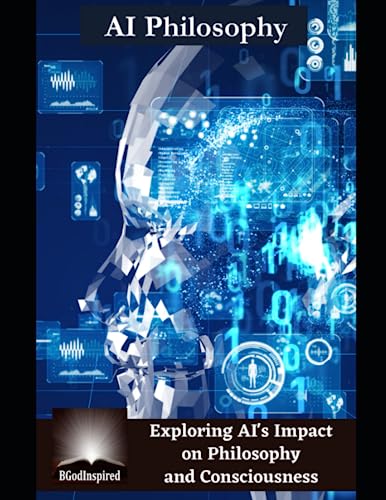
The Life and Legacy of Margaret Boden
Margaret Boden, a distinguished scholar and philosopher, has left an indelible mark on the fields of artificial intelligence (AI) and cognitive science. Her work not only expanded the boundaries of AI but also redefined how we understand creativity, ethics, and the role of machines in society. As her contributions continue to influence contemporary discourse, it is essential to reflect on her life, achievements, and the enduring impact of her ideas.
Early Life and Academic Journey
Born in 1936, Margaret Boden displayed a keen curiosity and passion for learning from an early age. Her academic journey began at Newnham College, Cambridge, where she initially studied medical sciences. However, her fascination with the human mind led her to transition into philosophy. This shift marked the beginning of her lifelong exploration of the intersection between technology, cognition, and creativity.
Boden’s time at the University of Oxford under the mentorship of renowned philosopher Gilbert Ryle further shaped her intellectual development. Her interdisciplinary approach to learning laid the foundation for her future endeavors, as she seamlessly integrated philosophy, psychology, and computer science into her work.
Pioneering Work in Artificial Intelligence
Margaret Boden was a trailblazer in exploring how AI could emulate human creativity. Her research was driven by the belief that computers could go beyond their traditional roles and engage in creative processes. This radical idea challenged conventional thinking and reshaped perceptions of what machines could achieve.
Her seminal work, The Creative Mind: Myths and Mechanisms, introduced the concept of computational creativity. Boden argued that computer programs, when equipped with the right frameworks, could mimic or even enhance human art and literature. These theories positioned her as a thought leader in cognitive science and AI, expanding the horizon of machine capabilities.
Contributions to Cognitive and Computer Science
Boden’s work extended beyond theoretical discussions. She was instrumental in investigating the parallels between human and machine intelligence, developing frameworks that demonstrated how AI could contribute creatively in areas traditionally dominated by human endeavor.
Her extensive research and publications remain foundational texts in AI philosophy. Through her interdisciplinary approach, she bridged the gap between cognitive psychology and artificial intelligence, offering new perspectives on the nature of intelligence and creativity.
As an educator and mentor, Boden held academic positions, notably at the University of Sussex, where she inspired future generations of scientists and philosophers. Her dedication to teaching and research left a lasting impact on the academic community.
The Influence of Boden’s Philosophy on Modern AI
As AI technologies have advanced, Boden’s ideas about creativity and machine learning have become increasingly relevant. Her work laid the groundwork for the development of AI-driven creative tools in digital art, music, and literature. The ethical considerations she raised remain central to contemporary discourse as AI becomes more integrated into everyday life.
Boden’s insights continue to influence discussions on AI’s role in society, emphasizing the importance of establishing ethical standards and safeguards. By advocating for AI’s potential to engage in artistic expression, she contributed to a broader acceptance of technology as a collaborative partner in creative processes.
Enduring Impact on AI Ethics and Creativity
Boden’s legacy extends to the field of AI ethics. Her work encourages ongoing dialogue between philosophers, scientists, and technologists, driving innovation while ensuring that technological advancements serve to enhance rather than undermine human creativity and ethical integrity.
Her ideas have spurred continued research into how AI can understand and replicate complex human emotions and cognition. This ongoing exploration underscores the relevance of her work in shaping the future of AI.
Honoring Boden’s Philosophy Today
The philosophical perspectives put forward by Margaret Boden have paved the way for modern thinkers navigating the challenges and opportunities presented by AI. Her legacy encourages interdisciplinary collaboration, an approach that is vital in comprehending the multifaceted nature of AI.
As we honor Boden’s contributions, it is crucial to continue her pursuit of understanding the ethical and creative dimensions of AI. Her vision remains as relevant and essential today as ever.
Continuing the Dialogue
Boden’s work continues to inspire ongoing dialogue between various disciplines. These discussions drive innovation while ensuring that technological advancements serve to enhance rather than undermine human creativity and ethical integrity.
Through her publications, teachings, and ideas, Margaret Boden inspired numerous individuals to explore the rich potential of AI. As the world transitions into an era where AI continues to transform industries beyond imagination, her foundational theories offer guidance and reflection on the advances of technology and the human spirit.
A Legacy That Inspires Future Generations
Margaret Boden has left an indelible mark on the world of AI, and her contributions will influence generations of researchers, philosophers, and technologists. Her visionary work has not only expanded the boundaries of artificial intelligence but also redefined how we think about creativity, ethics, and the potential roles of machines in society.
As we remember Margaret Boden, we celebrate her trailblazing spirit, her intellectual rigor, and her commitment to exploring new pathways in the vast domain of artificial intelligence. Her legacy is a reminder of the transformative power of ideas and the profound impact one individual can have on entire fields of study. In her own words, Boden captured the essence of curiosity and innovation, a guiding light for those who follow her footsteps in the quest to understand and harness the capabilities of both human and artificial intelligences.

Post a Comment for "Remembering Margaret Boden's Impact on AI Philosophy"
Post a Comment