Rats ravage California almond farms: 'Unprecedented crisis'
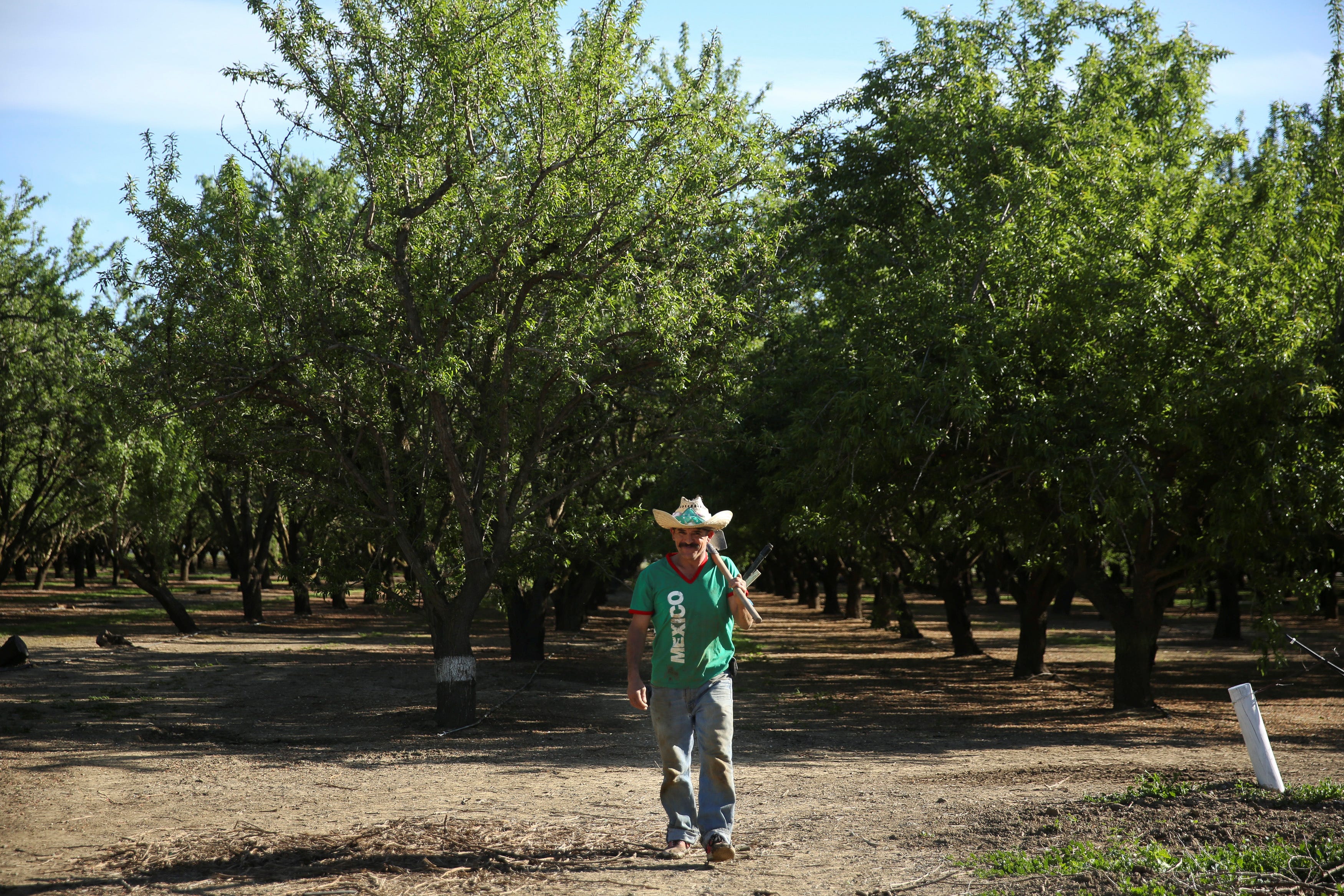
The Rat Problem in California's Almond Industry
San Francisco – For years, rodent expert Roger Baldwin, a professor of cooperative extension at the University of California, Davis, received fewer than one annual inquiry about rat issues. However, this has changed dramatically due to an unprecedented invasion of rats targeting California’s $4.7 billion almond industry.
The Almond Board of California recently reported that the infestation in parts of the San Joaquin Valley has affected over 100,000 acres and caused losses between $109 million and $311 million from damage to equipment and crops over the past year. This sudden invasion caught growers off guard, and they are now scrambling to find solutions, often turning to Baldwin for guidance.
“There are inquiries and questions about doing interviews on rat control and giving seminars on rat control, and can I write articles about this,” Baldwin said. “The problem went from very, very low to being the No. 1 issue I’ve dealt with in my 17 years with UC.”
Contributing Factors to the Rat Infestation
While there is no clear explanation for why rats have shifted their focus to nut trees, Baldwin and others point to three main factors:
- Abandoned Fields: Over half a million acres of farmland were left unplanted in the early 2020s due to a prolonged drought and water shortages. These fields also lacked pest-control efforts.
- Increased Vegetation Growth: The drought ended in the winter of 2022-23, leading to a three-year period of at least average rainfall. This resulted in more vegetation growth and an abundance of food sources for wildlife.
- Pesticide Restrictions: State restrictions on the use of pesticides have limited the means growers have for controlling rodents.
Rats, along with squirrels and deer mice, have been causing extensive damage. Farmers have spent hundreds or even thousands of dollars per acre on rat control, which Baldwin describes as "extreme" and "very substantial."
Damage to Irrigation Equipment and Crops
Much of the damage comes from rats chewing on irrigation equipment such as drip lines, sprinklers, and electrical wires that activate water pumps, sometimes causing fires. They also eat almonds and gnaw on tree bark, leaving them weakened.
According to a newsletter from the Almond Board of California, damage to irrigation systems and infrastructure is often greater than direct crop loss. One grower faced a $20,000 replacement cost for a damaged drip-irrigation system, while another experienced a 50% crop loss despite exterminating 50-100 rats per day.
The rats have expanded their reach by traveling alongside waterways and burrowing under nut trees instead of nesting in them. This makes it harder to track and contain the rodents.
Strategies for Controlling the Infestation
Roger Isom, president and CEO of the Western Tree Nut Association, noted that the rats spend the day in abandoned fields or vineyards before moving to nut orchards at night. He described seeing remnants of their feasts at the base of trees, where they would leave empty shells.
Baldwin has been brought in to conduct seminars on comprehensive pest-management strategies, and the state has provided training for farmers to earn certifications needed for fumigation in burrows. Other methods like bait stations, snap traps, and owl boxes are also being used, though farmers say these tactics are expensive and not entirely effective for a plague of this magnitude.
Owl boxes have shown promise, but it's too early to determine how much damage can be mitigated. Isom mentioned that this could become the second-largest almond harvest on record.
“We’ve never seen anything like this,” Isom said. “I’ve had growers who have lost more than half their yield. We’re not going to know until this year’s crop is in whether it was just weather-related or due to rat damage. It has certainly affected orchards. Hopefully, we can get ahead of this thing and prevent it from becoming a big, big issue.”

Post a Comment for "Rats ravage California almond farms: 'Unprecedented crisis'"
Post a Comment