Quick and Affordable Caviar Substitute
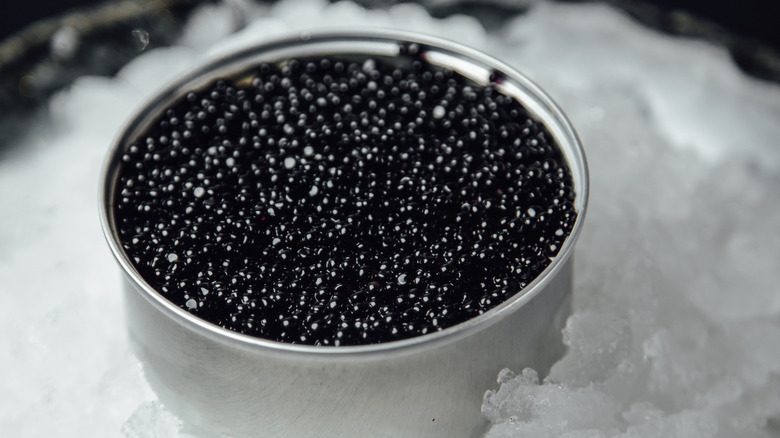
The Rise of Tobiko: A Budget-Friendly Alternative to Caviar
In an ideal world, we might all be sipping chilled champagne while enjoying caviar-topped toast points on a luxury yacht. However, reality often falls short of such fantasies, especially when it comes to indulging in high-end delicacies like caviar. Fortunately, there are affordable alternatives that can elevate your meals without breaking the bank. One such option is tobiko, a type of fish roe that offers a unique blend of flavor and texture.
Tobiko, the Japanese term for flying fish roe, is commonly found in sushi and sashimi dishes. If you've ever noticed those bright, shiny orange pearls on your favorite sushi roll, you've likely encountered tobiko. This ingredient is not only more budget-friendly than caviar but also has a subtle briny flavor with a hint of sweetness. Plus, the characteristic crunch adds a delightful textural element to any dish.
What Is Tobiko?
Tobiko is the unfertilized eggs of various species of flying fish, which are known for their ability to glide through the air after leaping from the water. These fish inhabit tropical and temperate marine environments across the Atlantic, Pacific, and Indian Oceans. While tobiko may get the spotlight, flying fish itself is considered a delicacy in some regions.
Tobiko eggs resemble masago, another fish roe used in sushi, but they differ in size and source. Masago comes from capelin fish, whereas tobiko is derived from flying fish. Tobiko typically has a dark reddish-orange color, though it can be dyed or flavored to create vibrant hues and unique tastes.
How Is Tobiko Made?
The process of harvesting tobiko involves several methods. Some fishermen take advantage of the natural behavior of flying fish, which lay eggs on floating seaweed. Others may harvest the roe directly from the fish. Once collected, the eggs undergo cleaning to remove impurities and are then salt-cured to extend their shelf life. This curing process enhances the briny flavor and makes the eggs more durable for transport.
After proper preparation, tobiko is packaged in airtight containers and shipped to markets worldwide. This method ensures that the eggs remain fresh and retain their quality during transit.
What Does Tobiko Taste Like?
Tobiko is small, with each egg measuring less than 1 millimeter in size. Due to its size, the taste isn't overwhelming when consumed individually. That's why it's often used as a garnish on sushi rolls, salads, crackers, or seafood plates. Most people describe the taste as salty, with a subtle sweetness and a hint of smokiness reminiscent of smoked sea salt.
Tobiko is a delicate ingredient that complements other flavors rather than overpowering them. Its versatility allows for creative uses, such as infusing it with wasabi for an extra kick of heat.
Tobiko vs. Caviar
While tobiko is a great alternative, it’s important to understand that it isn’t a direct substitute for caviar. Caviar comes from sturgeon, which can grow up to 14 feet long and take up to 15 years to mature. In contrast, flying fish live about five years, making their eggs more accessible and less costly.
Caviar is known for its rich, buttery flavor and smooth texture, while tobiko offers a distinct briny and slightly sweet profile. The cost difference is significant, with caviar often reaching prices over $100,000 per ounce, while tobiko is much more affordable.
How to Use Tobiko
Tobiko is most commonly associated with sushi, but its uses extend beyond traditional Japanese cuisine. It can be incorporated into pasta dishes, adding a pop of color and texture. For example, a simple 2-ingredient pasta recipe can be enhanced by adding tobiko, along with cream cheese, crab, shrimp, soy sauce, and seaweed.
Tobiko can also be used as a topping for charcuterie boards, providing a luxurious touch without the high price tag.
Where to Buy Tobiko
Finding tobiko is relatively easy, especially in Asian grocery stores. Online marketplaces also offer a variety of options. When purchasing, it’s essential to choose a reputable seller to ensure quality and safety. Reviews can help determine the best brand and type of tobiko for your needs.
Types of Tobiko
There are six main types of tobiko, each with its own unique characteristics. Plain tobiko is the most common, but variations include wasabi-flavored, chili-spiced, beetroot-infused, yuzu-seasoned, and squid ink-tinted versions. Each type offers a different flavor and visual appeal, allowing for creative culinary experimentation.
Nutritional Information About Tobiko
Tobiko contains vitamins A, B12, iodine, and vitamin D, along with small amounts of omega-3 fatty acids. While it offers health benefits, it’s not considered a health food in the same way as salmon due to its limited quantity in typical consumption. As a seafood product, it should be avoided by those with fish allergies.
How to Store Tobiko
To maintain freshness, tobiko should be refrigerated at all times. Once opened, it should be consumed within 3-4 days. Freezing can extend its shelf life up to six months, though it may affect the texture. Proper storage in airtight containers helps prevent freezer burn and maintains quality.
You’ll know tobiko has gone bad if it develops a strong fishy odor or becomes mushy. Always check for these signs before consuming.

Post a Comment for "Quick and Affordable Caviar Substitute"
Post a Comment