Psychologist Warns: Secret Meanings in Labubu Collectibles
The Rise of Labubu Toys: A New Cultural Phenomenon
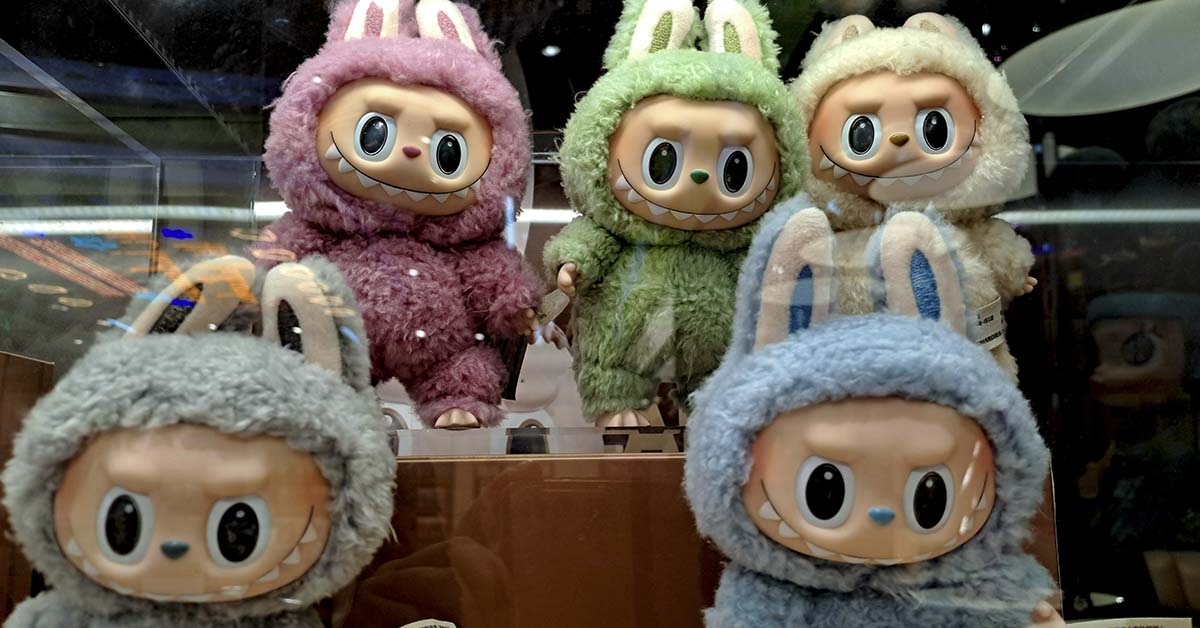
Labubu toys have become a cultural sensation, capturing the imagination of people around the world with their unique blend of cuteness and eeriness. These whimsical figures, originally from the Pop Mart universe, are characterized by their scruffy fur, large eyes, and mischievous grins. They started as blind box vinyl figures, designed to appeal to toy enthusiasts and collectors. However, their popularity has grown beyond just the toy market, attracting a broader audience, especially adults.
Psychologists are taking notice of the growing fascination with these collectibles, recognizing that they may hold deeper significance than their playful appearance suggests. According to experts, these seemingly simple toys reflect the emotional state of an entire generation, offering more than just entertainment.
Understanding the Psychological Appeal
Dr. Tracy King, a chartered clinical psychologist, recently shared her insights on the Labubu trend, highlighting its psychological impact. She explained that the surge in interest among Gen Z is not just a passing fad but a response to a need for comfort, identity, and stability in uncertain times. “On the surface, they're fun and whimsical,” she said. “But psychologically, they're deeply symbolic. These objects offer small, accessible moments of comfort, control, and identity in an unpredictable world.”
For many young people today, traditional milestones such as homeownership, job security, and career advancement are becoming increasingly out of reach. Economic instability, housing crises, and global challenges like climate change and political unrest contribute to a sense of uncertainty. In this context, collecting Labubu toys becomes a way to reclaim agency and create small pockets of joy and self-expression.
Navigating Modern Adulthood
Dr. King contrasts the experiences of previous generations with those of Gen Z, noting that the traditional "career ladder" is no longer a reliable path. Instead, many young adults find themselves in a complex environment where goals are unclear, and the rules keep changing. “Gen Z were raised in a digital world where identity is curated, not assumed,” she said. “They've watched global crises unravel with pandemics, recessions, and the climate emergency. So the big life goals that guided previous generations often feel out of reach.”
In such a world, it makes sense that people turn to small, manageable pleasures. Collectibles like Labubu offer a form of emotional grounding. They are tangible, personal, and affordable, representing an intentional investment in the present rather than a distant future that feels uncertain.
The Influence of Social Media and Nostalgia
Beyond their emotional symbolism, Labubu figures also serve as a form of social communication. On platforms like TikTok and Instagram, where aesthetics play a significant role, these quirky figurines help users express personality, emotion, and belonging. “In a social media landscape where aesthetics are a form of communication, trinkets become part of how people express emotion, personality, and belonging,” Dr. King explained.
Nostalgia is another powerful force behind the Labubu craze. For many adults, especially those dealing with unresolved childhood trauma or burnout, these soft and surreal toys act as a form of inner child work. They bring a sense of care and security that may have been absent in earlier years. “These soft, playful objects evoke feelings of safety, care, and nostalgia, things that might've been missing or cut short in early life,” Dr. King added. “This is inner child work in action.”
Trinket Culture and Its Broader Significance
The rise of collectible culture, or what some call trinket culture, is not limited to Labubu alone. It is part of a larger movement where people find meaning, comfort, and control through objects that reflect their inner lives. Whether it’s squishmallows, blind box toys, or handmade charms, these items are much more than clutter. They serve as coping mechanisms, self-soothing tools, and expressions of identity.
“As long as society remains fragmented and demanding, people will continue to seek soft, small, symbolic ways to feel better,” said Dr. King. “Trinket culture is a response to burnout and disconnection. It's not a shallow trend. It's a psychological response to the demands of modern life.”
Beyond Just Toys
What may appear to be just another toy on the shelf is, in fact, a reflection of modern society's emotional needs. Labubu collectibles tap into a complex mix of nostalgia, digital identity, emotional burnout, and the search for meaning. As more people embrace these strange little creatures, they are also embracing the deeper, symbolic comfort they provide.
So the next time you see someone proudly displaying their Labubu collection, remember, it might not just be about cute designs or social media clout. It could be about reclaiming joy in a world that often feels devoid of it.

Post a Comment for "Psychologist Warns: Secret Meanings in Labubu Collectibles"
Post a Comment