Project 2025 Seeks to Overhaul University Curriculum on LGBTQ+ Inclusivity
The Oversight Project Targets University Course Materials
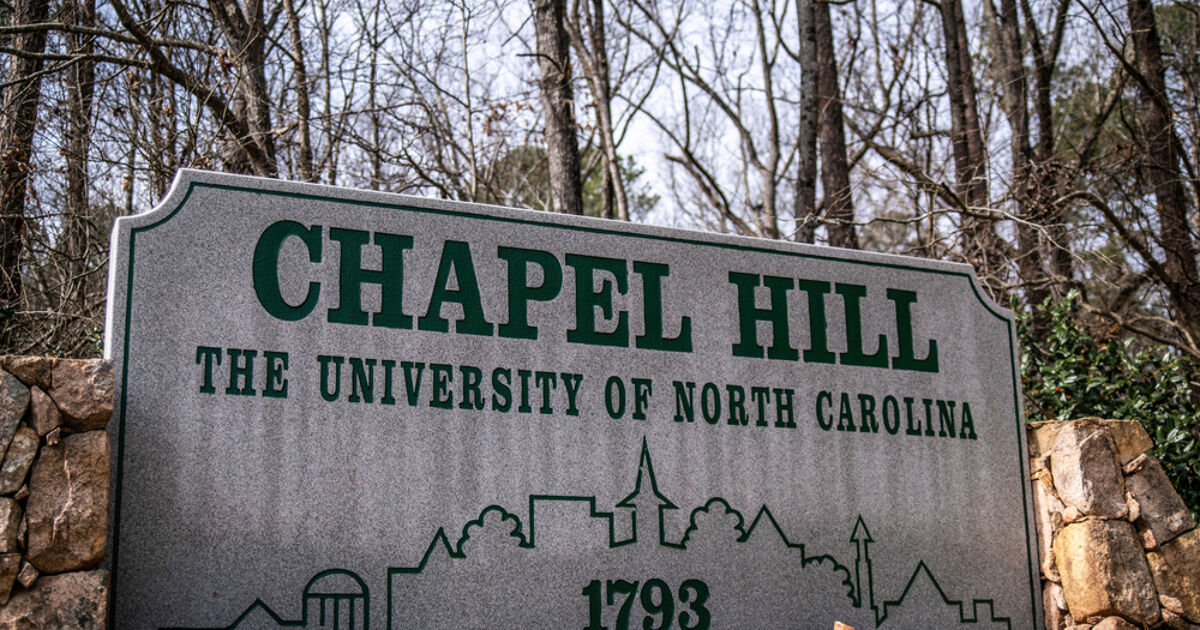
The Oversight Project, a group linked to the Heritage Foundation, has initiated a sweeping request for course materials from the University of North Carolina at Chapel Hill (UNC Chapel Hill). This move is part of a broader effort to scrutinize academic content that may conflict with President Trump’s policies against diversity, equity, and inclusion (DEI) initiatives. The project is asking for syllabi and class materials from all 70 courses offered by the university, specifically looking for content related to LGBTQ+ issues and other social justice topics.
This request comes amid ongoing efforts by the Trump administration to challenge DEI programs on college campuses. Recently, Education Secretary Linda McMahon acknowledged that the administration's actions against schools over these issues represent a significant win for conservatives. She described this as a victory against "elite campuses" and their "far left-leaning professors," rather than a success in the administration's stated mission to combat discrimination in higher education.
Edwin Feulner, a key figure in the Heritage Foundation and author of Project 2025, has been associated with policies that have negatively impacted LGBTQ+ individuals and working-class Americans. The Oversight Project, led by President Mike Howell, submitted the request to UNC Chapel Hill on July 2. The request specifically asked for data on class materials using terms like “gender identity,” “queer,” “sexuality,” and others related to social justice and DEI efforts.
Howell argued that the disclosure of these records would help the public understand university operations and student programming, especially in light of concerns about institutional compliance with anti-DEI executive orders. He claimed that such records would reveal inconsistencies between internal practices and public statements made by university officials.
If the Oversight Project finds any DEI-related keywords in the university’s course materials, it could report the institution to the Department of Education’s (DOE) Office for Civil Rights (OCR). The OCR has targeted schools, threatening to cut federal funding unless they eliminate support for DEI initiatives and trans-inclusive policies. While the OCR claims these policies violate anti-discrimination laws, critics argue that the office is reinterpreting civil rights law to support Trump's agenda.
UNC-Chapel Hill has not yet responded to the request, but it has stated that course materials are the intellectual property of the professors who created them. As a result, professors are not required to submit their materials in response to information requests.
One professor, Chris Petsko, has refused to hand over his course materials for a business management class that discusses workplace practices related to stereotyping and prejudice. He views the project's ideology as illegitimate and aligned with the Trump administration. Zach Greenberg, a First Amendment attorney, expressed concerns that such broad requests for academic records chill free speech and impose a heavy burden on faculty members.
The DOE’s OCR has already targeted several colleges and universities in its campaign against DEI initiatives. For example, the agency extorted $200 million from Columbia University to restore most of the funding it had cut over allegations of violating anti-discrimination laws. When commenting on the settlement, Linda McMahon admitted that the action was a major victory for conservatives who wanted to change the culture of elite campuses.
Recently, the OCR announced an investigation into Duke University in North Carolina for allegedly considering ethnic and racial factors in hiring, admissions, and scholarships. Last year, the Oversight Project issued thousands of data requests to search through communications of federal government workers mentioning sexual orientation, gender identity, and expression. These requests were likely aimed at identifying civil servants who oppose the foundation’s and the president’s anti-DEI views, according to ProPublica.
As these developments unfold, the implications for academic freedom and the future of DEI initiatives on college campuses remain uncertain. The ongoing scrutiny of course materials and faculty communications highlights the growing tension between educational institutions and political agendas.

Post a Comment for "Project 2025 Seeks to Overhaul University Curriculum on LGBTQ+ Inclusivity"
Post a Comment