Pritzker Criticizes SNAP Rules as Republican Defends Checks
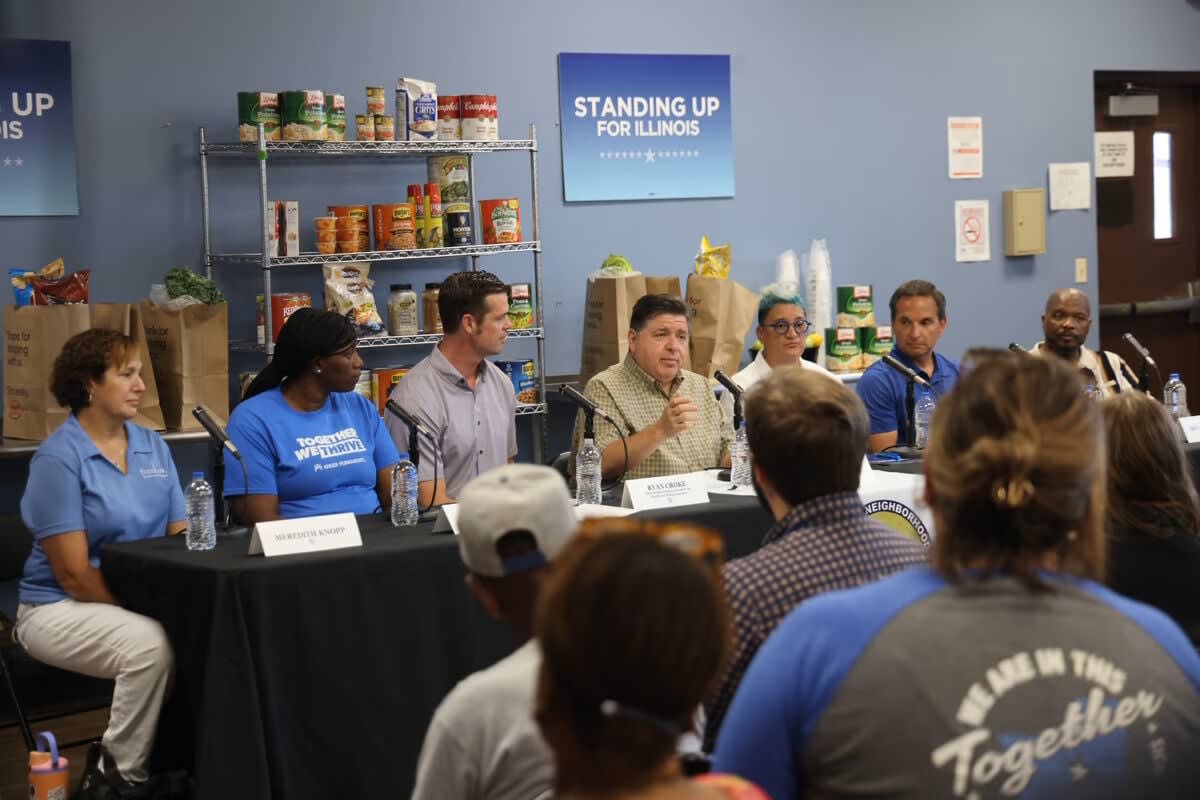
Governor Pritzker Criticizes Federal Changes to SNAP Benefits
Illinois Governor J.B. Pritzker has expressed strong concerns over recent changes to the Supplemental Nutrition Assistance Program (SNAP), arguing that these modifications will disproportionately affect low-income individuals and families. During a visit to East St. Louis, an area where one in five residents relies on SNAP benefits, Pritzker criticized the federal policies as being too burdensome for those who need assistance the most.
Pritzker pointed to the "One Big Beautiful Bill," which was passed by Congress and signed into law by former President Donald Trump on July 4. This legislation extends the Tax Cuts and Jobs Act and includes provisions that require able-bodied adults without dependents to meet work-related requirements to receive SNAP benefits. It also imposes stricter accountability measures on states with high error rates in their SNAP payments and increases the share of administrative costs that states must cover by 2027.
“Let’s assume they’re not cruel, you know what they’re trying to do? They're trying to take money away from this program and truly, not trying, they just did it, and give huge tax cuts to the wealthiest people of this country,” Pritzker said during his remarks. He emphasized that these changes are not only harmful to vulnerable populations but also undermine the economic impact of SNAP, which contributes more than $7 billion annually to Illinois’ economy.
According to a statement from the governor’s office, over 1.9 million Illinois residents use SNAP benefits, and approximately 360,000 of them could be at risk due to the new eligibility requirements. The administration has warned that the changes could cost state taxpayers up to $800 million per year, with Illinois potentially facing additional costs of $700 million for funding a portion of SNAP benefits and $100 million for implementation and administration.
Republican Response and Accountability Debate
In response to Pritzker’s criticism, Republican state Senator Andrew Chesney of Freeport defended the policy changes, calling them necessary for ensuring accountability within the SNAP program. “If you want grandma and grandpa and Aunt Ethel to pay for your food stamps and you have the ability as a 25-year-old to work, get off your butt and work,” Chesney told The Center Square. He argued that the requirements are not controversial and are essential for holding recipients accountable.
Chesney suggested potential ways to offset the increased costs, including reducing funding for illegal immigrants and addressing waste, fraud, and abuse within the system. He also pointed out that Illinois spends hundreds of millions of dollars each year on health care and other subsidies for non-citizens.
The U.S. Department of Agriculture reported that Illinois’ SNAP payment error rate for the previous fiscal year was 11.56 percent, with an overpayment rate of 10.64 percent—higher than the national average of 9.26 percent. Chesney argued that the federal government is correctly urging Illinois to improve its program and hold residents accountable.
Legal Challenges and Ongoing Controversy
Meanwhile, Illinois Attorney General Kwame Raoul’s office announced that the state is joining a coalition of 22 other states and attorneys general in challenging the U.S. Department of Agriculture’s demand that states provide personal information about SNAP recipients. This move highlights the ongoing legal and political tensions surrounding the program’s administration and data privacy concerns.
As the debate continues, both sides remain firm in their positions: Pritzker and his allies argue that the changes will harm vulnerable populations and increase state costs, while Republicans emphasize the need for accountability and fiscal responsibility. The outcome of these discussions could have significant implications for how SNAP operates in Illinois and across the nation.

Post a Comment for "Pritzker Criticizes SNAP Rules as Republican Defends Checks"
Post a Comment