Pritzker Condemns SNAP Cuts in East St. Louis, Pushes Health Reforms
Governor Pritzker Condemns Proposed Cuts to Key Assistance Programs
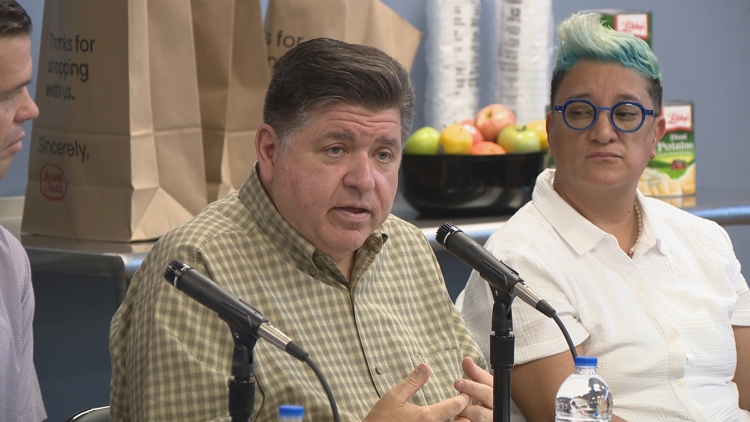
Governor J.B. Pritzker made a strong statement on Tuesday in East St. Louis, criticizing Republican-backed reductions to critical assistance programs such as Medicaid and the Supplemental Nutrition Assistance Program (SNAP). He specifically targeted the proposed changes in President Trump’s so-called “One Big Beautiful Bill Act,” arguing that these cuts would negatively affect some of Illinois’ most vulnerable residents.
Pritzker highlighted the importance of SNAP, noting that 1.9 million people across the state rely on it for food assistance. In Saint Clair County alone, nearly 47,000 low-income individuals receive SNAP benefits, which he described as a vital tool for alleviating poverty.
He criticized the Trump administration and Republicans, accusing them of taking resources from those who need them while offering large tax breaks to the wealthy. Pritzker also referred to tariffs as a “tax on us” and warned that the proposed cuts to SNAP and Medicaid could make life so difficult for struggling families that they might simply give up.
The governor emphasized the Democratic Party's commitment to supporting the most vulnerable members of society, contrasting it with what he called the other party’s focus on wealthier individuals.
Community Leaders and Residents Share Concerns
The event was hosted by Rev. Gary Gaston at the Lessie Bates Davis Neighborhood House. He introduced Pritzker to the local audience, expressing his belief that the governor would be an effective president. Later, he encouraged Pritzker to consider running for president in the 2028 primary contest, citing his passion for helping people.
The panel included advocates, food bank leaders, retail executives, and local residents. Mauriel White, a single mother expecting another child, shared her experience of rationing SNAP benefits each month. She explained how she has to stretch her budget to cover basic needs, often having to buy items that her toddler may not like but that are necessary due to financial constraints.
Harry Singh, owner of the Healthy Choice Market Place convenience store, expressed concerns about the potential impact of any cuts or restrictions on SNAP benefits. He noted that about 40% of his revenue comes from SNAP purchases, and any changes to the program could significantly affect his business. Singh emphasized that many residents in East St. Louis rely heavily on Electronic Benefit Transfer (EBT) cards to purchase essential goods.
Policy Debate on SNAP Usage
During the Q&A session, political editor Mark Maxwell raised a question about whether government policy should use SNAP benefits to encourage healthier eating habits. Pritzker responded by emphasizing the need for adequate funding and support for SNAP to ensure that people can afford healthy food options. He suggested that before focusing on restricting certain foods, the priority should be ensuring that people have access to nutritious meals.
Rob Karr, president and CEO of the Illinois Retail Merchants Association, challenged the assumption that low-income families frequently use SNAP benefits for junk food. He pointed out that the top items purchased under SNAP include bananas, fresh fruits, vegetables, and dried beans. Karr argued that the narrative around SNAP being used for unhealthy choices is misleading.
Current Illinois policy prohibits the use of SNAP benefits for hot foods, food intended to be heated in the store, lunch counter items, vitamins, medicines, pet foods, nonfood items (except seeds and plants), alcoholic beverages, tobacco, menstrual products, or diapers. Analysts have pointed out that defining restrictions on specific food items can be complex, raising questions about where to draw the line between healthy and unhealthy choices.
Addressing Food Deserts and Government Role
Maxwell also asked Pritzker about the concept of government-run grocery stores, referencing the Mamdani-style approach recently criticized by the New York Times. Pritzker clarified that the Illinois Grocery Initiative focuses on supporting existing grocers, food co-ops, and community-owned markets rather than direct government ownership. He emphasized that the goal is to help create businesses that address food deserts, not to run the stores themselves.
When asked if Democrats should prioritize poverty and hunger in future campaigns, Pritzker defended the importance of compassion and support for working families. He argued that the Democratic Party’s focus on helping the vulnerable contrasts with the other party’s emphasis on tax cuts for the wealthy.
The White House responded to Pritzker’s comments, stating that President Trump is strengthening SNAP to ensure the program remains sustainable for future generations. They claimed the proposed bill restores work requirements, prioritizes American citizens, and implements cost-sharing measures to reduce waste, fraud, and abuse.

Post a Comment for "Pritzker Condemns SNAP Cuts in East St. Louis, Pushes Health Reforms"
Post a Comment