Pop Culture and Politics Collide in the Trump Era: The Paramount-Skydance Merger Explained
The Intersection of Pop Culture and Politics
In today’s CEO Daily, we explore how the merging of major entertainment companies reflects a broader shift in the relationship between pop culture and politics. This dynamic is particularly evident in the recent merger between Paramount and Skydance Media, which has sparked discussions about the influence of media on political narratives.
Zelenskyy's Visit to Washington D.C.
One of the most significant stories this week is the visit of Ukrainian President Volodymyr Zelenskyy to Washington D.C. His trip highlights the ongoing support for Ukraine from the United States and underscores the importance of international alliances in current geopolitical tensions.
Market Sentiment and Investor Behavior
The financial markets have shown mixed sentiment as investors await potential deals and economic indicators. This uncertainty reflects the cautious approach many are taking in the face of global economic challenges.
The Evolution of Pop Culture
Pop culture has always been a mirror reflecting societal trends and political climates. From Martha Stewart's influence during the dot-com boom to the rise of WWE as a global entertainment force, these industries have evolved significantly. Today’s "trad wife" phenomenon and the manosphere, populated by figures like Joe Rogan, echo similar movements from the past.
The Political Influence of Entertainment
The intertwining of politics and pop culture is more pronounced than ever. Former President Donald Trump, who had a background in reality TV and media, exemplifies this connection. His involvement in selecting honorees for the Kennedy Center and his plans for an “anti-woke” ceremony highlight how entertainment figures can shape political narratives.
David Ellison and the New Era at Paramount
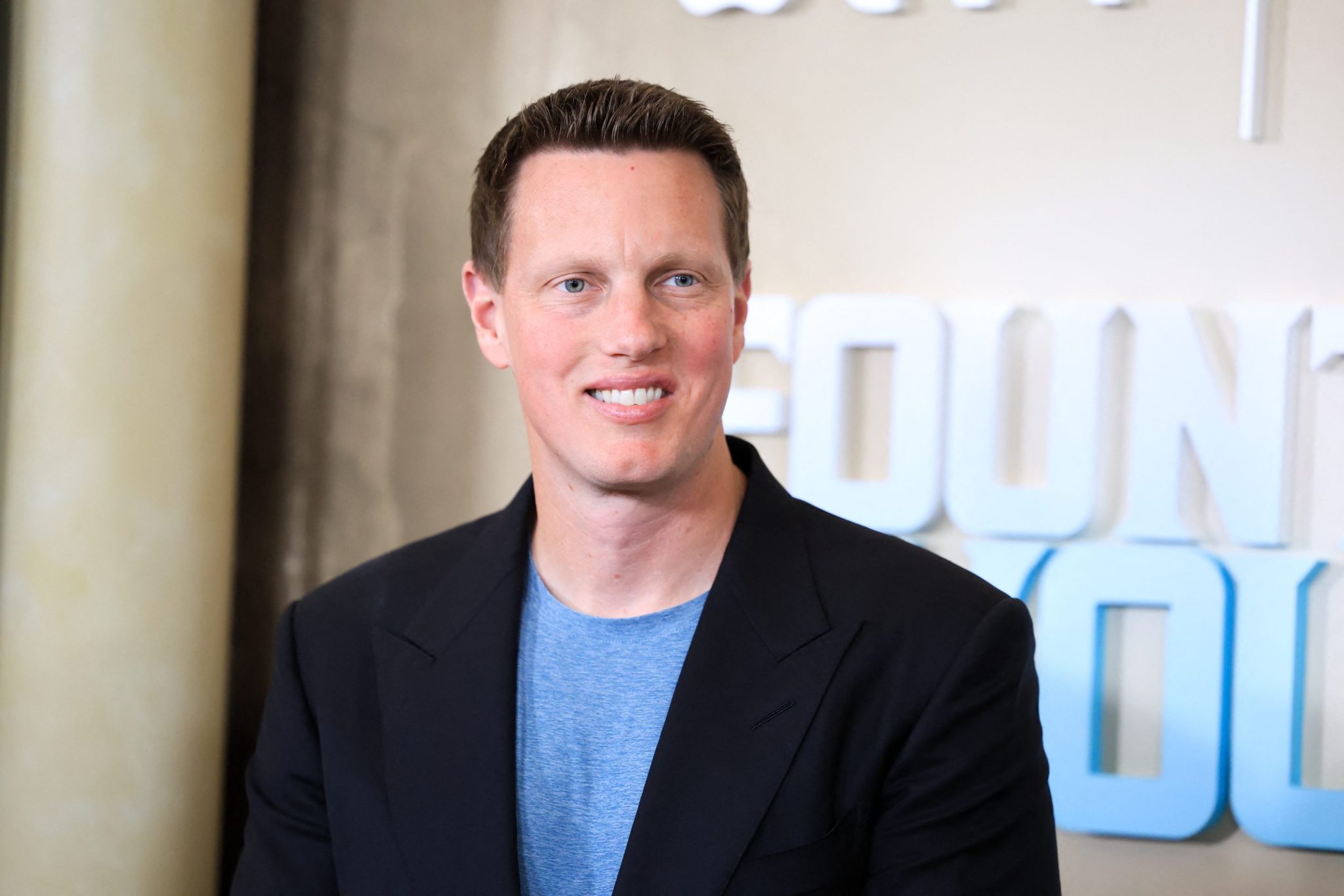
David Ellison, the new CEO of Paramount following the merger with Skydance Media, is navigating a complex landscape. To secure the deal, Skydance agreed to address bias and restore fact-based reporting, as noted by FCC Commissioner Brendan Carr. They also appointed an ombudsman to handle concerns about bias. Additionally, Paramount reached a $16 million settlement with Trump over a “60 Minutes” interview with Kamala Harris.
Strategic Business Moves
Ellison's first major move as CEO was a $7.7 billion agreement to air Ultimate Fighting Championship events over the next seven years. This decision aligns with the company's strategy to appeal to a broad audience. UFC, known for its Trump-friendly image, is a global sports powerhouse. UFC CEO Dana White emphasized that the deal was “all-or-nothing,” highlighting the significance of this partnership.
Partnerships with Influential Creators
Ellison has also formed a multi-year partnership with Taylor Sheridan, the creative force behind “Yellowstone” and its spinoffs. These shows resonate with conservative audiences, indicating a strategic effort to diversify Paramount's content.
Navigating Polarizing Content
To grow beyond its previous revenue of over $30 billion, Paramount must cater to a wide range of demographics. The cancellation of “The Late Show with Stephen Colbert” drew accusations of pro-Trump bias, but the recent $1.5 billion streaming deal with “South Park” creators Trey Parker and Matt Stone demonstrates Ellison's understanding of the power of polarizing entertainment.
Conclusion
As the lines between pop culture and politics continue to blur, the decisions made by industry leaders like David Ellison will play a crucial role in shaping the future of entertainment. The merger between Paramount and Skydance Media is not just a business move but a reflection of the evolving relationship between media and political influence.

Post a Comment for "Pop Culture and Politics Collide in the Trump Era: The Paramount-Skydance Merger Explained"
Post a Comment