Pittsburgh Leaders Address Severe Weather Emergency Preparedness
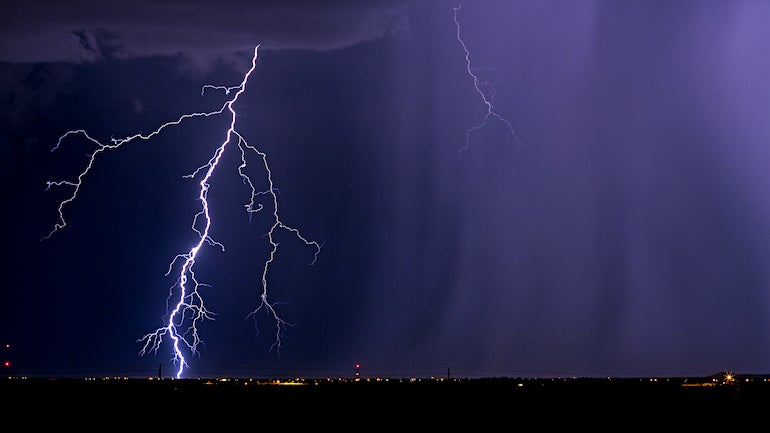
Lessons from the Storm: Pittsburgh Officials Reflect on Emergency Response
The severe windstorm that struck western Pennsylvania in April left a lasting impact on Pittsburgh, prompting officials and emergency responders to reflect on their experiences and plan for future challenges. A recent hearing focused on emergency response and readiness highlighted the difficulties faced during the storm and outlined steps for improvement.
Emergency officials described the storm as one of the most intense they had encountered, causing widespread power outages that lasted for days. Alan Hausman, from Pittsburgh's Office of Emergency Management and Homeland Security, noted that the storm, which lasted only about 10 minutes, caused extensive damage. This event has sparked discussions on how to better prepare for similar weather events in the future.
City Councilwoman Erika Strassburger, who organized the hearing, emphasized the importance of understanding the city's preparation, response, and the lessons learned. She stated that the meeting provided an opportunity to identify areas for improvement and ensure a more resilient system moving forward.
One of the key challenges identified was the safety concerns related to downed power lines. Adam Ameel, Pittsburgh's Deputy Emergency Management coordinator, explained that the Department of Public Works could not begin clearing trees until they were certain that the power lines were de-energized. Coordination with Duquesne Light was essential to prevent re-energization during the work.
Phone systems also faced significant strain during the storm. Allegheny County Emergency Services Chief Matthew Brown clarified that while the 911 operations remained functional, the overwhelming volume of calls—over 6,700 in an hour—overwhelmed the state's system. He noted that at one point, over 1,000 calls were received in a single minute.
Another unexpected challenge was the high number of people relying on oxygen generators. Brown mentioned that many individuals were unprepared for the loss of power, leading to issues with their devices. The emergency team quickly mobilized resources from the mass casualty unit to provide immediate assistance.
Officials also addressed the impact of the storm on city facilities. Pittsburgh Bureau of Fire Chief Darryl Jones highlighted the need to harden city buildings, such as fire departments, EMS stations, and police stations, to prevent prolonged power outages. Plans are being developed to deploy generators or install built-in ones to ensure continued operations during emergencies.
After-action reviews have been conducted to assess what worked well and what needs improvement. The goal is to build a stronger, more resilient city that protects all residents, especially those who are most vulnerable.
Strassburger mentioned that the final part of the meeting focused on future planning and next steps. She also indicated that Chief Jones would present a post-event report to the council, aiming to clarify internal communication during emergencies and explore emergency preparedness training for council members and staff.
Additionally, Councilwoman Barb Warwick has called for a separate hearing to address Duquesne Light's response to the storm, which will be held at a later date. This ongoing effort underscores the commitment of Pittsburgh officials to learn from past events and enhance the city's ability to respond to future challenges.

Post a Comment for "Pittsburgh Leaders Address Severe Weather Emergency Preparedness"
Post a Comment